
How to Love Yourself and Heal, Even If You Don't Have Time to Breathe
Where Chaos Meets the Quiet Cry for Self


The Weight of a Silent Heart
Imagine you're scrolling at 2 a.m., the screen's cold glow numbing your fingertips, deadlines or family demands piling like sandbags, and a faint whisper rises: "What about me?" This isn't just exhaustion - it's the silent scream of a life too frantic to pause, a cry that echoes for a 20-something juggling work and rent, a 40-year-old balancing career and parenting, or a retiree lost in the quiet after decades of hustle. This is the weight of a silent heart, where self-love feels like a distant mirage in a desert of obligations, a mirage that flickers as you swipe through a world of curated perfection.
The barriers run deep, etched into the psyche by a society that demands more. Self-doubt creeps in, cloaked as ambition or duty, whispering you're not enough unless you outpace others or meet every expectation. Shame festers when you can't "keep it together," a pressure amplified by social media's polished facades - studies from the American Psychological Association (2021) link excessive screen time to declining self-esteem across all adult age groups. For those secretly searching "how to feel okay again" - whether a young professional, a middle-aged caregiver, or a late-career worker - the psychological fog of modern chaos - ceaseless notifications, 24/7 availability - erodes the space for self-compassion.
Emotional neglect, often self-inflicted, takes root here, a quiet abandonment of your needs amid life's storm. Research shows chronic stress shrinks the hippocampus, the brain's memory and emotion center, making it harder to prioritize yourself or recall moments of peace (McEwen, 2007). Picture a day where you rush from meeting to errand to bedtime story, only to collapse wondering who you've left behind - you.
This collective ache is your call to begin.
Burnout's Hidden Embrace
Burnout isn't just a badge of honor; it's a sly companion, born from life's relentless pace and the neglect of your inner world. The dopamine hit from emails, social media likes, or crossed-off to-dos keeps you tethered, a cycle that numbs young adults starting out, midlife multitaskers, and seasoned professionals alike. The World Health Organization (2022) classifies burnout as a syndrome tied to chronic stress, yet its roots stretch across life stages - into a culture that glorifies overwork, whether you're clocking overtime, managing a household, or chasing a passion project.
Your prefrontal cortex, the brain's command center for decision-making, falters under this pressure, short-circuiting your ability to choose self-love over survival (Arnsten, 2009). Imagine a morning where a young adult skips breakfast for a side gig, a parent forgoes coffee to mediate a tantrum, or a retiree pushes through pain to stay active - burnout's quiet takeover.
It hugs you close, an old friend who's overstayed, its presence a gentle warning that you've given too much without refilling your well. Recognize it not with blame but with a nod - its grip signals a need to pause, to reclaim the space surrendered to life's demands. This intersection of chaos and neglect is where healing begins, a threshold you can cross at any age.
Tiny Sparks in a Raging Storm
Healing doesn't demand hours you can't spare - it thrives in tiny, sustainable sparks that weave self-love into the fabric of your chaos. Try a "breath hug" - inhale deeply for four seconds, wrap your arms around yourself as if holding a fragile hope, exhale for six. It's a 30-second rebellion against a world that demands your every minute, a moment to declare, "You matter."
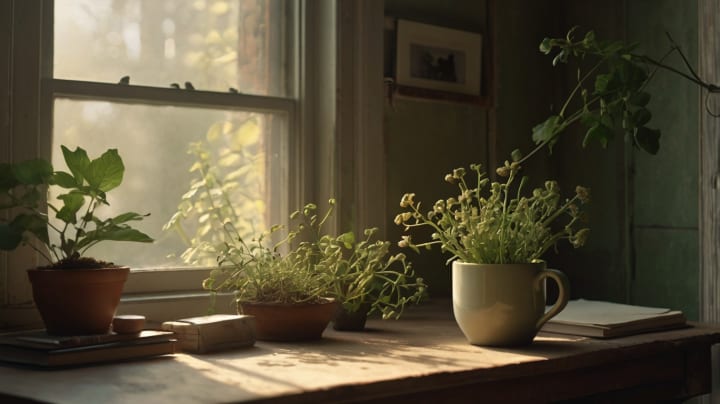
Scribble gratitude on a napkin - three things, like a kind word from a coworker, a child's laugh, or a warm meal - or pause to stare at a plant, letting its stillness anchor you. Research shows brief mindfulness boosts cortisol regulation, easing stress in as little as five minutes (Matousek et al., 2010), a lifeline for anyone juggling a packed life.
Picture this: a single deep breath pulling you from a spiral of panic during a rushed lunch break, a napkin note turning a gray commute into a flicker of light for a young adult, or a plant gaze calming a parent's frayed nerves. Consistency trumps perfection - neuroplasticity research confirms that repeated small actions rewire your brain, building resilience over time (Doidge, 2007). For a new grad, this might mean a quick dance to a favorite song; for a midlifer, a silent moment with tea; for a retiree, a walk to feel the sun.
These sparks aren't bandaids - they're seeds, planted in the margins, promising growth where you least expect it, a quiet revolution against the tyranny of busyness.
The Mirror of Self-Sabotage
Toxic productivity is a thief, luring you into "one more task" to prove your worth, a trap that snares young professionals, seasoned parents, and late-career workers alike. It's a silent pact with self-loathing, where rest feels like a betrayal and busyness becomes a shield against vulnerability. Imagine overworking to dodge the quiet of an empty nest, skipping meals to meet a deadline, or pushing through pain to stay relevant - masking a deeper fear that you're not enough without the grind. Research links perfectionism to increased depression, a cycle where self-sabotage thrives across all ages (Flett & Hewitt, 2016). Picture a night where sleep is sacrificed for a project, only to wake feeling emptier - this is the shadow's dance.
Confront this shadow gently - name your patterns without shame. Is it staying late to avoid loneliness in a new city? Skipping self-care for family duties? Reframe it as a cry for love, not a flaw. Try a "permission pause" - five minutes to stand still, look in a mirror, and say, "You're enough right now." Rooted in self-compassion therapy, this practice interrupts the cycle with kindness, offering a way to rewrite the story of worth (Neff, 2011).
You're not broken; you're human, and this pause is your rebellion against a world that measures you by output, not essence, at any stage of life.
Rituals Woven in the Margins
Amid life's storm, mindset shifts and rituals can anchor you in five minutes or less. Place a hand on your heart, close your eyes, and whisper "you're here" - a meditation that calms the amygdala, reducing stress responses (Davidson & Begley, 2012). Turn off notifications for a moment to hear your own thoughts, a rare gift whether you're a young adult or a grandparent, or stretch mid-day with intention, feeling each muscle awaken. For a new worker, curate a playlist of calming tracks; for a parent, snap a photo of a child's drawing; for a retiree, recall a cherished memory.
These "stitches of light" build resilience - journaling for five minutes can unearth buried dreams, as shown in expressive writing studies linking brief reflection to emotional clarity (Pennebaker, 1997). Envision a stretch easing a tense back after a long shift, a photo sparking joy during a break, or a journal entry revealing a passion long paused. These rituals, simple yet profound, reclaim your margins from chaos, offering a lifeline to overthinkers, caregivers, and anyone teetering on burnout.
They're not tasks - they're gifts you give yourself, threading hope into a frayed day with every breath.
From Ashes to a Gentle Flame
Healing is a spiral, not a straight line - small acts over weeks soften the edges, turning numbness into a quiet, radiant glow. For a young adult, this is permission to rest without guilt; for a midlifer, a break from the sandwich generation squeeze; for a retiree, a rediscovery of self. Research on positive psychology shows that consistent micro-moments of joy - like a 5-minute walk or a kind thought - rewire your brain for optimism, building a reservoir of resilience across life stages (Fredrickson, 2009). Picture a sunset watched in silence, its colors reflecting your worth, a moment where you feel whole despite the day's demands - whether you're 25 or 65.
Your value isn't tethered to output - your heart beats with purpose, even in the stillness of a crowded life. Start small tomorrow - a breath hug to center yourself, a gratitude note to shift your lens - and trust the flame will grow, flickering stronger with each act of care. This warmth lingers: you are the treasure you've been seeking, waiting to be unwrapped.
Every step forward, however tiny - whether it's a pause amid a workday, a quiet moment with family, or a reflective walk - builds a life where you thrive, not just survive, a testament to your enduring worth on this chaotic, beautiful journey at any age.
Writing for the burnt out, the breaking, and the beginning again.
Join me.
About the Creator
Dishmi M
I’m Dishmi, a Dubai-based designer, writer & AI artist. I talk about mental health, tech, and how we survive modern life.
Subscribe for healing advice, human stories & future thoughts!
Keep reading
More stories from Dishmi M and writers in Motivation and other communities.
Unleash Your Hidden Potential: Transform Your Life with Deep Self-Discovery
Introduction Are you trapped in a relentless cycle of just getting by, haunted by a persistent feeling that something vital is missing from your life? Endless notifications, looming deadlines, and quick-fix productivity hacks might keep you afloat, but they fail to address the deeper void - perhaps a lack of joy, intimacy, or a sense of purpose that lingers beneath the surface.
By Dishmi M7 months ago in Motivation
I Thought I Was Falling Behind in Life
I used to think I was falling behind in life, but it turns out I was just on my own timeline. It felt like I was always playing catch-up. "Way behind." Running a little behind. It felt like everyone else understood something I didn't get.
By Beshoy Zayera day ago in Motivation




Comments
There are no comments for this story
Be the first to respond and start the conversation.