
How Stoicism makes routine life interesting
Stoicism starter kit
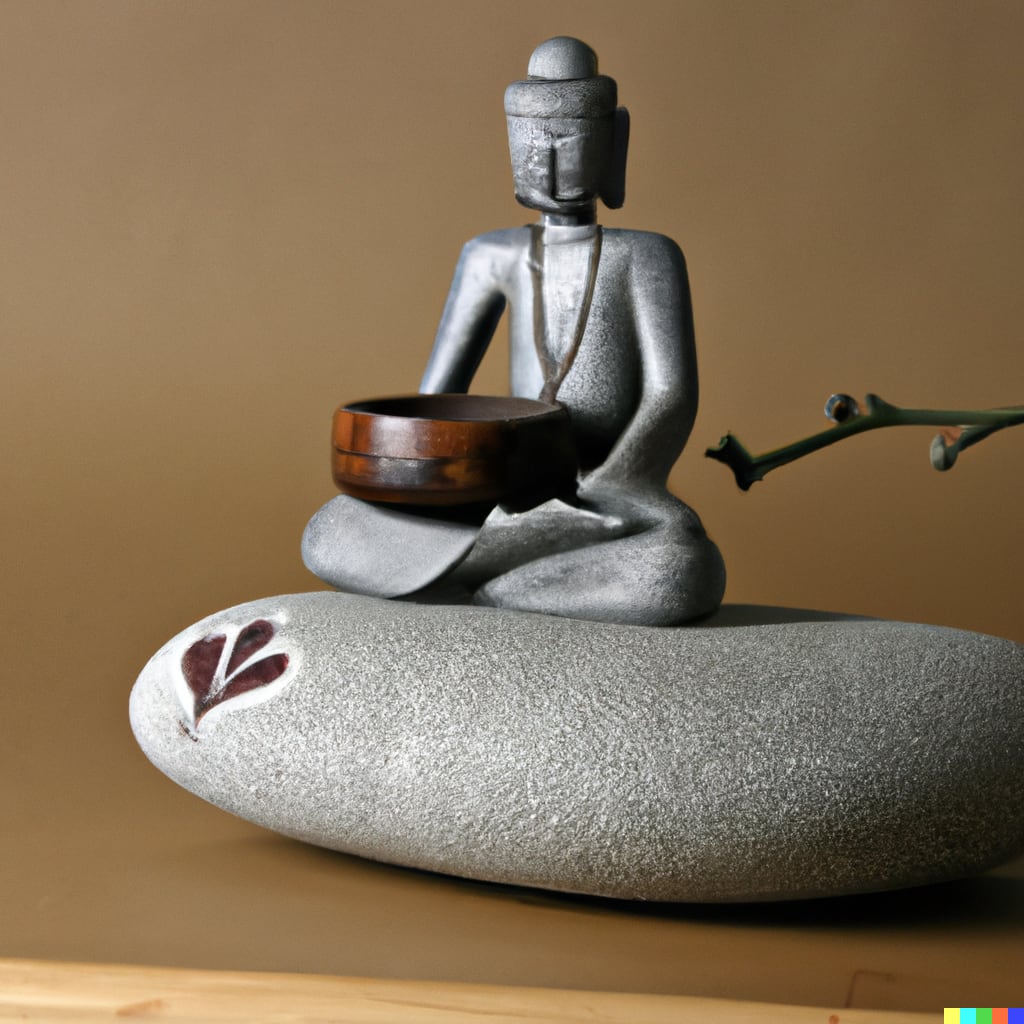
Stoicism is an ancient philosophy that emphasizes the development of self-control and resilience in the face of adversity. The Stoics believed that by understanding and accepting the natural order of things, individuals could find peace and contentment in their lives.
One of the key tenets of Stoicism is the concept of "amor fati," or "love of fate." This means accepting and even embracing whatever happens in life, rather than constantly striving to change it. The Stoics believed that by trying to control everything, we only create more suffering for ourselves. Instead, they advocated for living in harmony with the present moment and accepting things as they are.
Another important aspect of Stoicism is the idea of "ataraxia," or tranquility. The Stoics believed that true happiness comes from being at peace with oneself, and that this inner peace can be achieved by practicing self-discipline and rationality. They also believed that by understanding our own limitations and the natural order of things, we can free ourselves from the constant cycle of desire and disappointment that plagues so many people.
Stoicism also advocates for the cultivation of virtue. The Stoics believe that virtue is the key to living a good life, and that virtues like wisdom, justice, courage, and moderation are essential for living in harmony with the world around us. They also believed that by developing our virtues, we can gain control over our emotions and reactions to the world.
In addition to the above, one of the most important aspects of Stoicism is the idea of the "dichotomy of control." This concept holds that some things are within our control, while others are not. According to the Stoics, it is important to distinguish between the two and to focus our efforts on those things that we can control. This can help to reduce stress and anxiety, since we are not constantly trying to change things that are outside of our control.
Here's how your stoic thinking positively impacts your typical day
- Increased resilience in the face of adversity
- Improved ability to focus on the present moment and maintain perspective
- Greater inner peace and tranquility
- Increased ability to accept and adapt to change
- Greater ability to control one's emotions and reactions
- Increased self-discipline and determination
- Enhanced ability to set and achieve goals
- Greater ability to navigate difficult relationships or situations
- Increased ability to maintain a sense of equanimity in the face of success or failure
- Greater ability to live a virtuous and fulfilled life.
Practically it's not a cake walk to practice Stoicism in everyday's life. It can be quite challenging and difficult to rewire your entire thinking process.
Difficulty in separating Stoicism from cultural context: Stoicism was developed in a very different time and place than the modern world, so some of its concepts and practices may not easily translate to contemporary life.
Difficulty in living up to Stoic ideals: The Stoic way of life involves the cultivation of a number of virtues and the elimination of negative emotions, which can be difficult to achieve.
Difficulty in applying Stoicism to everyday life: It can be challenging to put Stoic principles into practice in one's daily life, as it requires consistent effort and self-discipline.
Difficulty in accepting the Stoic idea of indifferentism: For many people, the Stoic idea of remaining detached from things that are not in our control, and focusing instead on things that are, can be difficult to accept and put into practice.
Difficult to balance the Stoicism with other emotional aspect of life. Stoicism may push people towards a state where they suppress their emotions.
Stoicism may not be suitable for some people with certain mental health conditions such as depression, anxiety or PTSD.
Understanding all the above challenges and accepting it in itself is a first baby step in adopting stoicism.
In conclusion, Stoicism is a philosophy that offers many practical tools and techniques for living a happier, more fulfilling life. By embracing the present moment, accepting the natural order of things, and cultivating virtues, Stoicism can help us to find peace and contentment, even in the face of adversity. So, it makes life beautiful by giving us the perspective, the tools and the acceptance to go through the good and bad with equanimity.
About the Creator
Keep reading
More stories from Siddharth and writers in Motivation and other communities.
Ludacris and Nelly draw backlash over bookings at MAGA-coded music festival
Ludacris and Nelly headlining a mostly right-wing event is good for them. It’s also great for the genre of hip hop. The two rap veterans have showcased their talents on other stages. Why can’t they perform for mostly MAGA folks and grab that bag?
By Skyler Saunders7 days ago in Beat


Comments
There are no comments for this story
Be the first to respond and start the conversation.