
Generation Gap - How wider it is!
An article on key differences in thinking pattern across generations
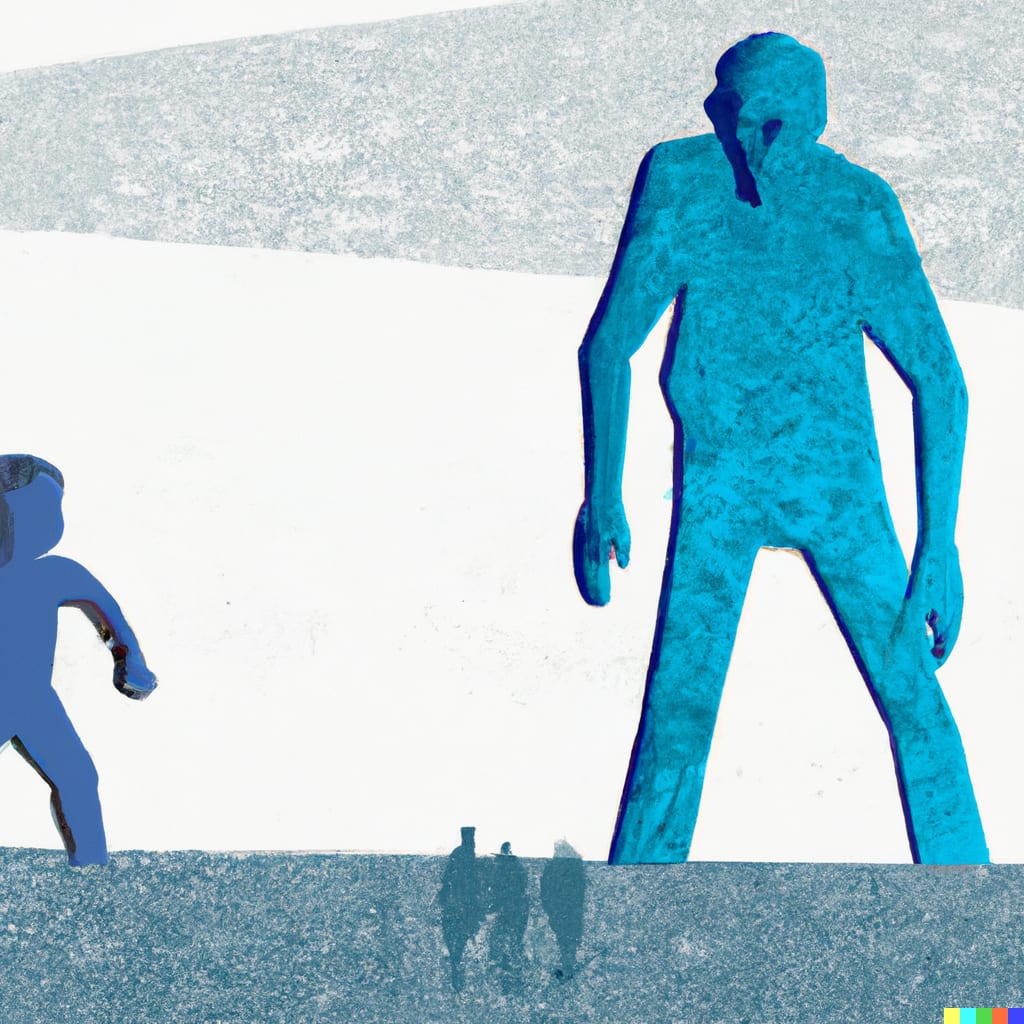
Different generations are groupings of people based on their birth years and the cultural and historical events that shaped their formative years.
There are specific terms coined to represent each generation every 20 years in the past century. These generations have key differences in their ideologies, beliefs, way of life, the things they value most in their life etc.,
The Silent Generation: Born between 1928 and 1945, this generation is characterized by its traditional values and strong work ethic.
Baby Boomers: Born between 1946 and 1964, this generation is associated with the post-World War II economic boom and is often characterized as ambitious and optimistic.
Generation X: Born between 1965 and 1980, this generation is often described as independent and skeptical of institutions.
Millennials (Generation Y): Born between 1981 and 1996, this generation is defined by its tech-savviness and emphasis on individuality and diversity.
Generation Z (iGen): Born between 1997 and 2012, this generation is characterized as the first true digital natives and as more open-minded and inclusive than previous generations.
Alpha generation : born 2013 and later, referred as a global generation raised in a fast-paced, technologically advanced society with a more diverse set of experiences and outlook.
Let's look at some key challenges faced by each of these generations.
Silent Generation challenges :
- Economic challenges: The Silent Generation grew up during the Great Depression, a time of great economic hardship, and many had to make sacrifices in order to make ends meet.
- War: Many members of the Silent Generation fought in World War II, and many others were deeply affected by the war and its aftermath.
- Political and social upheaval: The Silent Generation experienced significant political and social changes, including the Civil Rights Movement and the rise of counterculture in the 1960s.
- Technological change: The Silent Generation grew up during a time of rapid technological change, and many had to adapt to new technologies throughout their lives.
- Retirement: As the Silent Generation is reaching retirement age, they are facing the challenges that come with it, such as the rising cost of healthcare and the possibility of outliving their savings.
- Lack of communication: This generation is less vocal and expressive about their thoughts, aspirations and complaints. This has made them less understood in the modern society.
- Ageism: They are also facing ageism, discrimination based on age, which can make it difficult for them to find employment and feel valued in society.
- Health Challenges: As they age, they are also more prone to facing health challenges, both physical and mental.
Baby Boomers Challenges
- Economic challenges
- Social change: The Baby Boomers grew up during a time of significant social change, such as the Civil Rights Movement and the rise of counterculture, and many had to navigate the cultural shifts of the 1960s and 1970s.
- Technological change: Baby Boomers have had to adapt to rapid technological change throughout their lives, from the rise of personal computers to the internet and mobile technology.
- Retirement: Baby Boomers are now approaching or entering retirement age, and many are facing the challenges that come with it, such as the rising cost of healthcare and the possibility of outliving their savings.
- Health Challenges: They are also facing the challenges of aging, such as physical and mental health issues.
- Intergenerational communication gap: Many baby boomers find it difficult to communicate and connect with the younger generation, as they have different ways of thinking, communicating, and approaching life
- Personal Finance: Many baby boomers have not prepared enough for their retirement or have lost savings during 2008 financial crisis, making their retirement time challenging.
Most of these challenges are common across generations. Let's take a look at unique challenges faced by a particular generation thats different from others
Gen X
Sandwich Generation: This generation is often referred as the sandwich generation, as they have to care for their aging parents and their own children at the same time, which is financially and emotionally demanding.
Technological change: Generation X was the first generation to grow up with personal computers and the internet, but they also had to adapt to rapidly changing technology throughout their careers.
Changing societal expectations: Generation X has had to navigate shifting societal expectations and attitudes towards work, family, and personal fulfillment.
Lack of support: They may have felt that they did not have the same level of support and guidance as previous generations, and have had to figure out many things on their own.
Millennials (Gen Y)
Precarious employment: Many have experienced job insecurity and a more precarious employment environment, with more short-term contracts and freelance work.
High housing costs: Many millennials struggle with the high cost of housing, which can make it difficult for them to save money and buy property.
Social media and technology: Millennials have grown up with social media and technology, which has both positive and negative impacts on their social interactions, self-esteem and mental health.
Delayed milestones: Many millennials have delayed traditional milestones such as getting married, having children, and buying a home due to the economic challenges they have faced.
Job-hopping: Millennials are seen as more prone to job-hopping, frequently changing jobs for better opportunities or work-life balance.
Parenting challenges: As parents, millennial have to navigate a new set of challenges, such as balancing work and child-rearing in a fast-paced and technologically advanced world.
Gen Z
Technological change: Generation Z has grown up with technology, but they also have to navigate the negative impacts of social media, such as cyberbullying and the pressure to present a perfect image online.
Education: This generation is facing more pressure in their education, with increased competition for college admissions and the high cost of higher education.
Privacy concerns: With the increase in technology and the internet, Generation Z has grown up with a heightened awareness of privacy concerns and the need to protect personal information online.
Multitasking: They are known to be proficient in multitasking and adapting to fast-paced changes, but that can also have negative effects on their attention span and ability to focus.
Economic inequality: Generation Z is more aware of and affected by economic inequality, and many of them are working to make a difference in their communities and the world.
Conclusion: Every generation had faced it's unique set of challenges and challenges shape their outlook on life. It is unfair to label past generations regressive or later generations progressive.
About the Creator
How Stoicism makes routine life interesting
Stoicism is an ancient philosophy that emphasizes the development of self-control and resilience in the face of adversity. The Stoics believed that by understanding and accepting the natural order of things, individuals could find peace and contentment in their lives.
By Siddharth3 years ago in Motivation
The Forsyth House Fire
Since 1851, Forsyth House has stood on the corner of Union Street and Gordon Street in the heart of Glasgow. Its iconic, or was... because on Sunday 8th of March, 2026, a fire broke out in a small, seemingly un-named shop in the building and tore all that history down. As I write, the rubble is still unsettled and the street is still blocked off. Central Station is quiet on the upper level, and around 30 small businesses have quite literally gone up in smoke.
By S. A. Crawforda day ago in The Swamp




Comments
There are no comments for this story
Be the first to respond and start the conversation.