
Finding the Spark: Motivation at Work and the Furniture That Supports It
Boosting Workplace Drive with the Right Office Setup
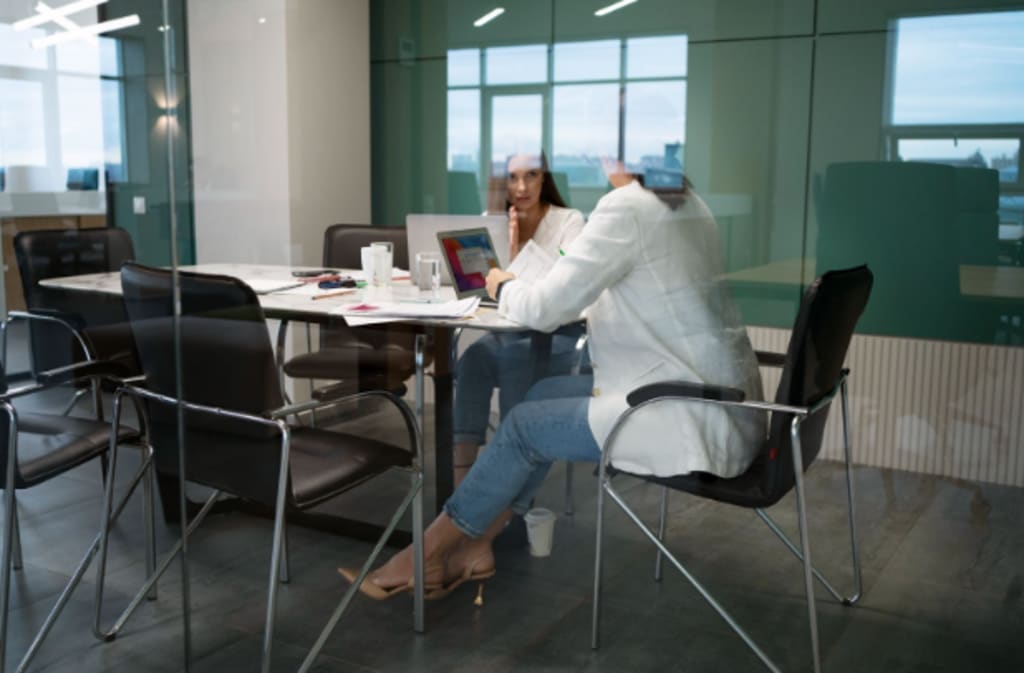
Walking into an office each morning doesn’t have to feel like a chore. The layout of a workspace – and just as importantly, the furniture within it – plays a big role in how motivated, creative, and focused people feel. Across Australia, many businesses have already recognised this, which is why the demand for well-designed, functional office furniture has grown so strongly. Whether it’s a small team upgrading their space or a large organisation planning a full refurbishment, turning to trusted Australian office furniture suppliers can make those first decisions much easier, ensuring the environment supports both comfort and productivity.
Below is a list of practical strategies, like combining motivation and furniture, that any office leader or team can apply.
7 Ways to Boost Office Motivation
- Let employees personalise their zones
When people choose how their corner looks — desk layout, storage, small décor — it creates ownership. That sense of autonomy powers intrinsic motivation. Even shifting around a plant or adding a photo can matter.
- Invest in ergonomics first
A comfortable body is less distracted. Good ergonomic furniture (adjustable chairs, desks that match elbow height, proper monitor placement) reduces aches and fatigue. As one study argues, improvements in ergonomics and comfort directly translate to better productivity.
- Create flexible collaboration and quiet zones
Not all work is individual. Some tasks require huddles; some require deep focus. Furniture design that includes modular tables, rolling screens, and reconfigurable partitions helps you shift modes.
- Use visual hierarchy to signal priorities
For example, a roomy, well-lit “war room” or brainstorming table makes it clear that ideation is valued. In contrast, tighter individual pods work better for heads-down work. The shapes, lines, and layout of furniture can non-verbally communicate what kinds of work the company prioritises.
- Refresh and rotate pieces periodically
A new chair, or swapping in a standing-desk option, can re-energise people. It signals continual investment in people’s comfort. Because tastes and needs change, you don’t need a full overhaul; incremental updates keep things fresh.
- Declutter with smart storage
Messy desks are distracting, and clutter can sap mental energy. Built-in cabinets, under-desk storage, and cable management help maintain a cleaner visual environment, which in turn supports clarity of thought.
- Illuminate with purpose - natural light + task lighting
Good lighting boosts mood and reduces eye strain. When your furniture allows light (e.g., translucent partitions, desks aligned to windows) and you supplement it with adjustable task lights, you make the workspace more inviting.
Why Furniture Matters More Than You Think
You might argue: “Isn’t it more about leadership, culture, incentives?” Yes, those absolutely matter. But the furniture is the infrastructure of daily lived experience and the constant context in which motivation either thrives or erodes.
One analysis suggests that each piece of office furniture, like a desk, chair, or storage unit, contributes to whether employees feel supported in doing their work, which in turn affects focus and collaboration.
Another angle is emotional: bland or uncomfortable interiors feel “cheap” or “uncaring,” which subtly communicates low priority. When a company invests in furniture with thought and quality, it shows employees they matter.
Also, the layout and design of furniture can influence movement, interaction, and “energy flow” in the space, which prevents stagnant air and encouraging people to get up, walk, talk, or shift posture.
So furniture isn’t just decorative, it’s motivational infrastructure.
Practical Tips for Getting Started Today
- Pilot upgrades — try a few ergonomic chairs or adjustable desks before doing a full rollout.
- Ask staff what they need — preferences differ. Some prefer firmer seats, others more cushioning; some like screens vs open desks.
- Mix in “break zones” with comfortable seating — couches, lounge chairs, soft seating let people recharge.
- Set a refresh budget — allow small furniture tweaks yearly rather than waiting for major renovations.
- Track outcomes — notice if absenteeism, complaints, or turnover shift after upgrades.
- Consider local suppliers — for example, to source and install quality pieces, reducing shipping time and customising to your climate or aesthetic.
Conclusion
In the push to motivate teams, too many leaders focus only on slogans, rewards, or training. But daily motivation is fragile — and it lives in the small, constant details. The texture of a chair, the height of a desk, the openness of a meeting table — these silently shape how people feel when they arrive and how much energy they bring to their work.
By combining the psychology of motivation with thoughtful investment in furniture, you can create an environment that helps people show up better, stay more focused, and feel appreciated. Start with one corner, refresh an office chair, add a standing desk, or install better lighting, and observe the ripple effects.
About the Creator
Keep reading
More stories from Brad and writers in Motivation and other communities.
Triumph Over Adversity
The Oprah Winfrey is not only a biography of a billionaire media mogul, but a text on the power of resilience to overcome seemingly insurmountable odds.2+1 her story is a lesson to any person who may be going through seemingly impossible times.
By Edward Smitha day ago in Motivation
How, Too
Many people wonder how, too. You are not alone, and I am an expert. I will teach you how, too! First, you need to remit a small application fee and fill out an application describing the nature of your financial situation and how often payments will be made, as this will have great bearing on how well I teach you how, too.
By Harper Lewis3 days ago in Fiction



Comments
There are no comments for this story
Be the first to respond and start the conversation.