
Evolving Within: The Art of Growing Through Life's Challenges
How challenges fuel personal evolution and unlock your true potential.
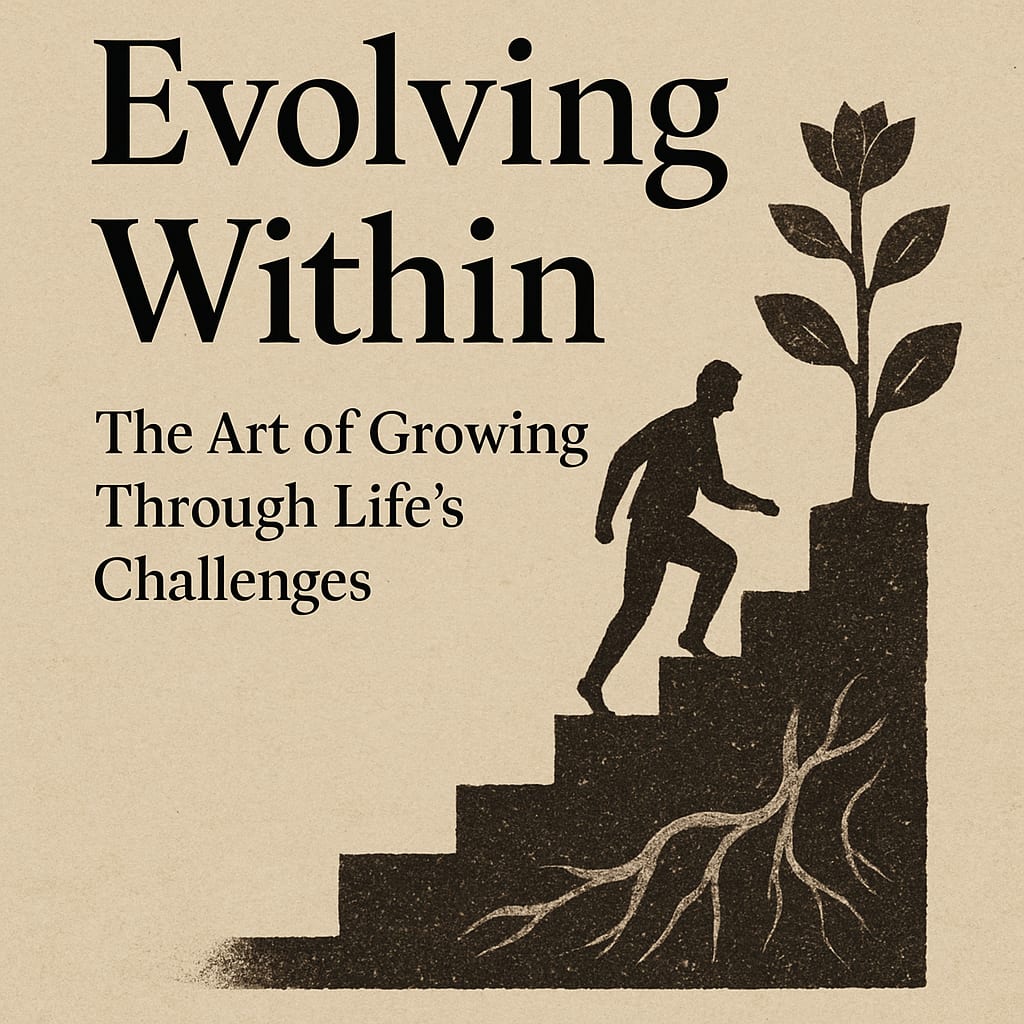
Life is not a smooth highway; it’s a winding, unpredictable journey filled with turns, bumps, and crossroads. Everyone faces challenges—some expected, others not. But what distinguishes those who merely survive from those who thrive is the ability to evolve from within. Self-growth is not just a personal development buzzword—it’s a lifelong process that enables us to respond to adversity with strength, wisdom, and grace.
The Nature of Self-Growth
Self-growth, or personal development, is the conscious pursuit of becoming a better version of oneself. This journey doesn’t happen overnight. It unfolds through experiences—especially difficult ones. In essence, challenges are the fertile soil in which the seeds of growth take root. While comfort may keep us content, it is discomfort that often propels us forward.
Personal growth involves refining our emotional intelligence, strengthening resilience, developing empathy, and gaining self-awareness. It’s about learning from past mistakes, adapting to change, and remaining open to new perspectives. Growth, at its core, is an inward evolution that reflects outwardly in our behavior and mindset.
Embracing Challenges as Catalysts
Contrary to what many believe, challenges are not roadblocks; they are stepping stones. Whether it’s a career setback, a broken relationship, financial hardship, or a personal failure, such experiences are opportunities to learn, heal, and transform.
Consider the metaphor of a butterfly. Before it can fly, it must first endure the struggle of breaking free from its chrysalis. If someone intervenes to help, the butterfly may never develop the strength in its wings to survive. Likewise, it’s our struggles that build our inner strength.
When we start viewing life’s difficulties not as punishments but as pathways to growth, our mindset begins to shift. Instead of asking, “Why is this happening to me?”, we start asking, “What is this teaching me?” This shift is the beginning of true transformation.
The Role of Resilience
Resilience is the capacity to recover from adversity. It’s not about avoiding pain or pretending everything is fine. It’s about facing pain head-on and choosing to move forward in spite of it. Resilient people are not immune to suffering—they simply choose not to be defined by it.
Building resilience requires practice. It involves acknowledging emotions without being overwhelmed by them, maintaining a hopeful outlook, and developing coping mechanisms like mindfulness, journaling, or seeking support.
One key element of resilience is self-compassion. When we are kind to ourselves during tough times, we foster emotional healing. Self-compassion helps us accept our imperfections and mistakes, viewing them as part of the shared human experience rather than personal failures.
The Importance of Mindset
Psychologist Carol Dweck introduced the concept of fixed mindset versus growth mindset. People with a fixed mindset believe their abilities are static—they avoid challenges for fear of failure. Those with a growth mindset, however, see challenges as opportunities to learn and improve.
Adopting a growth mindset allows us to approach adversity with curiosity rather than fear. It empowers us to say, “I don’t know how to do this yet, but I can learn.” This mental flexibility is crucial for evolving through life’s uncertainties.
Moreover, gratitude plays a significant role in shaping a positive mindset. Focusing on what we have, rather than what we lack, allows us to find silver linings in difficult circumstances. Gratitude shifts our perspective and helps us build emotional endurance.
Self-Awareness: The Foundation of Growth
To evolve from within, we must first understand ourselves. Self-awareness is the cornerstone of personal growth. It involves being honest about our thoughts, emotions, triggers, and behaviors.
Reflection is a powerful tool in cultivating self-awareness. Through journaling or quiet contemplation, we begin to recognize patterns in our responses. For instance, do we withdraw when criticized? Do we procrastinate when anxious? By identifying these tendencies, we gain the power to change them.
Self-awareness also includes recognizing our values and purpose. When we align our actions with our core beliefs, we create a life of integrity and fulfillment. Knowing who we are and what we stand for becomes our compass through life’s storms.
Learning from Failure
Failure is often viewed negatively, but it is an inevitable—and necessary—part of growth. Every successful person has faced setbacks. The difference lies in how they responded.
Thomas Edison once said, “I have not failed. I’ve just found 10,000 ways that won’t work.” His relentless pursuit of innovation exemplifies the value of perseverance.
Failure teaches humility, resilience, and adaptability. It exposes our weaknesses and challenges us to improve. More importantly, it reminds us that we are human.
Instead of fearing failure, we should embrace it as a teacher. When we learn from our mistakes, we gain insight and wisdom. Each setback becomes a stepping stone to a stronger, wiser self.
The Role of Relationships
Growth doesn’t happen in isolation. Our relationships—with friends, family, mentors, or even strangers—play a vital role in our development. They offer support, perspective, and accountability.
Healthy relationships challenge us to grow while providing a safe space to express ourselves. Constructive feedback from others can illuminate our blind spots. Empathy, communication, and active listening are all skills developed through meaningful connection.
At the same time, it’s essential to recognize toxic influences. Surrounding ourselves with people who uplift and inspire us is critical. Sometimes, growth means outgrowing relationships that no longer align with our values.
Healing as Growth
Many forms of self-growth arise from healing emotional wounds. Whether it’s recovering from trauma, loss, or betrayal, healing is a powerful, though painful, process of transformation.
Healing requires patience, vulnerability, and courage. It’s not about forgetting the past, but learning to live with it in a way that no longer controls us. Seeking therapy, engaging in creative expression, or simply talking to a trusted friend can initiate this process.
As we heal, we begin to reconnect with parts of ourselves that were buried or broken. This reconnection fosters self-acceptance and deepens our emotional maturity.
Building Meaningful Habits
Growth is sustained by the small, consistent actions we take daily. Habits such as reading, meditating, exercising, or setting goals help reinforce our commitment to personal development.
James Clear, author of Atomic Habits, emphasizes that change doesn't require massive action, but rather small improvements over time. By building habits aligned with our goals, we create momentum.
Accountability and routine play a big role in habit formation. Creating structure helps maintain discipline, especially during times of emotional stress. Growth isn’t about perfection—it’s about progress.
Conclusion: The Ever-Evolving Self
Growth is not a destination—it’s a journey. Life will continue to present challenges, but each one offers an invitation to evolve. By facing adversity with courage, cultivating self-awareness, and committing to daily practices of growth, we become stronger, wiser, and more compassionate versions of ourselves.
Evolving within doesn’t mean becoming someone new—it means becoming more authentically you. It’s about shedding what no longer serves you and embracing your full potential. The art of growing through life’s challenges is not just about survival—it’s about transformation.
So the next time life tests you, take a breath, look within, and ask: What am I being called to learn? For within every challenge lies the seed of evolution.
About the Creator
Senan Khan
Passionate storyteller turning ideas into impactful words.
From thought-provoking articles to creative narratives, I bring stories to life.
Driven by curiosity, inspired by everyday wonders.
Let’s explore, Express one story at a time
Keep reading
More stories from Senan Khan and writers in Motivation and other communities.
The Dark Side of Overthinking: How It Destroys Happiness
We’ve all been there—lying in bed, staring at the ceiling, replaying that one conversation from earlier, wondering if we said something wrong. Or obsessing over a decision we made, doubting ourselves even when the facts say we’re fine. This is overthinking, a mental habit that quietly creeps into our lives, often disguised as caution or carefulness. But while being thoughtful is good, overthinking is not the same as thinking clearly. It’s a destructive loop that can sabotage our peace, confidence, and most dangerously—our happiness.
By Senan Khan8 months ago in Psyche
The Day I Stopped Waiting for a Miracle
Write by rahman ..usedbelieve miracles arrived loudly—thunder, light, sudden, udeniable change. I imagined them as a celestial hand swooping in to rewrite my life in an instant. And yet, that morning, the miracle arrived quietly, so quietly that I almost didn’t notice it.
By Rahman Khan6 days ago in Motivation



Comments
There are no comments for this story
Be the first to respond and start the conversation.