
Emotional Discipline: How to Master Your Feelings Before They Master You
Self-discipline isn’t just about habits—it’s about emotional self-control in moments that matter most.

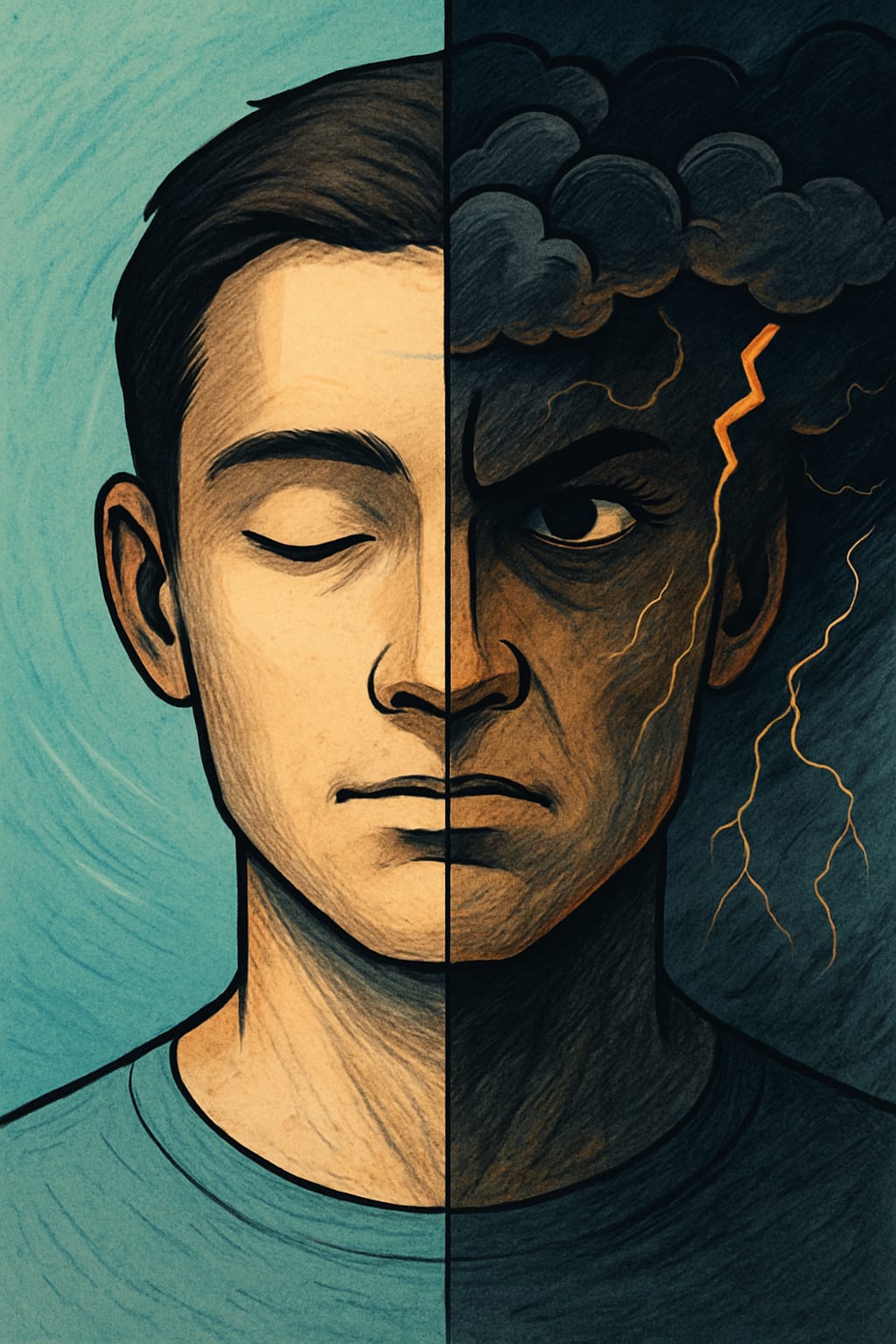
We often think of discipline as waking up early, hitting the gym, or turning down that second slice of cake. But there’s another, deeper form of discipline that receives far less attention: emotional discipline. It's the ability to regulate your feelings, stay composed in chaos, and respond rather than react. It’s what determines whether we say something we regret, give up on a goal too early, or spiral into self-sabotage.
Mastering emotional discipline isn’t about suppressing how you feel. It’s about building enough awareness and strength to acknowledge your emotions without being controlled by them.
The Hidden Force Behind Self-Sabotage
You already know what you should do—eat healthier, study more, save money, be kind. But why don’t we follow through?
Because when discipline meets emotion, emotion usually wins. That one harsh comment from a coworker can ruin your focus. A wave of self-doubt can derail your entire week. A sudden burst of anger can lead to irreversible words.
This is where emotional discipline becomes the core engine behind lasting change. Without it, all other forms of discipline crumble.
Understanding Your Emotional Triggers
Your brain is designed to prioritize emotions over logic—it’s a survival mechanism. When something threatens your sense of control, your amygdala (the emotional center of the brain) kicks in before the rational prefrontal cortex even has a say.
That’s why we yell, avoid, procrastinate, binge, or ghost people. These aren't character flaws. They’re often emotional reflexes—and reflexes can be trained.
Start by identifying patterns:
When do you feel most emotionally reactive?
What situations make you impulsive?
Are there common themes—rejection, comparison, failure?
You can’t change what you don’t recognize. Emotional discipline starts with emotional awareness.
The Moment Between Trigger and Reaction
Viktor Frankl once said:
“Between stimulus and response there is a space. In that space is our power to choose our response.”
That space is what emotional discipline seeks to expand.
Let’s say you receive a harsh message. Instinct says reply instantly. But with emotional discipline, you pause. You let the emotion pass through you like a wave rather than letting it drown you.
That pause is power.
Here’s how to grow it:
1. Name the Feeling
Don’t just say “I feel bad.” Say “I feel anxious,” or “I feel rejected.” Giving your emotions a name tames them. Neuroscience confirms that labeling emotions reduces their intensity.
2. Breathe Before You Act
Deep breathing isn’t fluffy advice. It’s biology. Slow breaths signal safety to your nervous system and shift your brain out of fight-or-flight mode.
Try the 4-7-8 method:
Inhale for 4 seconds → Hold for 7 seconds → Exhale for 8 seconds.
3. Create an Emotional Toolbox
In moments of intensity, it helps to have a toolkit ready:
Go for a walk
Write down what you're feeling
Call a trusted friend (not to vent, but to gain perspective)
Listen to calming music
Delay the response (set a 24-hour rule)
Over time, you condition your brain to associate discomfort with constructive action rather than impulsive reaction.
Training for the Long Term
Like physical fitness, emotional fitness requires reps. You won't build emotional discipline overnight, but the more you practice resisting the first impulse, the stronger your second response becomes.
Some long-term practices that help:
Mindfulness meditation: Increases awareness of your emotional state before it hijacks your behavior.
Journaling: Helps detect emotional patterns and brings unconscious triggers to light.
Therapy or coaching: External guidance can speed up your understanding of emotional blind spots.
Cold exposure or discomfort training: Teaches you to stay calm under pressure. Yes, even cold showers can help.
Why Emotional Discipline Is the New Superpower
We live in an emotionally reactive world. Social media rewards outrage. Work environments encourage constant urgency. Even our personal lives are full of emotional landmines.
In this climate, emotional discipline is rare—and powerful. The person who stays calm in chaos holds the most influence, makes the clearest decisions, and earns the deepest trust.
Think about leaders you admire, mentors who inspire you, or even fictional characters you look up to. They don’t just “work hard”—they carry themselves with emotional balance. That’s no coincidence.
Final Thoughts: Mastery, Not Suppression
Let’s be clear: emotional discipline doesn’t mean ignoring your feelings. It means honoring them without letting them steer the ship.
You can feel fear and still move forward.
You can feel hurt and still respond with grace.
You can feel overwhelmed and still make clear decisions.
In that space between feeling and action, you reclaim control—not just over your emotions, but over your life.
You are not your emotions. You are the one who observes them, names them, and decides what to do next. That’s real power.
About the Creator
Ahmet Kıvanç Demirkıran
As a technology and innovation enthusiast, I aim to bring fresh perspectives to my readers, drawing from my experience.
Keep reading
More stories from Ahmet Kıvanç Demirkıran and writers in Motivation and other communities.
My Daily Win
I used to end every day feeling like a failure. It didn't matter what I accomplished. I could cross off ten items from my to-do list, and all I'd see were the fifteen I didn't finish. I could have a productive work day, cook a healthy dinner, and call my mom—and still go to bed thinking about the email I forgot to send or the closet I didn't organize.
By Fazal Hadi5 days ago in Motivation




Comments (3)
nice keep it up
Is struggling with panic attacks and today I think I made it past one.its very hard to do but your tips are great ♦️🦋♦️
There are some great tips here. Thanks for sharing.