
Breathe Your Way to Calm in Just 10 Minutes: Unlocking Stress Relief with Mindfulness
Simple Techniques for Instant Relaxation and Lasting Peace

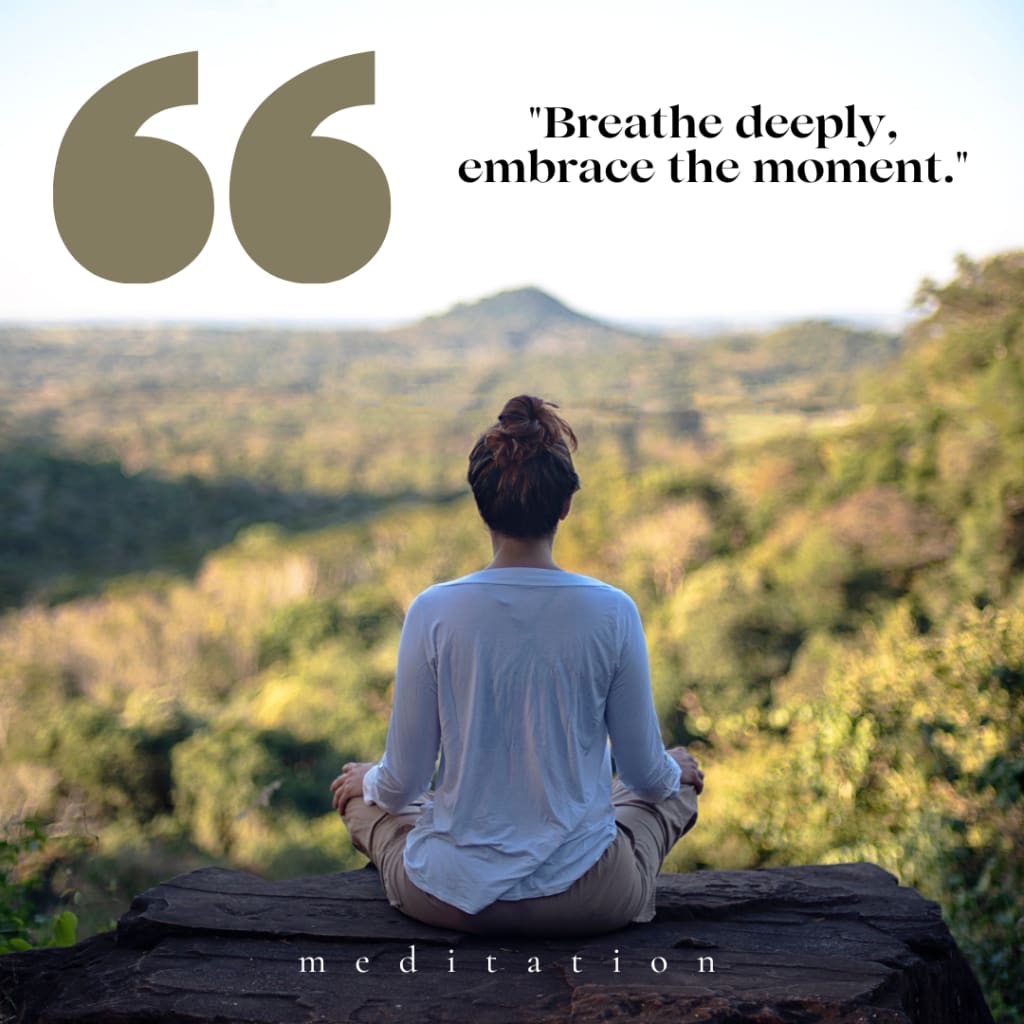
In today's fast-paced world, stress has become an almost inevitable part of our daily lives. Whether its work pressures, family responsibilities, or the barrage of information we face every day, many of us find ourselves overwhelmed by various stressors. Each person has their own approach to managing this stress, often experimenting with different techniques to find what works best. One effective method that has gained significant attention is Mindfulness meditation. Among the many techniques within mindfulness meditation, deep breathing—specifically abdominal breathing—has proven to be a powerful tool. This method not only helps reduce stress levels quickly but also enhances overall mental clarity and emotional well-being. By learning to control our breath, we can significantly influence our body’s stress response, paving the way for relaxation and calm.
The Technique of Deep Breathing
To practice deep breathing effectively, it’s essential to create a suitable environment. Choose a quiet and comfortable space where you won’t be disturbed. You can sit on a chair, the floor, or a yoga mat—whatever feels best for you. Once you find your spot, take a moment to settle in. Place your feet flat on the floor and rest your hands on your thighs. Sit up straight while relaxing your neck and shoulders. This posture helps open your chest and allows for better airflow.
After getting comfortable, you can either close your eyes to minimize distractions or keep them slightly open, focusing on a point in front of you. This initial setup is crucial as it prepares your mind and body for the practice ahead.
Understanding Abdominal Breathing
Now that you’re settled, let’s delve into the mechanics of abdominal breathing. Unlike normal breathing, where we typically inhale and exhale through the nose, abdominal breathing involves a conscious effort to engage the diaphragm and fill the abdomen with air. This technique has several distinct steps:
1. Inhale through your nose: Start by taking a deep breath in through your nose. As you do this, place one hand on your abdomen. Imagine your breath filling your stomach, allowing it to expand outward, similar to how a balloon inflates.
2. Exhale through your mouth: After you inhale, slowly exhale through your mouth. Imagine all the air leaving your abdomen, letting it return to its normal shape. This release is essential for experiencing the relaxation that comes afterward.
3. Monitor your hand: Keeping your hand on your abdomen is a helpful way to ensure that you’re breathing correctly. You should feel your hand move forward as your abdomen expands during the inhale. If you notice your chest rising more than your belly, it means you're not breathing correctly. Take a moment to pause and adjust your breathing technique.
4. Practice consistently: Aim to practice this deep breathing for about 5-10 minutes, or for as long as it feels comfortable. As you engage in this exercise, you may start to notice a sense of relaxation permeating your body.
Overcoming Mental Clutter
One of the remarkable benefits of deep breathing is its ability to quiet the mind. In our busy lives, it’s easy for thoughts and worries to crowd our mental space. During your breathing practice, you might notice countless thoughts racing through your mind—concerns about work, family, or other responsibilities. To counter this mental clutter, focus your attention solely on your breath.
As you breathe deeply, visualize your thoughts as waves in the ocean. Imagine them rising and falling, and allow them to drift away like clouds passing in the sky. Instead of trying to grasp or hold onto these thoughts, simply acknowledge them and let them float away. This practice of focusing solely on your breathing helps anchor your mind, creating a tranquil mental environment. This technique is often referred to as “Anchoring of the mind.” Just as a ship drops anchor in calm waters, mindful breathing can stabilize our wandering thoughts.
In conclusion, the practice of deep breathing, particularly when combined with mindfulness techniques, can significantly enhance our ability to manage stress. As we learn to anchor our thoughts to our breath, we can navigate the chaos of daily life with greater ease and clarity. Consistent practice of abdominal breathing can lead to profound changes in our mental and emotional well-being.
Within just a few weeks, individuals who commit to this practice may notice significant improvements in their ability to handle stress and anxiety. The simplicity of deep breathing makes it an accessible tool for anyone seeking to cultivate a more relaxed and balanced life. By embracing mindfulness and incorporating deep breathing into our routines, we can foster a greater sense of peace and well-being in our ever-busy lives.
About the Creator
Sadia Naznin
I’m passionate about transforming complex ideas—like life hacks, mental health, and science—into engaging, accessible content that resonates with readers.
Keep reading
More stories from Sadia Naznin and writers in Motivation and other communities.
The Power of Choices: Transform Your Life with Every Decision
Every day, we make countless choices, and these choices can have a huge impact on our lives. From what we wear in the morning to how we spend our time, the decisions we make reflect our values and priorities, ultimately defining our paths. In this article, we will explore three critical sets of concepts: Bad Choice vs. Good Choice, Bad Habit vs. Good Habit, and Disaster vs. Achievement. Understanding these relationships not only highlights the significance of our daily decisions but also empowers us to cultivate a more mindful approach to life. Join me as we uncover the impact of our choices and how they can lead to transformative outcomes.
By Sadia Nazninabout a year ago in Motivation


Comments (1)
Impressive