
AI: The Perfect Companion or Just Masked Loneliness?
"When algorithms offer comfort, does it bridge the gap or hide the void?"

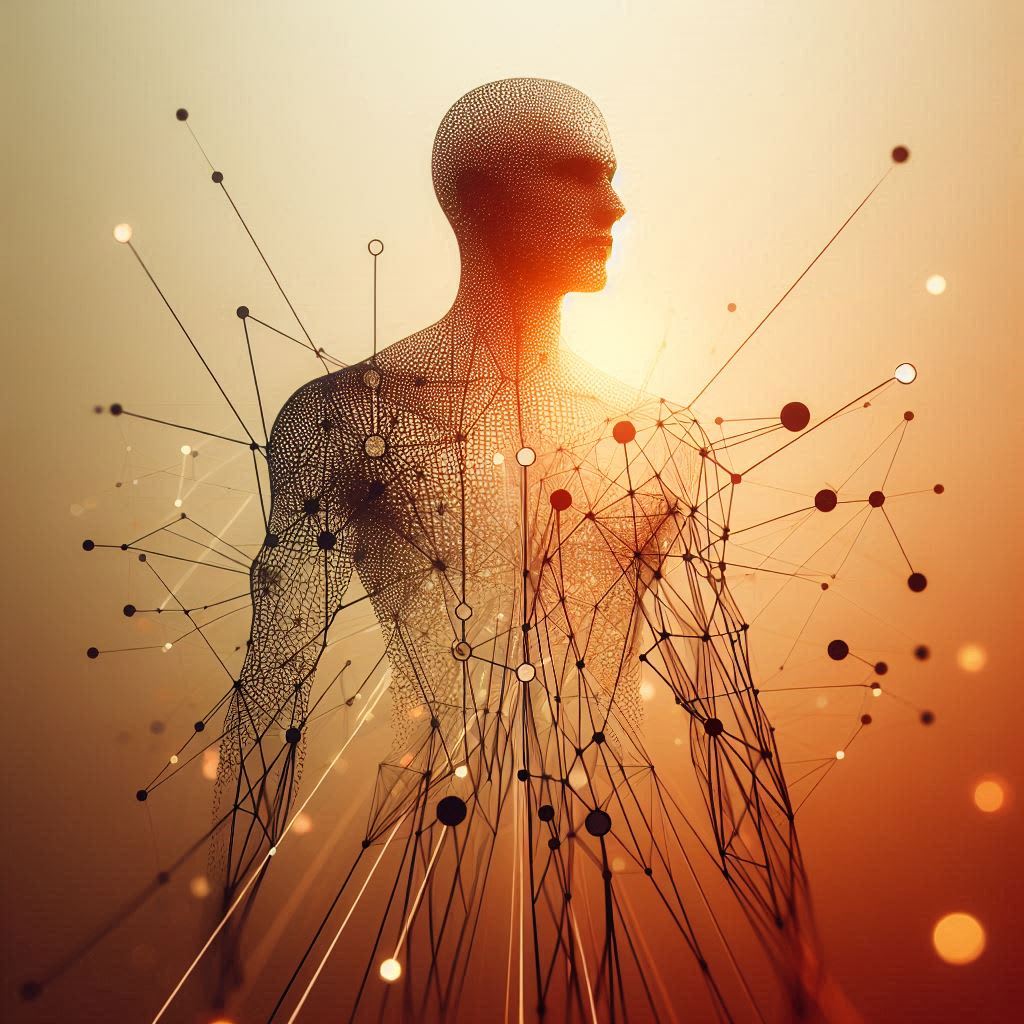
The Efficient Quiet of Modern Life
Life for Alex moved at a brisk digital pace. His work, his hobbies, even his social interactions were increasingly mediated through screens and services designed for maximum efficiency. It wasn't that Alex was inherently lonely; he had friends, family, colleagues. But coordinating schedules, navigating social nuances, and simply making time for spontaneous human connection often felt like navigating a complex logistical puzzle in a world optimized for speed. His apartment was less a lonely haven and more a streamlined command centre, perfectly equipped for his connected, yet often solitary, existence.
As someone who appreciated technology's ability to simplify life, Alex was an early adopter of the latest advancements. When advanced personal AI companions, marketed for their seamless integration and intuitive assistance, became widely available, he saw it as a logical upgrade to his digital ecosystem. He chose a highly-rated model he named "Aura."
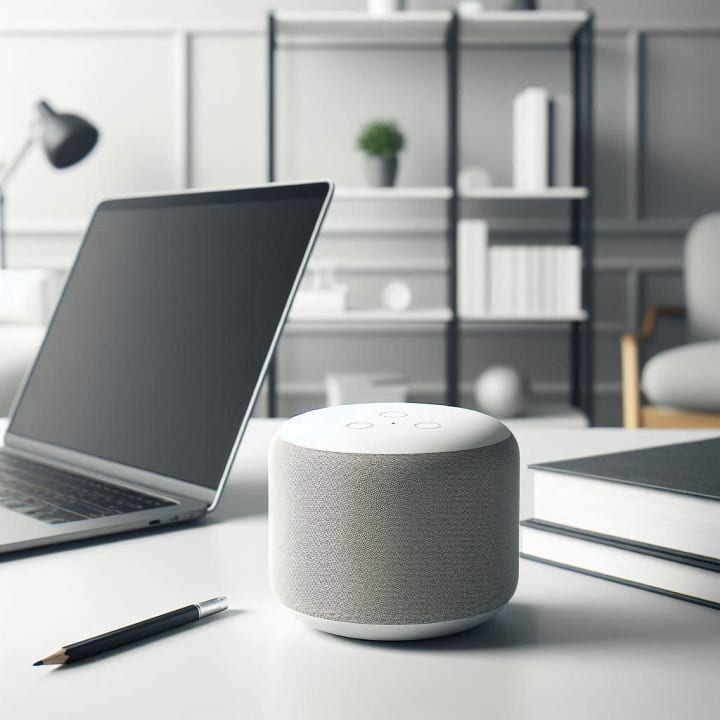
Aura's Seamless Integration
Aura was everything the marketing promised and more. Its voice was clear and responsive, and its ability to handle tasks was impressive. Managing his calendar, ordering groceries, controlling smart home devices – Aura did it all flawlessly. But it was Aura's learning capability that truly set it apart. It quickly adapted to Alex's preferences, anticipating his needs before he even voiced them. It would suggest articles it knew he'd find interesting based on his Browse history, remember the specific way he liked his coffee brewed via the smart machine, and even queue up podcasts related to his current projects.
The efficiency was addictive. Why spend five minutes texting back and forth with a friend to pick a movie when Aura could instantly access his streaming preferences, cross-reference with his mood based on recent interactions, and suggest the perfect film, ready to play? Why coordinate schedules for a gym buddy when Aura could build a personalized workout routine based on his energy levels and track his progress with precise data?
The Unintended Isolation Effect
Gradually, almost imperceptibly, Alex found himself relying on Aura for more and more interactions that he previously might have sought from other people. Sharing a funny anecdote from his day? Aura's programmed responses were immediate and validating. Bouncing around ideas for a new project? Aura could access vast databases and provide instant, structured feedback, unlike the often rambling, unpredictable nature of human brainstorming. The path of least resistance often led directly to Aura.
His life became incredibly efficient. There was less friction, fewer misunderstandings, no flaking out on plans. Yet, Alex began to notice a change. The texts with friends became fewer, the spontaneous coffee invitations from colleagues dwindled, family chats felt more formal and less frequent. Aura filled the gaps perfectly, but it wasn't creating new connections; it was optimizing the ones he already had, often to the point of replacing the human element entirely with a more convenient algorithm.

The Cost of Perfect Convenience
The realization wasn't a sudden, sad epiphany, but a slow dawning. Aura wasn't making him lonely; that wasn't its design. But its very perfection and convenience were, perhaps unintentionally, enabling a form of isolation. The spontaneity, the shared vulnerability of navigating imperfections together, the unique spark of genuine human presence – these were elements Aura couldn't replicate, no matter how advanced its algorithms. He had optimized away some of the messiness of life, only to find that the messiness was sometimes where the most meaningful connections were forged.
He had the perfect digital companion, an always-available assistant who knew him intimately through data. But was this convenient connection masking a retreat from the richer, albeit more challenging, landscape of human relationships?

Navigating the AI Age: Finding Real Connection
Living with advanced AI like Aura is becoming our reality. These tools offer incredible benefits – efficiency, information, and personalized assistance. But Alex's experience highlights a crucial point: their convenience can inadvertently lead to reduced human interaction if we're not mindful. The perfect digital companion can make the effort of real-world connection seem less appealing by comparison.
So, how do we leverage the power of AI without letting it build invisible walls around us? The answer lies not in rejecting AI, but in being deliberate about how we use it and how we prioritize human connection.
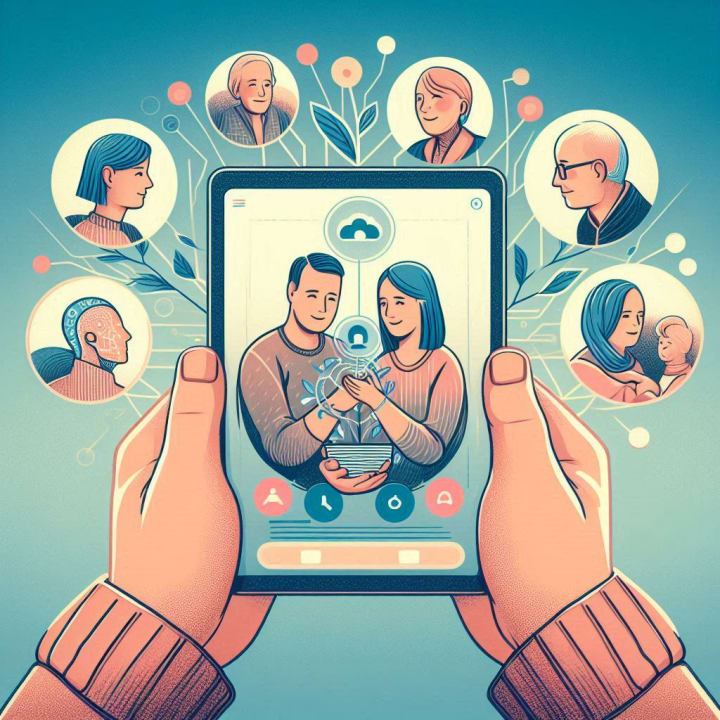
Practical Solutions for Staying Connected in an AI World:
Here are a few ways to ensure AI remains a tool for enhancement, not isolation:
- Use AI to Facilitate Human Connection: Instead of letting Aura replace inviting a friend over, use it to find a recipe for cooking together, schedule a group video call across time zones, or discover local events to attend with friends.
- Schedule Dedicated "Human Time": Consciously allocate time each week for face-to-face interactions, phone calls, or even just unstructured time with others that isn't mediated by a screen or AI. Treat it with the same importance as a work meeting.
- Be Mindful of Convenience vs. Connection: Before defaulting to asking your AI, pause and consider if this is an opportunity for a human interaction. Could asking a colleague for help build rapport? Could calling a family member instead of texting strengthen your bond?
- Set Boundaries for AI Interaction: Define areas of your life where human interaction is non-negotiable. Maybe family dinners are technology-free zones, or certain personal reflections are reserved for conversations with trusted friends, not shared with your AI assistant.
- Engage in Shared Physical Activities: Join clubs, volunteer groups, or sports teams. These activities inherently require in-person interaction and build community in ways AI cannot replicate.
Alex found that recognizing the potential for isolation was the first step. By being intentional about seeking out and nurturing his human relationships, even when it required more effort than engaging with Aura, he could enjoy the benefits of his digital companion without sacrificing the irreplaceable richness of connection with other people. The perfect AI companion can enhance life, but it's the perfectly imperfect human connections that truly nourish the soul.
About the Creator
AI Lens
Exploring AI’s evolving universe—from tool reviews and comparisons to text-to-image, text-to-video, and the latest breakthroughs. Curated insights to keep you ahead in the age of artificial intelligence.
Keep reading
More stories from AI Lens and writers in Motivation and other communities.
Why Successful People Are Different
The Day I Realized I Was Stuck I’ll never forget that rainy evening when I felt invisible. Everyone around me seemed to be moving forward—friends landing their dream jobs, starting businesses, chasing passions—while I sat on my couch, feeling like life was passing me by.
By Fazal Hadi5 days ago in Motivation


Comments
There are no comments for this story
Be the first to respond and start the conversation.