
Accepting Impermanence: A Shortcut to Less Suffering
Embracing Impermanence: A Gateway to Inner Peace

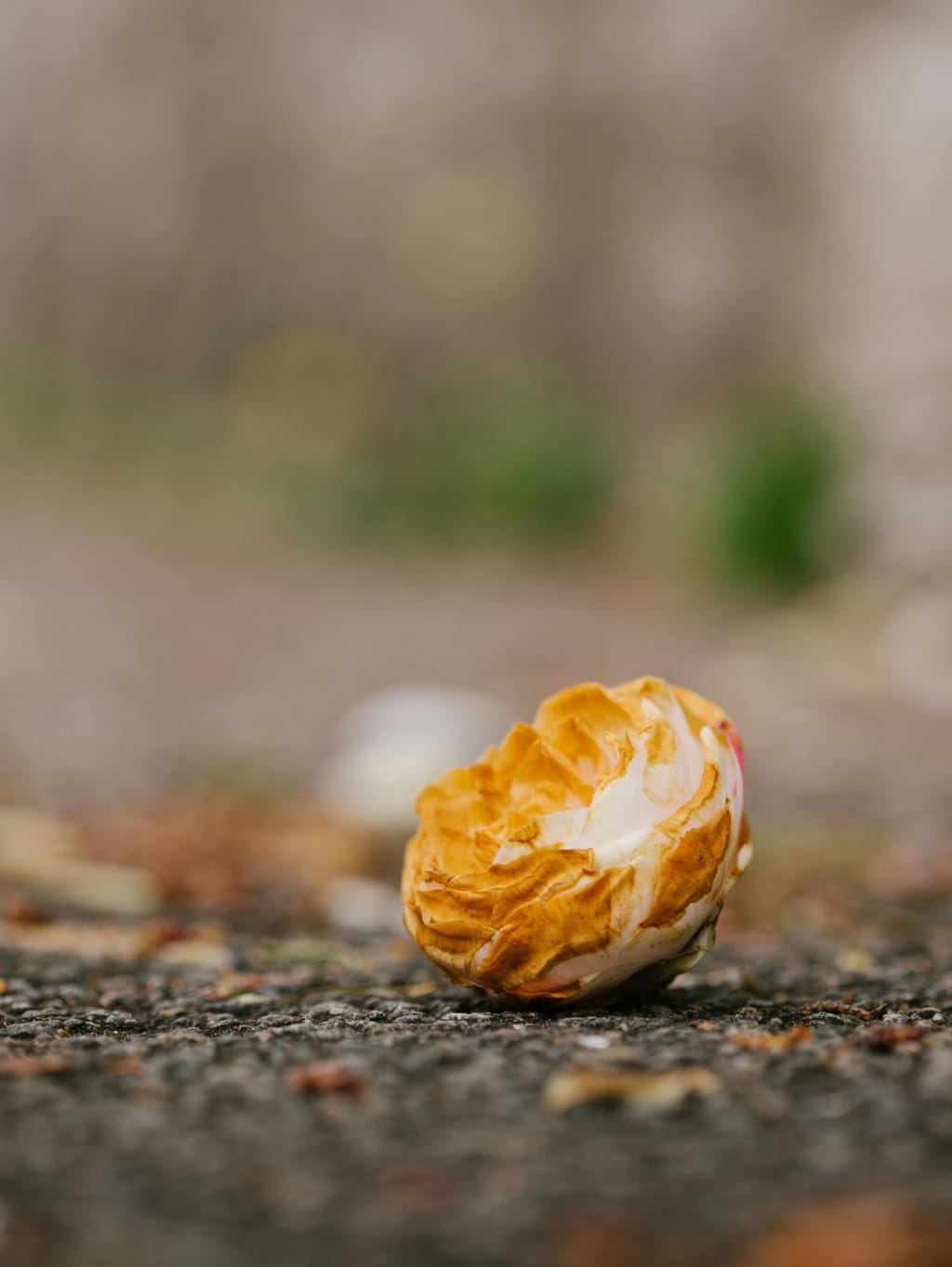
Life is full of changes. Seasons shift, relationships evolve, our bodies age, and our emotions come and go. Nothing stays the same forever. In Buddhism, this constant state of change is known as impermanence. At first, the idea of impermanence might feel unsettling—it challenges our desire for stability and control. But what if instead of fearing it, we embraced it?
In this article, we’ll explore how impermanence connects to suffering and why accepting it can transform how we experience life. By the end, you’ll see how this simple mindset shift can lead to a more peaceful and fulfilling life.
What Is Impermanence?
Impermanence means everything is constantly changing. Nothing in life is fixed—our surroundings, our emotions, even our thoughts. Think about a joyful moment: it doesn’t last forever. But also think about a time you felt deep sadness or frustration—that passed too.
This idea isn’t just a philosophical concept; it’s something we all experience daily. The challenge comes from our resistance to this reality. We want the good times to last forever, and we try to avoid or deny anything unpleasant. But this resistance is exactly what leads to suffering.
How Does Impermanence Cause Suffering?
In Buddhism, the term suffering doesn’t just refer to physical pain or big life struggles. It also includes the subtle, ongoing discomfort we feel when things don’t go our way.
Here’s how impermanence ties into that:
Clinging to the Good
When we experience something we enjoy—like a great relationship, a dream job, or a sense of happiness—we want it to stay the same. But when things inevitably change, we feel pain and loss.
Avoiding the Bad
On the flip side, when we face challenges like failure, rejection, or sadness, we try to push them away. But because these are natural parts of life, our efforts to avoid them only add to our distress.
Ultimately, suffering doesn’t come from the changes themselves but from our refusal to accept them. If we could embrace impermanence instead of resisting it, we’d free ourselves from much of this unnecessary pain.
The Benefits of Embracing Impermanence
Accepting impermanence isn’t about giving up or becoming indifferent. It’s about learning to live with life’s natural flow instead of fighting against it. Here’s how embracing impermanence can improve your life:
1. Letting Go of Attachments
When you accept that nothing lasts forever, you can start letting go of unhealthy attachments. This doesn’t mean you stop caring—it means you appreciate things while you have them and find peace when they change or end. For example, knowing a friendship might evolve or fade makes you value the moments you share even more.
2. Making Pain More Bearable
When you’re going through a tough time, remembering that “this too shall pass” can be incredibly comforting. Just like happy moments, difficult times don’t last forever. This perspective can give you the strength to keep going, knowing relief is on the horizon.
3. Living More Freely
By embracing impermanence, you stop wasting energy clinging to the past or worrying about the future. Instead, you can fully engage with the present moment, enjoying life as it unfolds without trying to control it.
How to Practice Accepting Impermanence
Learning to embrace impermanence takes practice, especially when it goes against our natural desire for stability. Here are some simple ways to start:
1. Notice Small Changes Around You
Pay attention to everyday changes, like the weather shifting, a flower blooming, or how your mood fluctuates throughout the day. These small observations can help you see that impermanence is always present.
2. Practice Letting Go
The next time you notice yourself clinging to something—like a specific outcome, a possession, or someone’s opinion—pause and ask yourself: Why am I so attached to this? Letting go doesn’t mean you stop caring; it just means you’re open to change.
3. Reflect on Past Experiences
Think about a time when something you feared actually happened, like a breakup or losing a job. At the time, it might have felt unbearable. But now, looking back, you can probably see how you grew from the experience or how life moved on.
4. Meditate on Your Breath
A simple meditation practice can help you experience impermanence in real-time. Sit quietly and focus on your breath. Notice how each inhale and exhale begins and ends. Your breath is a constant reminder of life’s natural rhythm of change.
Letting Suffering Be Your Teacher
In Buddhism, suffering isn’t seen as the enemy but as a teacher. It shows us where we’re clinging, resisting, or ignoring the truth of impermanence. By paying attention to our struggles with curiosity and compassion, we can learn valuable lessons.
Impermanence, while it can feel like a source of suffering, is also the key to easing it. Accepting change allows us to face life’s ups and downs with greater resilience and understanding.
Embrace Change, Enjoy the Present
Yes, impermanence can be hard to accept—especially when it involves losing something or someone we deeply care about. But it’s also a gentle reminder to treasure what we have while we have it.
It’s because things don’t last forever that they become so precious. By accepting impermanence, we can learn to let go of unnecessary pain, appreciate the present moment, and face life’s challenges with more ease.
So next time you feel resistance to change or fear of the unknown, take a deep breath and remind yourself: life is always changing, and that’s okay. Embracing this truth isn’t just a shortcut to less suffering—it’s a path to greater peace and freedom.
About the Creator
Fly with James
I enjoy breaking down complex ideas into actionable insights. Let’s grow together—follow me for stories, insights, and inspiration!
Keep reading
More stories from Fly with James and writers in Motivation and other communities.
Autonomy Is The Real Privilege
Good morning, freedom-seekers! Today we’re gonna be looking at autonomy. A strange word, I know; one many would probably look at blankly and run away from on sight. We’re gonna figure out what it actually means, consider how it’s achieved, and decipher just how deeply most of us are tangled up in dependence without realising it.
By That ‘Freedom’ Guy4 days ago in Humans




Comments
There are no comments for this story
Be the first to respond and start the conversation.