
15 Ways to Overcoming Depression
It may also involve physical symptoms such as changes in appetite and sleep patterns and can impact a person’s ability to function in daily life.


Depression is a mental disorder characterized by persistent feelings of sadness and loss of interest in activities. It may also involve physical symptoms such as changes in appetite and sleep patterns and can impact a person’s ability to function in daily life.
Here are 15 ways that may help with overcoming depression:
- Exercise regularly
- Get adequate sleep
- Eat a healthy diet
- Practice mindfulness and relaxation techniques
- Connect with others and build supportive relationships
- Set achievable goals and focus on your accomplishments
- Engage in activities you enjoy or find fulfilling
- Seek professional help, such as therapy or medication
- Avoid drugs and alcohol
- Challenge negative thoughts with positive self-talk
- Volunteer or help others
- Practice good self-care habits
- Find purpose and meaning in life
- Reduce stress and simplify your life
- Seek support from family, friends, or a support group.
1. Exercise regularly
Exercise and Physical Activity: A Vital Tool for Overcoming Depression
Depression can be a debilitating and overwhelming experience, affecting a person’s thoughts, emotions, and daily life. While medication and therapy are common forms of treatment, exercise and physical activity have also proven to be highly effective in combatting depression.
Studies have shown that exercise can have a positive impact on mental health, releasing endorphins and neurotransmitters that can boost mood and reduce stress and anxiety. Exercise has also been linked to better sleep, improved cognitive function, and a stronger immune system, all of which can contribute to an overall sense of well-being.

To get the most benefits from exercise, it is recommended to engage in regular physical activity for at least 30 minutes a day, most days of the week. This can include a range of activities, from going for a walk or jog, to taking a yoga class or playing a sport. The key is to find an activity that you enjoy and can stick to, so that you can make exercise a consistent part of your routine.
In addition to providing mental health benefits, exercise can also have a positive impact on physical health. This can increase self-esteem, provide a sense of accomplishment, and serve as a distraction from negative thoughts and emotions.
It is important to remember that depression is a complex issue and may require a multi-faceted approach to treatment. However, exercise can be a valuable tool in managing symptoms and helping to overcome depression.
So, if you are looking to boost your mood and improve your overall mental health, consider making exercise and physical activity a regular part of your routine. Whether you are dealing with depression or just looking to improve your well-being, exercise is a powerful tool that can make a real difference in your life.
2. Get Adequate Sleep
The Importance of Sleep for Overcoming Depression
Sleep plays a crucial role in our overall health and well-being, and it is especially important for those who are struggling with depression. When we don’t get enough sleep, it can have a negative impact on our mood, cognitive function, and ability to handle stress, all of which are factors that can contribute to depression.
Studies have shown that people with depression often have trouble sleeping, and conversely, poor sleep can worsen symptoms of depression. This is why getting adequate sleep is so important for managing depression and improving mental health.

To get the most benefits from sleep, it is recommended to aim for 7-9 hours of sleep per night, and to establish a consistent sleep routine. This can include winding down before bedtime by reading a book, practicing relaxation techniques, or avoiding screens for at least an hour before sleep.
In addition to helping manage depression, adequate sleep has numerous other benefits for our health and well-being, such as improved memory and concentration, increased energy and productivity, and reduced stress and anxiety.
It is important to remember that everyone’s sleep needs are different, and it may take some time to find the right sleep routine that works for you. If you are having trouble sleeping, talk to your doctor or a sleep specialist to see if there are any underlying health issues that may need to be addressed.
So, if you are looking to improve your mental health and overcome depression, consider making sleep a priority in your life. By getting adequate sleep each night, you can help boost your mood, manage symptoms of depression, and improve your overall well-being.
3. Eat a Healthy Diet
The Power of Nutrition for Overcoming Depression
Diet and nutrition play a crucial role in our mental and physical health, and this is especially true for those who are struggling with depression. A balanced and nutritious diet can help manage symptoms of depression and improve overall mental well-being.
Studies have shown that a diet high in fruits, vegetables, whole grains, and lean protein can help boost mood and reduce stress and anxiety. On the other hand, a diet high in processed foods, sugar, and unhealthy fats can contribute to depression and other mental health issues.

To get the most benefits from your diet, it is recommended to eat a balanced and nutritious diet that includes a variety of foods from all food groups. This can include incorporating more fruits and vegetables into your meals, choosing whole grains over refined carbohydrates, and opting for lean protein sources like chicken, fish, and beans.
In addition to the mental health benefits, a healthy diet can also have a positive impact on physical health, such as reducing the risk of chronic diseases, maintaining a healthy weight, and improving energy and vitality.
It is important to remember that everyone’s dietary needs are different, and it may take some time to find the right diet that works for you. If you are having trouble managing your diet, consider working with a registered dietitian or a nutritionist to develop a plan that meets your individual needs.
So, if you are looking to overcome depression and improve your mental health, consider making nutrition a priority in your life. By eating a balanced and nutritious diet, you can help manage symptoms of depression, boost your mood, and improve your overall well-being.
4. Practice Mindfulness and Relaxation Techniques
Mindfulness and Relaxation Techniques: A Path to Overcoming Depression
Depression can be a challenging and overwhelming experience, affecting a person’s thoughts, emotions, and daily life. While medication and therapy are common forms of treatment, mindfulness and relaxation techniques have also proven to be highly effective in combatting depression.
Studies have shown that mindfulness and relaxation techniques can help manage stress, anxiety, and depression, by reducing negative thoughts and emotions and improving overall well-being. Techniques such as meditation, deep breathing, and progressive muscle relaxation can help calm the mind, reduce tension, and increase feelings of peace and tranquility.

To get the most benefits from mindfulness and relaxation techniques, it is recommended to practice regularly, such as once or twice a day, for 10-15 minutes. This can include guided meditations, breathing exercises, or progressive muscle relaxation.
In addition to reducing symptoms of depression, mindfulness and relaxation techniques can also have a positive impact on physical health, such as reducing blood pressure, improving sleep, and boosting the immune system.
It is important to remember that everyone’s experience with mindfulness and relaxation techniques is different, and it may take some time to find the right technique that works for you. If you are having trouble getting started, consider working with a mindfulness or relaxation coach to develop a plan that meets your individual needs.
So, if you are looking to overcome depression and improve your mental health, consider incorporating mindfulness and relaxation techniques into your daily routine. By practicing regularly, you can help manage symptoms of depression, reduce stress and anxiety, and improve your overall well-being.
5. Connect with others and build supportive relationships
The Power of Connections for Overcoming Depression
Depression can be a lonely and isolating experience, and it is often difficult to manage on our own. This is why connecting with others and building supportive relationships is so important for those who are struggling with depression.
Studies have shown that having strong social connections and supportive relationships can help reduce stress, improve mood, and combat depression. This can include spending time with family and friends, participating in community activities and events, or joining a support group for individuals with similar experiences.

To get the most benefits from social connections and supportive relationships, it is recommended to make an effort to connect with others on a regular basis. This can include setting aside time for social activities, reaching out to friends and family members, and taking steps to build new relationships.
In addition to reducing symptoms of depression, building supportive relationships can also have numerous other benefits for our health and well-being, such as reducing stress, improving physical health, and increasing life satisfaction.
It is important to remember that everyone’s social needs are different, and it may take some time to find the right connections and relationships that work for you. If you are having trouble connecting with others, consider seeking help from a therapist or counselor who can provide support and guidance.
So, if you are looking to overcome depression and improve your mental health, consider making social connections and building supportive relationships a priority in your life. By connecting with others and building strong relationships, you can help reduce symptoms of depression, improve mood, and improve your overall well-being.
6. Set achievable goals and focus on your accomplishments
Goal Setting and Celebrating Accomplishments: A Path to Overcoming Depression
Depression can often make it difficult to feel motivated, productive, and fulfilled in life. However, setting achievable goals and focusing on our accomplishments can help us overcome depression and improve our overall well-being.
Studies have shown that setting and achieving goals can boost self-esteem, increase feelings of accomplishment, and reduce symptoms of depression. This can include setting goals in areas such as work, education, personal growth, and hobbies.

To get the most benefits from goal setting and focusing on accomplishments, it is recommended to set achievable goals, break them down into smaller, manageable steps, and celebrate progress along the way. This can include keeping a journal to track progress, rewarding yourself for accomplishments, and seeking support from friends and family members.
In addition to reducing symptoms of depression, setting and achieving goals can also have a positive impact on our mental and physical health, such as increasing confidence, improving self-esteem, and reducing stress.
It is important to remember that everyone’s goals and accomplishments are different, and it may take some time to find the right goals that work for you. If you are having trouble setting and achieving goals, consider seeking help from a therapist or counselor who can provide support and guidance.
So, if you are looking to overcome depression and improve your mental health, consider setting achievable goals and focusing on your accomplishments. By doing so, you can help reduce symptoms of depression, boost self-esteem, and improve your overall well-being.
7. Engage in activities you enjoy or find fulfilling
Finding Joy through Hobbies and Interests: A Path to Overcoming Depression
Depression can often make it difficult to find joy and fulfillment in life. However, engaging in activities that we enjoy or find fulfilling can help us overcome depression and improve our overall well-being.
Studies have shown that participating in activities that bring us joy and fulfillment can boost mood, increase feelings of accomplishment, and reduce symptoms of depression. This can include hobbies such as crafting, reading, gardening, or playing a musical instrument. It can also include volunteering, taking classes, or exploring new interests.

To get the most benefits from engaging in activities you enjoy or find fulfilling, it is recommended to set aside time each day or week for these activities and to make an effort to participate regularly. This can also include seeking out new hobbies or interests, and sharing your experiences with friends and family members.
In addition to reducing symptoms of depression, engaging in activities you enjoy or find fulfilling can also have a positive impact on our mental and physical health, such as reducing stress, improving sleep, and increasing feelings of happiness and contentment.
It is important to remember that everyone’s interests and hobbies are different, and it may take some time to find the right activities that bring you joy and fulfillment. If you are having trouble finding activities that you enjoy, consider seeking help from a therapist or counselor who can provide support and guidance.
So, if you are looking to overcome depression and improve your mental health, consider engaging in activities you enjoy or find fulfilling. By doing so, you can help reduce symptoms of depression, boost mood, and improve your overall well-being.
8. Seek professional help, such as therapy or medication
Seeking Professional Help: An Essential Step in Overcoming Depression
Depression can be a difficult and overwhelming condition to face alone. However, seeking professional help, such as therapy or medication, can be an effective and life-changing step in overcoming depression and improving overall well-being.
Studies have shown that therapy, such as cognitive behavioral therapy (CBT) and interpersonal therapy (IPT), can effectively reduce symptoms of depression. These forms of therapy can help individuals identify and change negative thought patterns, improve communication skills, and develop healthy coping strategies.
For those who require additional support, medication, such as antidepressants, may also be prescribed by a doctor or mental health professional. Antidepressants can help regulate the levels of certain chemicals in the brain, such as serotonin and norepinephrine, which are linked to mood and can be disrupted in individuals with depression.
It is important to note that seeking professional help is a personal decision and not everyone requires medication or therapy. It may also take time to find the right therapy or medication that works for you, and it is recommended to discuss all options and any potential side effects with a doctor or mental health professional.
In addition to reducing symptoms of depression, seeking professional help can also have a positive impact on overall mental and physical health, such as improving sleep, increasing feelings of happiness and contentment, and reducing stress.
So, if you are struggling with depression and looking for support, seeking professional help is an important step in overcoming depression and improving overall well-being. By doing so, you can receive personalized care and guidance in managing depression, and work towards a brighter and more fulfilling future.
9. Avoid drugs and alcohol
The Dangers of Substance Abuse in Depression: Why to Avoid Drugs and Alcohol
Depression and substance abuse can often go hand-in-hand, with individuals struggling with depression turning to drugs and alcohol as a form of self-medication. However, the use of drugs and alcohol can actually worsen symptoms of depression and have long-term negative consequences on mental and physical health.
Studies have shown that substance abuse can increase the risk of developing depression, as well as contribute to a worsening of existing symptoms. Drugs and alcohol can also interfere with the effectiveness of medications used to treat depression and have a negative impact on brain function, leading to impaired judgment and decision-making abilities.
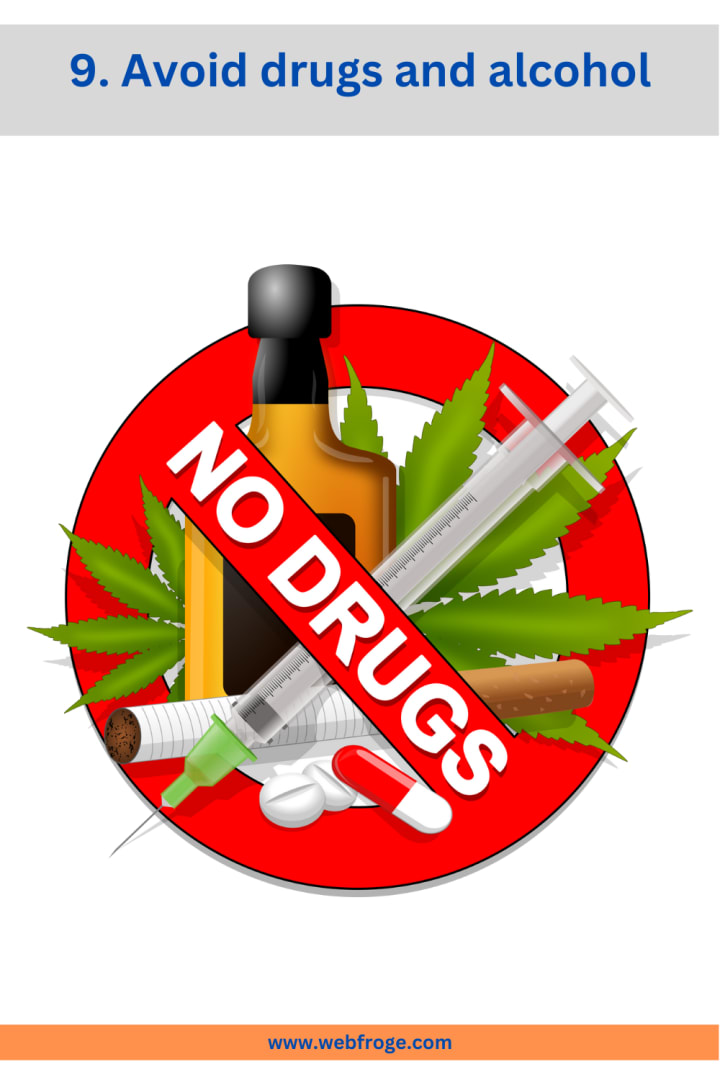
In addition to the potential negative impact on mental health, substance abuse can also have a range of physical health consequences, such as increased risk of heart disease, liver damage, and addiction.
To avoid the dangers of substance abuse in depression, it is important to seek help and support from trusted friends, family members, and mental health professionals. This can include finding alternative forms of self-care, such as exercise, mindfulness, and hobbies, and exploring alternative treatments, such as therapy or medication.
It is also important to be honest with yourself and loved ones about your substance use and to seek help if you are struggling with addiction. This can include seeking treatment at a rehabilitation center or participating in support groups, such as Alcoholics Anonymous or Narcotics Anonymous.
So, if you are struggling with depression and substance abuse, it is essential to avoid drugs and alcohol and seek help from trusted sources. By doing so, you can take control of your mental and physical health and work towards a brighter and more fulfilling future.
10. Challenge negative thoughts with positive self-talk
Overcoming Negative Thoughts with Positive Self-Talk: A Key Strategy in Fighting Depression
Depression can often be accompanied by negative and self-defeating thoughts, such as feelings of worthlessness and hopelessness. However, by challenging these thoughts with positive self-talk, individuals can start to reframe their thinking and improve their overall mental well-being.
Positive self-talk involves speaking to yourself in a supportive and encouraging manner, much like you would to a good friend. This can include recognizing your strengths and accomplishments, focusing on the present moment, and reframing negative thoughts in a more positive light.

For example, instead of thinking “I’m a failure,” try reframing the thought to “I may have made a mistake, but I will learn from it and do better next time.” By focusing on the positive aspects of a situation and being kind to yourself, you can start to shift your thinking from negative to positive.
Positive self-talk can also be enhanced through techniques such as mindfulness, visualization, and affirmations. These practices can help to reduce anxiety and negative thinking patterns and increase feelings of calm and well-being.
It is important to note that changing negative thought patterns can be a challenging process and may take time. However, by practicing positive self-talk regularly and seeking support from trusted friends, family members, or mental health professionals, individuals can start to experience the benefits of this powerful strategy in fighting depression.
So, if you are struggling with negative thoughts and depression, try incorporating positive self-talk into your daily routine. By doing so, you can start to shift your thinking, improve your mental well-being, and work towards a brighter and more fulfilling future.
11. Volunteer or help others
The Power of Giving: How Volunteering and Helping Others Can Benefit Those Struggling with Depression
Depression can often lead to feelings of isolation and hopelessness, but volunteering and helping others can serve as a powerful antidote to these negative feelings. By giving back to others and making a positive impact, individuals can boost their self-esteem, feel a sense of purpose, and improve their overall mental well-being.
Volunteering provides individuals with opportunities to connect with others, build relationships, and feel a sense of accomplishment. It can also give individuals a sense of purpose and help to shift their focus from their own problems to the needs of others.

In addition, helping others can have a profound impact on mental health, by providing a sense of meaning and fulfillment, reducing feelings of anxiety and stress, and increasing feelings of happiness and well-being.
It is important to note that volunteering and helping others can take many forms, from volunteering at a local charity or food bank, to helping out a friend or neighbor in need. The key is to find a way to give that feels meaningful and fulfilling to you, and that allows you to connect with others in a positive way.
So, if you are struggling with depression, consider the power of giving. By volunteering or helping others, you can start to experience the benefits of this positive and impactful activity, and work towards a brighter and more fulfilling future.
12. Practice good self-care habits
The Importance of Good Self-Care Habits in Overcoming Depression
Depression can take a toll on both physical and mental health, making it all the more important to engage in good self-care habits. Self-care refers to the actions and practices that individuals engage in to care for their physical, emotional, and mental well-being.
Good self-care habits can include:
- Eating a healthy diet
- Exercising regularly
- Getting adequate sleep
- Engaging in activities you enjoy or find fulfilling
- Practicing mindfulness and relaxation techniques
- Seeking professional help, such as therapy or medication
- Avoiding drugs and alcohol
- Challenging negative thoughts with positive self-talk
- Connecting with others and building supportive relationships
- Practice good self-care habits

By engaging in good self-care habits, individuals can start to experience the benefits of improved physical and mental health, including reduced stress, increased energy and vitality, and improved mood.
It is important to note that self-care is a ongoing process and requires dedication and effort. However, by making self-care a priority, individuals can start to experience the positive effects of this powerful strategy in overcoming depression.
So, if you are struggling with depression, consider making self-care a priority in your life. By engaging in good self-care habits, you can start to experience the benefits of improved physical and mental health, and work towards a brighter and more fulfilling future.
13. Find purpose and meaning in life
The Search for Purpose and Meaning: How Finding Your Why Can Help Overcome Depression
Depression can often leave individuals feeling lost and without a sense of purpose or direction. However, finding purpose and meaning in life can serve as a powerful tool in overcoming depression.
Discovering one’s purpose can involve exploring different interests and passions, trying new experiences, and finding what brings joy and fulfillment to life. This process can also involve connecting with others and making a positive impact in the world, which can help to increase feelings of self-worth and self-esteem.

In addition, having a clear sense of purpose can give individuals a sense of direction and focus, helping to reduce feelings of hopelessness and anxiety. It can also provide individuals with a sense of meaning and fulfillment, which can have a profound impact on mental well-being.
Finding purpose and meaning in life is a personal journey and may take time. However, by being open to new experiences and exploring what brings joy and fulfillment, individuals can start to discover their why and find a sense of purpose in life.
So, if you are struggling with depression, consider making the search for purpose and meaning a priority in your life. By discovering your why, you can start to experience the benefits of a fulfilling and purposeful life, and work towards a brighter and more hopeful future.
14. Reduce stress and simplify your life
Simplifying Your Life: The Power of Reducing Stress to Overcome Depression
Stress can be a major trigger for depression, making it all the more important to prioritize reducing stress in our lives. Simplifying your life can be a powerful tool in reducing stress and improving mental well-being.
Ways to simplify your life and reduce stress can include:
- Setting achievable goals and focusing on your accomplishments
- Engaging in activities you enjoy or find fulfilling
- Practicing mindfulness and relaxation techniques
- Avoiding drugs and alcohol
- Challenging negative thoughts with positive self-talk
- Seeking professional help, such as therapy or medication
- Connecting with others and building supportive relationships
- Engaging in good self-care habits, such as exercise and healthy eating
- Reduce stress and simplify your life

By simplifying your life and reducing stress, individuals can start to experience the benefits of improved mental well-being, including reduced anxiety and improved mood.
It is important to note that simplifying your life is an ongoing process and requires effort and dedication. However, by making the reduction of stress a priority, individuals can start to experience the positive effects of this powerful tool in overcoming depression.
So, if you are struggling with depression, consider simplifying your life and reducing stress. By prioritizing this powerful strategy, you can start to experience the benefits of improved mental well-being and work towards a brighter and more fulfilling future.
15. Seek support from family, friends, or a support group
The Power of Support: How Connecting with Loved Ones Can Help Overcome Depression.
Depression can often leave individuals feeling isolated and alone, making it all the more important to seek support from loved ones. Whether it be through family, friends, or a support group, connecting with others can be a powerful tool in overcoming depression.
Having a strong support system can help individuals feel heard and understood, reducing feelings of loneliness and increasing feelings of self-worth. It can also provide individuals with a sense of connection and belonging, which can have a profound impact on mental well-being.

Support can come in many forms, such as:
- Talking with a close friend or family member
- Joining a support group or therapy group
- Seeking professional help, such as therapy or medication
- Engaging in activities with loved ones, such as hobbies or volunteer work
- Seek support from family, friends, or a support group
It is important to seek support from people who are understanding and non-judgmental, and who are willing to listen and support you through your journey.
So, if you are struggling with depression, consider seeking support from loved ones. By connecting with others and building a strong support system, you can start to experience the benefits of improved mental well-being and work towards a brighter and more hopeful future.
Article Source : https://webfroge.com/overcoming-depression/
About the Creator
Morttuza Kamal
Life is Beautiful.... If you can see....
Keep reading
More stories from Morttuza Kamal and writers in Motivation and other communities.
Affection and Healing for Yourself
During the night of the last quarter moon, I gathered my ritual supplies. I carefully handled the chunk of black tourmaline that would protect me from your overall negative and narcissistic energy. I carefully walked the house with my stick of selenite in hand, asking the universe to cleanse our working space.
By Alisha Wilkins ✒️🦋🖋️4 days ago in Fiction




Comments
There are no comments for this story
Be the first to respond and start the conversation.