
Unleashing the Secrets of Super-Agers: The Fountain of Youth for the Brain
Discover the keys to maintaining cognitive sharpness and mental agility as you age, with insights from the intriguing world of super-agers.

Introduction
As the global population continues to age, maintaining mental acuity and cognitive health in our later years has become a top priority for many. The key to a vibrant mind and fulfilling life seems to reside in the fascinating realm of super-agers, a distinct group of elderly individuals who demonstrate incredible cognitive abilities, challenging the conventional expectations of cognitive aging.
Unveiling Super-Agers
Superagers are individuals aged 70 and above who display cognitive performance equivalent to or surpassing that of people decades younger. These exceptional seniors exhibit extraordinary memory, attention, and problem-solving skills while sidestepping the cognitive decline usually associated with aging. Superagers have captivated the attention of researchers worldwide as they strive to uncover the secrets behind their remarkable mental longevity.
The Science Behind Superagers
Understanding the biological and physiological factors that contribute to super-agers' cognitive prowess can provide valuable insights into how we can preserve our cognitive abilities as we age. Recent research has identified several key factors that seem to play a role in the development and maintenance of cognitive health in super-agers:
Brain Structure
Studies have shown that super-agers have thicker brain cortices, particularly in regions associated with memory and higher-order cognitive functions. Additionally, their brains exhibit fewer age-related changes, such as reduced shrinkage and accumulation of amyloid plaques (associated with Alzheimer's disease). These structural differences may contribute to their exceptional cognitive abilities.
Cognitive Reserve
Cognitive reserve refers to the brain's ability to adapt and compensate for age-related changes by utilizing alternative networks or cognitive strategies. Super-agers seem to have a more extensive cognitive reserve, allowing them to maintain cognitive performance despite the typical age-related decline in brain function.
Neuroplasticity
Neuroplasticity is the ability of the brain to reorganize and adapt by forming new connections between neurons. This process is essential for learning and memory and can be influenced by genetics, environment, and lifestyle factors. Superagers tend to have enhanced neuroplasticity, enabling them to maintain cognitive function as they age.
Genetic Factors
Some studies have suggested that super-agers may possess specific genetic variants contributing to their exceptional cognitive abilities. These genetic factors may influence brain structure, cognitive reserve, and neuroplasticity, providing a potential biological basis for their extraordinary mental agility.
Unlocking the Superager Lifestyle
While genetics may play a role in the cognitive abilities of super-agers, lifestyle choices and environmental factors have also been shown to influence cognitive health significantly. By adopting certain habits and practices, we can all work towards maintaining mental sharpness and cognitive function as we age:

Exercise Regularly
Physical activity has been linked to improved cognitive function and a reduced risk of cognitive decline. Regular exercise increases blood flow to the brain, promotes the release of growth factors, and enhances neuroplasticity. Aim for at least 150 minutes of moderate-intensity aerobic activity or 75 minutes of vigorous-intensity activity per week, along with muscle-strengthening activities on two or more days per week.

Engage in Lifelong Learning
Continuing to challenge your brain with new and complex tasks throughout your life can help maintain cognitive function and enhance cognitive reserve.
Pursue intellectual activities, such as learning a new language, playing a musical instrument, or engaging in hobbies that require mental effort, like puzzles, strategy games, or creative arts.
These pursuits will keep your mind sharp and help stave off cognitive decline.

Foster Social Connections
Strong social networks have been linked to better cognitive health, as they provide intellectual stimulation, emotional support, and a sense of purpose.
Engage in social activities, join clubs or community organizations, and maintain meaningful relationships with family and friends. These connections can contribute to a resilient and cognitively healthy brain.
Maintain a Balanced Diet
A nutritious diet plays a crucial role in overall brain health. The Mediterranean and MIND (Mediterranean-DASH Intervention for Neurodegenerative Delay) diets have been associated with a reduced risk of cognitive decline and dementia.
These diets emphasize whole grains, fruits, vegetables, legumes, nuts, and healthy fats while limiting red meat, refined sugars, and processed foods.
Prioritize Sleep
Quality sleep is essential for cognitive function, allowing the brain to repair and consolidate memories.
Strive for 7-9 hours of sleep per night, and practice good sleep hygiene by creating a consistent sleep schedule, fostering a relaxing bedtime routine, and maintaining a sleep-friendly environment.
Manage Stress
Chronic stress can negatively impact cognitive health and increase the risk of age-related cognitive decline. Practice stress-reduction techniques, such as mindfulness meditation, yoga, or tai chi, to foster relaxation and enhance cognitive resilience.
Stimulate the Brain with Cognitive Training
Cognitive training exercises like memory games, problem-solving tasks, and attention drills can help improve cognitive function and slow cognitive decline. These activities can strengthen neural connections, enhance cognitive reserve, and promote neuroplasticity.
Conclusion
The secrets of super-agers provide invaluable insights into how we can maintain cognitive sharpness and mental agility as we age.
By adopting the practices and habits observed in these extraordinary individuals, we can work towards a more fulfilling and cognitively vibrant life in our golden years.
Embracing lifelong learning, staying physically and socially active, nurturing a healthy diet, prioritizing sleep, managing stress, and engaging in cognitive training can all contribute to a resilient and healthy brain.
While the fountain of youth may remain elusive, super-agers' secrets offer us a roadmap to a more vibrant and mentally agile future.
About the Creator
Keep reading
More stories from Cosmin Min and writers in Longevity and other communities.
Day 4 of Quitting
If this is how sobriety feels, maybe it’s better to go through life a little buzzed… this, along with other hits like, I want to kill myself, I wish I was dead, and I’m going to throw myself off a bridge have been the only thoughts on rotation these past few days. I promise myself that if, in a month, I still feel like this (‘this’ meaning despondent, full of rage, and simultaneously numb) I can go back to smoking. Until mid-February though? Nicotine is off the table.
By sleepy drafts13 days ago in Longevity
More Than 5 Million Native Plants Reintroduced in Deserts Are Slowing Land Degradation and Rebooting Arid Ecosystems
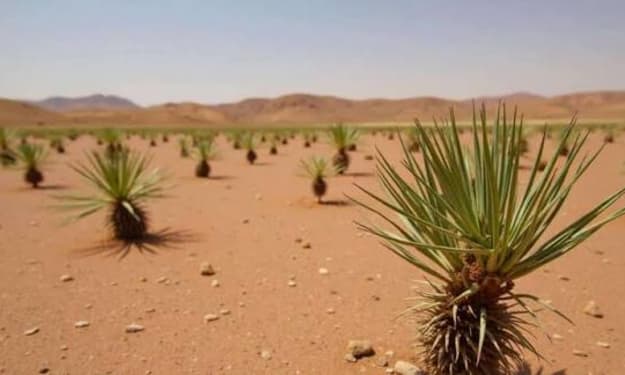
Deserts are often seen as barren, unforgiving landscapes, but they are far from lifeless. These ecosystems, while harsh, support unique biodiversity and provide critical environmental services, from carbon sequestration to regulating local climates. Yet, decades of overgrazing, unsustainable land use, and climate change have taken their toll, leaving many arid regions struggling with soil erosion, loss of native vegetation, and diminished ecological resilience. Now, a bold rewilding effort is turning the tide: over five million native plants have been reintroduced into deserts worldwide, and the early results are promising. The scale of the initiative Across regions from the deserts of the Middle East and North Africa to the arid plains of Australia and North America, conservation organizations, local communities, and governments have collaborated to replant native species that were once nearly wiped out. These plants range from hardy shrubs and grasses to iconic desert flowers, all carefully selected for their ability to survive in extreme conditions and restore ecological balance. The numbers are staggering: more than 5 million individual plants have been transplanted over the last five years, covering thousands of hectares. While this effort is labor-intensive, involving soil preparation, irrigation during establishment phases, and ongoing monitoring, the environmental payoff has been remarkable. Slowing land degradation One of the primary goals of these reintroductions is to combat land degradation, a process that affects over 40% of the planet’s land surface. In deserts, degradation is particularly acute because soil erosion occurs rapidly in the absence of stabilizing vegetation. Without plants to anchor the soil, wind and water can strip away fertile topsoil, creating a feedback loop of declining vegetation and worsening erosion. Early monitoring reports suggest that reintroduced native plants are helping to stabilize sandy soils and reduce the spread of desertification. In some areas of the Middle East, for instance, wind erosion rates have decreased by up to 30% in regions where shrubs and grasses were replanted. This stabilization not only benefits the environment but also local communities that rely on the land for grazing, agriculture, and other livelihoods. Rebooting arid ecosystems Beyond slowing soil loss, these plant reintroductions are rebooting entire desert ecosystems. Deserts are home to a diverse array of wildlife, including insects, birds, and mammals that rely on native plants for food and shelter. By re-establishing vegetation cover, these efforts have triggered a cascade of ecological benefits. In parts of the Sonoran Desert in North America, researchers observed a noticeable increase in pollinator populations, such as bees and butterflies, following the reintroduction of native flowering plants. Similarly, small mammals and reptiles that had disappeared from degraded areas are gradually returning, attracted by improved habitat structure and food availability. Climate resilience Another key advantage of reintroducing native plants is enhancing climate resilience. Many desert plants are adapted to survive extreme heat, drought, and poor soils. By re-establishing these species, ecosystems can better withstand climate-related stresses, such as prolonged droughts or extreme heatwaves. Additionally, some species improve soil moisture retention and reduce surface temperatures, creating microclimates that further support biodiversity. Community engagement and knowledge transfer What makes these rewilding efforts particularly successful is the integration of local communities. Indigenous knowledge about native species, planting techniques, and seasonal cycles has been invaluable. In some regions, schools and community groups participate in planting days, turning conservation into a source of pride and education. This engagement ensures that restored areas are maintained, monitored, and valued over the long term. Looking ahead While the reintroduction of five million native plants is a significant achievement, experts caution that long-term success requires continued investment, monitoring, and protection from overgrazing, development, and climate pressures. However, the initiative provides a compelling example of how targeted, science-backed restoration can reverse environmental damage. For arid ecosystems, these efforts are more than just planting trees and shrubs—they represent hope. They demonstrate that even the most fragile landscapes can recover when humans actively collaborate with nature, restoring not only plants but the entire web of life that depends on them. As the world grapples with climate change and land degradation, the lessons from these desert rewilding projects offer a blueprint for action: by investing in native biodiversity, we can slow degradation, rebuild ecosystems, and create landscapes that are resilient, productive, and teeming with life once again.
By Fiaz Ahmed Brohi5 days ago in Longevity
Wild Card Weekend Recap: What Happens Now?
I think I figured out why I love Wild Card Weekend so much. It's because it's the first playoff anything of the calendar year. The NFL season starts in the fall, and once upon a time, the champion was crowned either on or slightly before New Year's. The evolution of the NFL schedule has resulted in the playoffs starting just into the New Year, and currently, the final week of the season falls on the first weekend of the New Year, with Wild Card Weekend coming a week after that. So yes, chronologically, the NFL's Wild Card Weekend serves as the first playoff anything of the calendar year.
By Clyde E. Dawkins7 days ago in Unbalanced



Comments
There are no comments for this story
Be the first to respond and start the conversation.