
Yoga for Women: Enhancing Flexibility, Strength, and Inner Peace
Exploring the Physical and Mental Benefits of a Consistent Yoga Practice

Introduction
Yoga is an ancient practice that has stood the test of time, offering countless benefits to those who embrace its teachings.
For women, yoga can provide a holistic approach to fitness, encompassing not only physical benefits but mental and emotional well-being as well.
This comprehensive guide will delve into the world of yoga for women, highlighting the benefits of a consistent practice and offering tips for getting started on your yoga journey.
Discover how yoga can enhance your flexibility, strength, and inner peace, helping you become the best version of yourself.
- The Origins and Philosophy of Yoga
Yoga originated in ancient India over 5,000 years ago as a spiritual practice focused on achieving union between the mind, body, and spirit.
Derived from the Sanskrit word "Yuj," meaning "to yoke" or "to unite," yoga seeks to create harmony and balance within the practitioner.
Today, yoga has evolved to encompass various styles and techniques, focusing on physical postures (asanas), breath control (pranayama), and meditation (dhyana) as a means to promote overall health and well-being.
- The Benefits of Yoga for Women
Yoga offers a wide range of benefits for women, addressing the unique physical, emotional, and mental needs of the female body and mind:
a. Increased flexibility: Yoga asanas help to stretch and lengthen muscles, increasing flexibility and range of motion over time.
b. Improved strength: Many yoga postures require the use of body weight as resistance, helping to build strength and tone muscles.
c. Enhanced posture and body awareness: Yoga encourages mindfulness and awareness of body alignment, leading to improved posture and greater body awareness in everyday life.
d. Reduced stress and anxiety: Yoga's focus on breath control and meditation helps to calm the mind, reduce stress, and promote relaxation.
e. Better sleep: The relaxation and stress-relief aspects of yoga can lead to improved sleep quality and duration.
f. Hormonal balance: Certain yoga postures and breathing techniques can help balance hormonal levels, addressing issues such as PMS, menopause, and thyroid imbalances.
g. Weight management: A regular yoga practice, combined with a balanced diet, can contribute to healthy weight management and overall fitness.
- Getting Started with Yoga: Styles and Tips for Beginners
With various styles of yoga available, it's essential to find one that resonates with your needs and preferences. Here are some popular yoga styles to consider:
a. Hatha: Hatha yoga is often considered the foundation for many other styles, focusing on a combination of asanas, pranayama, and meditation. It is typically slower-paced and suitable for beginners.
b. Vinyasa: Vinyasa yoga involves a dynamic flow between postures, synchronized with the breath. It is more vigorous than Hatha yoga and can provide a cardiovascular workout.
c. Yin: Yin yoga is a slow, restorative practice that involves holding passive postures for extended periods, often supported by props. It focuses on deepening flexibility and relaxation.
d. Ashtanga: Ashtanga yoga is a rigorous, structured practice that follows a specific sequence of postures, linking movement with breath. It is suitable for more experienced practitioners or those seeking a physical challenge.
e. Kundalini: Kundalini yoga combines asanas, breathwork, meditation, and chanting to awaken the Kundalini energy at the base of the spine. It is a more spiritual practice, focusing on self-awareness and transformation.
- When starting your yoga journey, consider these tips:
a. Find a qualified instructor: Seek guidance from a certified yoga teacher who can help you establish a solid foundation in your chosen style and provide personalized guidance based on your needs and goals.
b. Listen to your body: Honor your body's limitations and progress at your own pace. Avoid pushing yourself too hard or comparing yourself to others.
c. Begin with the basics: Start with foundational poses and gradually progress to more advanced postures as you become more comfortable and confident in your practice.
d. Create a consistent practice: Aim to practice yoga consistently, ideally 3-5 times per week, to experience the full benefits and develop a deeper connection with your body and mind.
e. Be patient and open-minded: Yoga is a lifelong journey of self-discovery, growth, and transformation. Be patient with your progress and remain open to new experiences and insights.
- A Sample Yoga Sequence for Women
This beginner-friendly yoga sequence focuses on enhancing flexibility, strength, and relaxation. Hold each pose for 5-10 breaths, focusing on your breath and alignment.
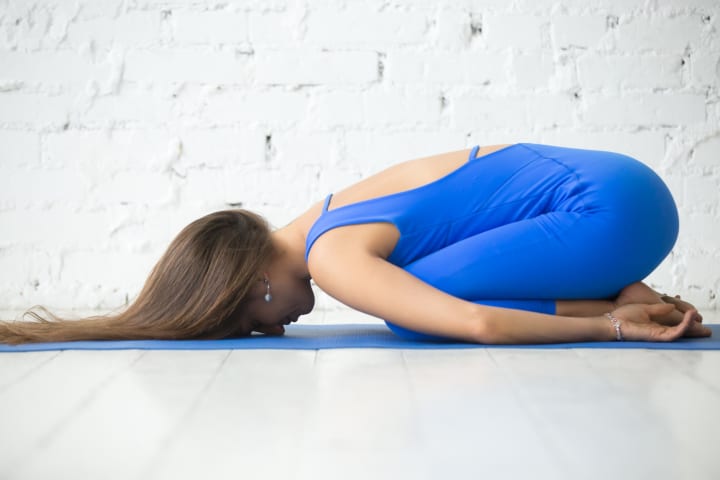
Child's Pose (Balasana): A gentle, restorative pose that stretches the hips, thighs, and back while promoting relaxation.
Cat-Cow Pose (Marjaryasana-Bitilasana): A dynamic movement that helps to stretch and strengthen the spine while releasing tension in the neck and shoulders.

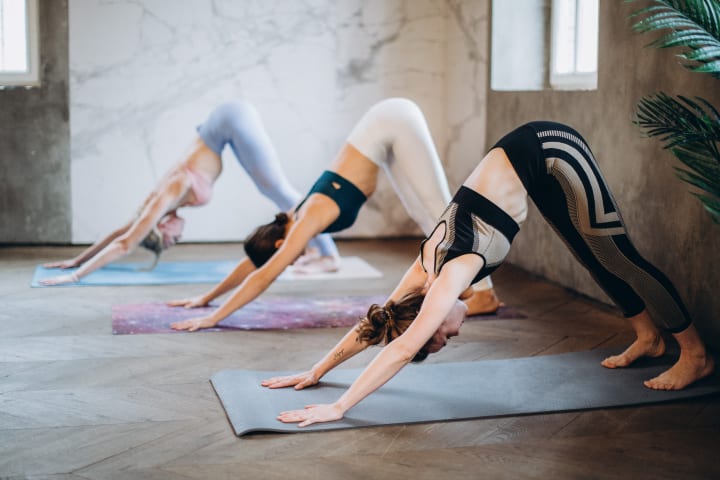
Downward-Facing Dog (Adho Mukha Svanasana): An inversion that stretches the hamstrings, calves, and shoulders while building upper body strength.
Warrior II (Virabhadrasana II): A standing pose that strengthens the legs, hips, and core while opening the chest and shoulders.

Triangle Pose (Trikonasana): A standing pose that stretches the hips, groin, and hamstrings while strengthening the legs and core.

Seated Forward Bend (Paschimottanasana): A seated pose that stretches the hamstrings, lower back, and spine while promoting relaxation.

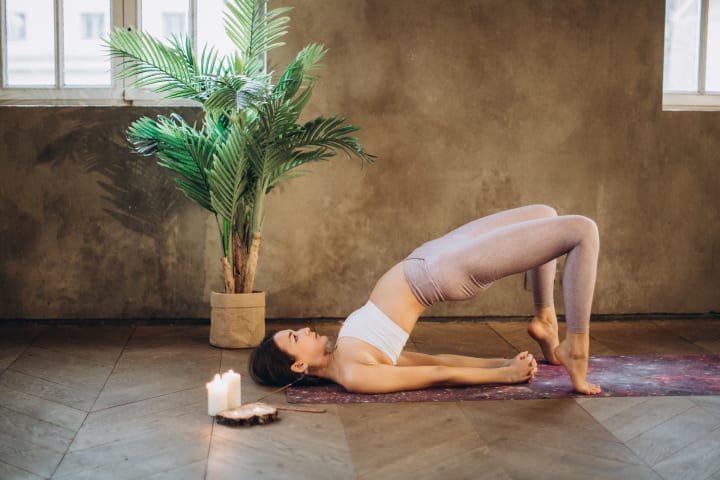
Bridge Pose (Setu Bandha Sarvangasana): A gentle backbend that strengthens the glutes, hamstrings, and lower back while stretching the chest, neck, and spine.
Legs-Up-the-Wall Pose (Viparita Karani): A restorative inversion that helps to alleviate fatigue, reduce swelling in the legs, and promote relaxation.

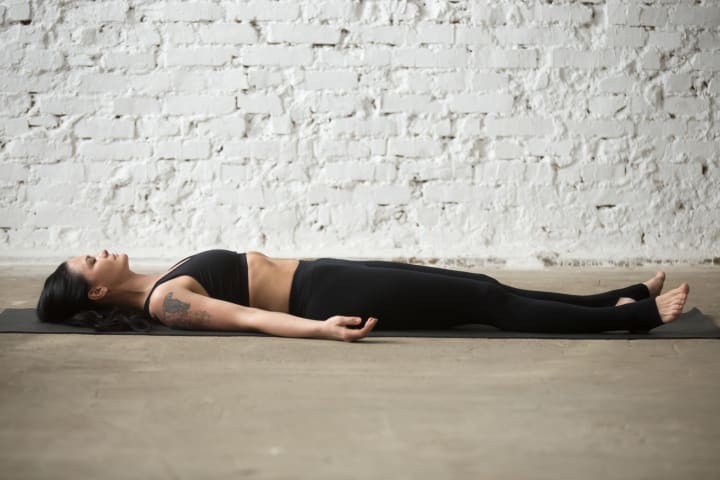
Corpse Pose (Savasana): A relaxation pose that allows the body and mind to fully rest and absorb the benefits of the practice.
Conclusion
Yoga offers a holistic approach to fitness for women, addressing the unique needs of the female body and mind while promoting overall health and well-being.
By exploring the various styles of yoga and incorporating consistent practice into your daily routine, you can enhance your flexibility, strength, and inner peace.
Embrace the journey of self-discovery and transformation, and experience the profound benefits of yoga for yourself.
About the Creator
Keep reading
More stories from Cosmin Min and writers in Longevity and other communities.
Unleashing Your Inner Athlete: The Ultimate Guide to the Best Fitness Exercises for Women
Introduction Physical fitness is an essential aspect of overall health and well-being for women of all ages. Engaging in regular exercise can help improve cardiovascular health, increase strength, enhance flexibility, and promote mental well-being.
By Cosmin Min3 years ago in Longevity
How to Create a Relaxing Spa Environment with Himalayan Salt Wall Panels
Creating a relaxing spa environment requires more than soft music and essential oils. Interior design plays a crucial role in shaping how clients feel the moment they enter a space. Himalayan salt wall panels have been integrated into a highly significant design component in contemporary wellness buildings due to their integration of natural beauty with relaxing light. These tiles are salt bricks and Himalayan salt tiles and are used to create warmth and texture and a therapeutic atmosphere, which is completely in line with spa and wellness settings. Their natural pink and amber colors immediately transform the interiors to make treatment rooms calm and friendly.
By David Smith5 days ago in Longevity
Why Your Brain Feels Foggy During the Day
Why Your Brain Feels Foggy? Have you ever sat in class or tried to study, only to realize that your brain just isn’t cooperating? You read the same sentence three times, struggle to focus, and feel mentally drained even though the day has barely started. Many students experience this feeling, often described as “brain fog.”
By Being Inquisitiveabout 3 hours ago in Longevity




Comments
There are no comments for this story
Be the first to respond and start the conversation.