
More Than 5 Million Native Plants Reintroduced in Deserts Are Slowing Land Degradation and Rebooting Arid Ecosystems
Amid escalating tensions, Greenland’s prime minister reaffirms NATO ties as Trump’s threats spark international concern”

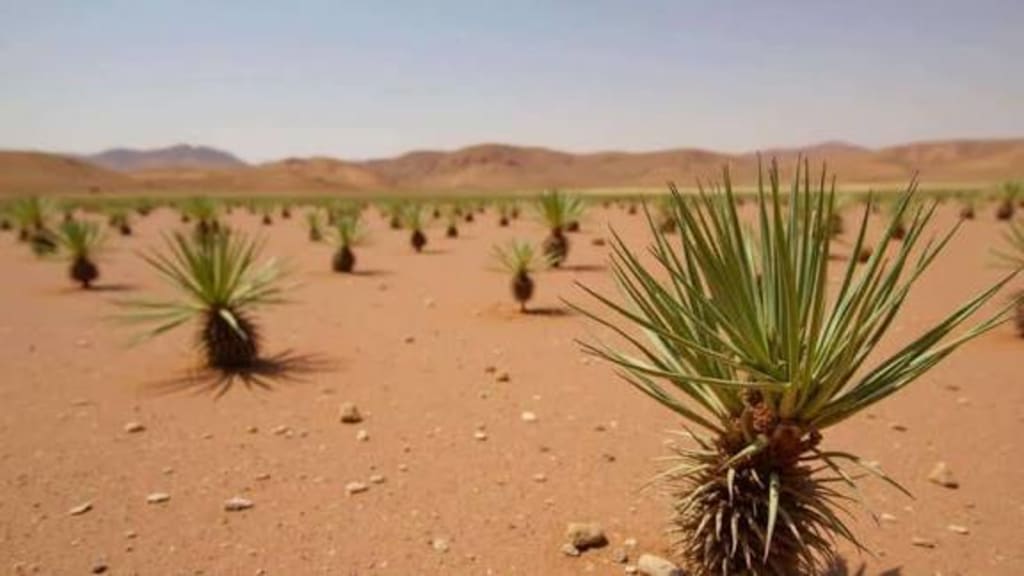
Deserts are often seen as barren, unforgiving landscapes, but they are far from lifeless. These ecosystems, while harsh, support unique biodiversity and provide critical environmental services, from carbon sequestration to regulating local climates. Yet, decades of overgrazing, unsustainable land use, and climate change have taken their toll, leaving many arid regions struggling with soil erosion, loss of native vegetation, and diminished ecological resilience. Now, a bold rewilding effort is turning the tide: over five million native plants have been reintroduced into deserts worldwide, and the early results are promising.
The scale of the initiative
Across regions from the deserts of the Middle East and North Africa to the arid plains of Australia and North America, conservation organizations, local communities, and governments have collaborated to replant native species that were once nearly wiped out. These plants range from hardy shrubs and grasses to iconic desert flowers, all carefully selected for their ability to survive in extreme conditions and restore ecological balance.
The numbers are staggering: more than 5 million individual plants have been transplanted over the last five years, covering thousands of hectares. While this effort is labor-intensive, involving soil preparation, irrigation during establishment phases, and ongoing monitoring, the environmental payoff has been remarkable.
Slowing land degradation
One of the primary goals of these reintroductions is to combat land degradation, a process that affects over 40% of the planet’s land surface. In deserts, degradation is particularly acute because soil erosion occurs rapidly in the absence of stabilizing vegetation. Without plants to anchor the soil, wind and water can strip away fertile topsoil, creating a feedback loop of declining vegetation and worsening erosion.
Early monitoring reports suggest that reintroduced native plants are helping to stabilize sandy soils and reduce the spread of desertification. In some areas of the Middle East, for instance, wind erosion rates have decreased by up to 30% in regions where shrubs and grasses were replanted. This stabilization not only benefits the environment but also local communities that rely on the land for grazing, agriculture, and other livelihoods.
Rebooting arid ecosystems
Beyond slowing soil loss, these plant reintroductions are rebooting entire desert ecosystems. Deserts are home to a diverse array of wildlife, including insects, birds, and mammals that rely on native plants for food and shelter. By re-establishing vegetation cover, these efforts have triggered a cascade of ecological benefits.
In parts of the Sonoran Desert in North America, researchers observed a noticeable increase in pollinator populations, such as bees and butterflies, following the reintroduction of native flowering plants. Similarly, small mammals and reptiles that had disappeared from degraded areas are gradually returning, attracted by improved habitat structure and food availability.
Climate resilience
Another key advantage of reintroducing native plants is enhancing climate resilience. Many desert plants are adapted to survive extreme heat, drought, and poor soils. By re-establishing these species, ecosystems can better withstand climate-related stresses, such as prolonged droughts or extreme heatwaves. Additionally, some species improve soil moisture retention and reduce surface temperatures, creating microclimates that further support biodiversity.
Community engagement and knowledge transfer
What makes these rewilding efforts particularly successful is the integration of local communities. Indigenous knowledge about native species, planting techniques, and seasonal cycles has been invaluable. In some regions, schools and community groups participate in planting days, turning conservation into a source of pride and education. This engagement ensures that restored areas are maintained, monitored, and valued over the long term.
Looking ahead
While the reintroduction of five million native plants is a significant achievement, experts caution that long-term success requires continued investment, monitoring, and protection from overgrazing, development, and climate pressures. However, the initiative provides a compelling example of how targeted, science-backed restoration can reverse environmental damage.
For arid ecosystems, these efforts are more than just planting trees and shrubs—they represent hope. They demonstrate that even the most fragile landscapes can recover when humans actively collaborate with nature, restoring not only plants but the entire web of life that depends on them.
As the world grapples with climate change and land degradation, the lessons from these desert rewilding projects offer a blueprint for action: by investing in native biodiversity, we can slow degradation, rebuild ecosystems, and create landscapes that are resilient, productive, and teeming with life once again.
About the Creator
Fiaz Ahmed Brohi
I am a passionate writer with a love for exploring and creating content on trending topics. Always curious, always sharing stories that engage and inspire.
Keep reading
More stories from Fiaz Ahmed Brohi and writers in Longevity and other communities.
Forget Burj Khalifa and Shanghai Tower: Saudi Arabia Now Readies a Bold 1km-Tall Skyscraper
Saudi Arabia is once again turning heads in the world of architecture and urban development, this time with a plan that could redefine the global skyline. Forget the Burj Khalifa in Dubai or Shanghai Tower in China—both marvels of modern engineering. The Kingdom is reportedly preparing to construct a skyscraper that will soar an astonishing 1,000 meters (1 km) into the sky, setting a new benchmark for ambition and innovation. The announcement comes amid Saudi Arabia’s Vision 2030 initiative, a sweeping plan to diversify the country’s economy, reduce its dependence on oil, and establish itself as a hub for tourism, technology, and global investment. Building the world’s tallest skyscraper is both a symbol of national pride and a statement of intent, signaling Saudi Arabia’s desire to compete with other global metropolises in terms of architectural prowess and urban sophistication. The proposed tower, still in its early conceptual stages, promises to be a landmark on multiple fronts. Engineers and architects are reportedly exploring cutting-edge construction techniques, including ultra-lightweight materials, reinforced steel frameworks, and innovative wind-resistance systems. At 1 kilometer tall, the building will require a foundation capable of supporting immense weight while withstanding seismic activity and extreme weather conditions. The project is expected to push the boundaries of engineering much like the Burj Khalifa did when it was completed in 2010. Beyond engineering, the skyscraper is intended to be a multipurpose vertical city. Early designs suggest a combination of luxury residences, office spaces, hotels, observation decks, and entertainment facilities. Developers envision it as not just a building but a destination, capable of attracting tourists from around the globe while providing state-of-the-art amenities for residents and businesses. The concept of a self-contained vertical city is increasingly popular in mega-cities around the world, and Saudi Arabia aims to demonstrate that such ambition is possible in its own backyard. However, the challenges are significant. Constructing a 1 km skyscraper involves tackling wind forces that increase dramatically at higher altitudes, ensuring the safety and comfort of elevators over unprecedented heights, and creating systems to supply water, electricity, and emergency services efficiently. The logistics of construction, from transporting materials to coordinating thousands of workers, will require meticulous planning and the latest in project management technologies. Experts say that every detail, from the shape of the tower to its façade design, will be critical in ensuring that it is both structurally sound and visually iconic. Financial considerations are equally important. Mega-projects of this scale often require tens of billions of dollars in investment. Saudi Arabia has a track record of funding large-scale developments, from the futuristic city of NEOM to massive cultural and tourism projects. Yet, the economic viability of the skyscraper will depend on its ability to attract tenants, visitors, and businesses over the long term. Analysts suggest that incorporating mixed-use features and tourist attractions is key to making the investment sustainable. Culturally, the skyscraper represents a shift in perception for Saudi Arabia. Historically known for its conservative approach to urban development, the Kingdom is embracing bold, globally visible projects to enhance its soft power and showcase modernization. Such landmark buildings are more than infrastructure—they are symbols of ambition, progress, and technological prowess. If completed, the 1 km tower could redefine the city skyline, drawing comparisons not only to Dubai or Shanghai but to other global centers of innovation. Critics, however, have raised environmental concerns. The construction and maintenance of a super-tall skyscraper have significant energy demands and ecological footprints. Questions around sustainability, water use, and energy efficiency will be under scrutiny, particularly as Saudi Arabia positions itself as a player in renewable energy and environmental innovation. Integrating green technology, smart energy systems, and sustainable urban design will be crucial to ensuring that the project aligns with global expectations of responsible development. Despite these challenges, excitement is palpable. Architects, engineers, and urban planners worldwide are watching Saudi Arabia’s ambitions with keen interest. The project is expected to attract international expertise, foster innovation in construction technologies, and inspire a new generation of skyscraper designs. Beyond its physical stature, the tower promises to be a symbol of Saudi Arabia’s future—a bold statement that blends tradition with futuristic ambition. In a world where cities compete for global attention through landmarks and architecture, Saudi Arabia’s 1 km skyscraper could be the next iconic symbol. It reflects a country striving to diversify its economy, assert its presence on the global stage, and redefine what is possible in urban design. From the Burj Khalifa to the Shanghai Tower, the race for the sky has been ongoing—but Saudi Arabia may soon take it to an entirely new level.
By Fiaz Ahmed Brohi5 days ago in Longevity
Day 4 of Quitting
If this is how sobriety feels, maybe it’s better to go through life a little buzzed… this, along with other hits like, I want to kill myself, I wish I was dead, and I’m going to throw myself off a bridge have been the only thoughts on rotation these past few days. I promise myself that if, in a month, I still feel like this (‘this’ meaning despondent, full of rage, and simultaneously numb) I can go back to smoking. Until mid-February though? Nicotine is off the table.
By sleepy drafts12 days ago in Longevity
7 Foods to Limit If You Have High Blood Sugar
Key Takeaways White flour tortillas can be eaten in moderation or replaced with whole-grain or corn tortillas. Energy drinks often contain a lot of sugar and caffeine, which can raise blood sugar levels. Candy and other sugary desserts cause quick blood sugar spikes.
By Good health to everyone2 days ago in Longevity




Comments
There are no comments for this story
Be the first to respond and start the conversation.