
The Secret to a Longer Life May Lie in Your Plate: Why Plant-Based Protein Matters More Than You Think
New research reveals that prioritizing plant-based proteins over animal sources could significantly extend your lifespan—discover simple ways to make the shift today.

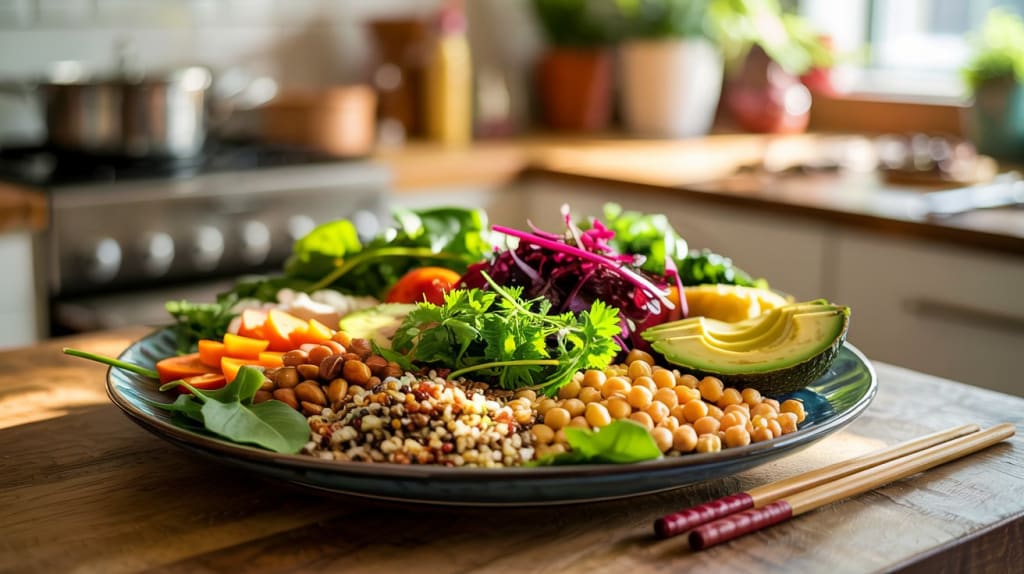
In today's fast-paced world, where people are constantly searching for the next big thing in health and longevity, a new study has unveiled a simple yet powerful truth: the type of protein you eat could significantly impact how long you live.
Recent research has shown that choosing plant-based proteins over animal proteins, especially red and processed meats, could increase your lifespan. This finding supports a growing body of evidence suggesting that what you put on your plate today can determine your health decades into the future.
The Study Behind the Buzz
The study, recently discussed by EatingWell, tracked the dietary habits of thousands of individuals over several decades. Researchers examined how different sources of protein affected overall mortality rates. What they found was compelling: people who consumed more plant proteins lived longer compared to those whose diets relied heavily on animal-based proteins.
Notably, individuals who regularly consumed legumes, nuts, seeds, and whole grains had a significantly lower risk of death from all causes, including heart disease and cancer. In contrast, high consumption of red meat and processed meats like bacon, sausage, and deli meats was associated with a higher risk of premature death.
Why Plant-Based Protein Promotes Longevity
The magic of plant proteins isn't just in the protein itself but in the nutritional package that comes with it. Plant-based protein sources are rich in fiber, antioxidants, vitamins, minerals, and healthy fats. These nutrients work together to reduce inflammation, improve heart health, stabilize blood sugar levels, and even lower cancer risk.
On the flip side, many animal proteins—particularly red and processed meats—come bundled with saturated fats, cholesterol, and potentially harmful preservatives. Over time, these compounds can increase inflammation, damage blood vessels, and raise the risk of chronic illnesses that shorten lifespan.
Fiber, in particular, plays a vital role. Unlike animal products, plant foods are naturally rich in fiber, which helps regulate digestion, supports a healthy gut microbiome, and contributes to lower cholesterol levels—all factors associated with longer, healthier lives.
It's Not About Going Vegan Overnight
One important takeaway from this research is that you don't have to give up all animal products to benefit. Even small changes, like swapping a few meat-based meals each week for plant-forward dishes, can make a noticeable difference over time.
For example, you could:
Replace ground beef with lentils or black beans in tacos.
Choose a chickpea salad sandwich instead of ham.Swap your morning eggs with a tofu scramble or overnight oats with almond butter.
Flexitarian diets, where plant-based meals dominate but occasional meat or fish is still enjoyed, are becoming increasingly popular—and science now shows that even a partial shift can boost longevity.
Specific Plant Proteins That Boost Health
Not all plant proteins are created equal. Some particularly powerful options include:
Lentils: Packed with protein, fiber, and iron, they’re a heart-healthy alternative to beef.
Chickpeas: Versatile and nutrient-rich, ideal for salads, soups, and hummus.
Quinoa: A complete protein that contains all nine essential amino acids.
Almonds and walnuts: High in healthy fats and protein, excellent for heart and brain health.
Tofu and tempeh: Great meat substitutes loaded with protein and essential minerals.
Incorporating a variety of these foods ensures you’re getting a full spectrum of amino acids, along with a wide range of other health-supportive nutrients.
Rethinking Protein: Quality Over Quantity
In the past, the focus was largely on getting enough protein. But today, the conversation has shifted toward getting the right kind of protein. Most Americans already consume more than enough protein daily; the real issue is the source.
By shifting your mindset from "how much" to "where from," you align your eating habits with the latest science showing that quality trumps quantity when it comes to protein and health.
A New Approach to Meal Planning
Making the switch doesn't have to be overwhelming. Here are a few simple strategies:
Start with one plant-based meal per day.
Batch cook grains and legumes at the start of the week for easy meals.
Explore global cuisines—many cultures, like Mediterranean, Indian, and Thai, naturally feature plant proteins.
Experiment with meatless versions of your favorite dishes.
Meal prepping and trying new recipes can make this journey exciting rather than restrictive.
Final Thoughts: Small Changes, Big Impact
The takeaway from this groundbreaking study is clear: your dietary choices today have a profound effect on your health tomorrow. By incorporating more plant-based proteins into your meals, you’re not just eating for energy—you’re eating for longevity, vitality, and a better quality of life.
You don't need to become a strict vegan or swear off your favorite steak forever. Instead, think of it as an opportunity to expand your menu, discover delicious new foods, and give your body the tools it needs to thrive for years to come.
In the end, health isn't about perfection—it’s about progression. Every plant-powered choice is a step toward a longer, healthier, and more vibrant life.
About the Creator
Tech Horizons
Exploring the future of technology, AI, gadgets, and innovations shaping tomorrow. Stay updated with Tech Horizons!
Keep reading
More stories from Tech Horizons and writers in Longevity and other communities.
Gut Doctor Says Eating Four Common Fruits Could Reduce Cancer Risk
In today’s health-conscious world, it's easy to get lost in a sea of superfoods, supplements, and trendy diets, all claiming to lower disease risks. But sometimes, the simplest solutions are sitting right in our fruit bowls. According to a gut health expert, eating just four common fruits could play a significant role in reducing your cancer risk — and they’re more accessible than you might think.
By Tech Horizons9 months ago in Longevity
Day 4 of Quitting
If this is how sobriety feels, maybe it’s better to go through life a little buzzed… this, along with other hits like, I want to kill myself, I wish I was dead, and I’m going to throw myself off a bridge have been the only thoughts on rotation these past few days. I promise myself that if, in a month, I still feel like this (‘this’ meaning despondent, full of rage, and simultaneously numb) I can go back to smoking. Until mid-February though? Nicotine is off the table.
By sleepy drafts12 days ago in Longevity
Herpes Simplex Virus Treatment Market Set for Strong Growth as Innovation and Awareness Rise (2025–2033)
Global Herpes Simplex Virus Treatment Market Outlook The global Herpes Simplex Virus (HSV) Treatment Market is undergoing a period of accelerated transformation, driven by rising awareness of sexually transmitted infections (STIs), expanding access to antiviral therapies, and growing investments in next-generation treatments. According to Renub Research, the market is expected to reach US$ 5.21 billion by 2033, up from US$ 2.62 billion in 2024, registering a robust CAGR of 7.94% from 2025 to 2033.
By Janine Root about 3 hours ago in Longevity


Comments
There are no comments for this story
Be the first to respond and start the conversation.