
The purpose and necessity of a pre-massage interview
An interview with a manager before a massage can help you achieve a better massage effect and minimize any variables that may arise during the massage.
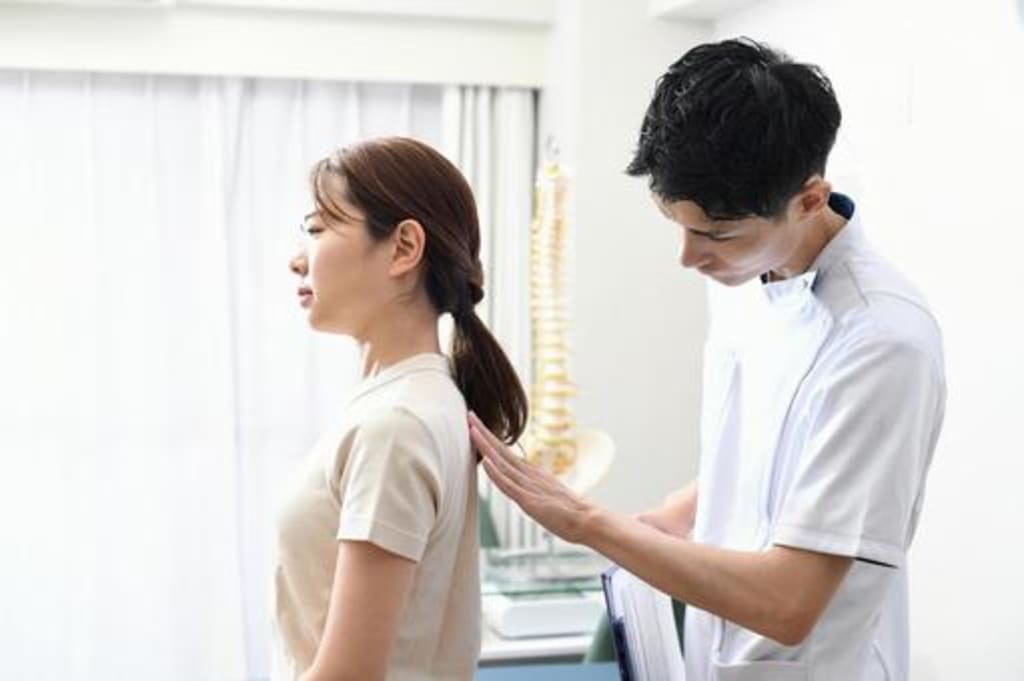
Introduction: Overview of the Pre-Massage Interview
Massage therapy is a therapeutic approach that specializes in working with the muscles and soft tissues of the body. It is a holistic healing method that aims to promote physical and mental well-being beyond simple relaxation. It offers a variety of health benefits, including stress reduction, improved blood circulation, muscle relaxation, and pain relief.
The pre-massage interview is a crucial initial step in this therapeutic process, the first meaningful interaction between the client and therapist. This interview is not simply a formal conversation; it is a crucial step in comprehensively assessing the individual's physical and psychological state and designing an optimized treatment approach.
This essay explores the essential importance of the pre-massage interview. Its primary focus is on: developing a personalized treatment plan, identifying potential health risks, building trust between the client and therapist, and maximizing the effectiveness of the treatment. Furthermore, it demonstrates that this interview is more than just a formality; it is a core element of professional massage therapy.
Developing a Personalized Treatment Plan
Success in massage therapy begins with a deep understanding of an individual's unique physical and psychological characteristics. Because each client has a unique health condition, body structure, stressors, and personal expectations regarding treatment, a standardized approach cannot guarantee optimal results.
The first step in developing a personalized treatment plan is comprehensive information gathering. This includes more than just a medical history; it also includes details about the client's daily life, physical activity, stress level, and specific pain or discomfort. For example, an office worker and an athlete may experience the same muscle pain, but the causes and treatment approaches may be fundamentally different.
The selection of the appropriate massage technique is based on this information. The choice of deep tissue massage, Swedish massage, sports massage, or relaxation techniques depends on the client's physical condition, treatment goals, and personal preferences.
Setting treatment goals is key to this process. Whether pain relief, stress reduction, improved athletic performance, or simply relaxation, each goal must be carefully defined and realistically aligned. This ensures the client has clear expectations and allows the therapist to provide a more focused and effective approach.
Ensuring Safety and Identifying Risk Factors
Ensuring the safety of massage therapy is a fundamental and crucial aspect of professional treatment. It is not a mere formality; it is an essential process directly related to the client's physical health.
Reviewing the client's medical history is the first step in identifying and preventing potential risks. Past injuries, chronic conditions, surgical history, and current medications are crucial information that determine the massage therapy approach. For example, clients who have recently undergone surgery or have certain cardiovascular conditions may not be able to utilize standard massage techniques.
Identifying contraindications and areas requiring caution is key to safe massage therapy. Areas with inflammation, fractures, or serious skin conditions may require special care or even complete avoidance during massage. This meticulous approach prevents unnecessary pain and additional health problems for the client.
A thorough pre-treatment assessment for allergies and skin sensitivities is also essential. Allergic reactions to massage oils, lotions, or other ancillary products can lead to serious skin problems or allergic reactions. Therefore, it is important to identify and address these potential risks through a pre-treatment interview.
In conclusion, ensuring safety in massage therapy goes beyond simple preventative measures and is a professional responsibility that protects the client's health and trust. A thorough and meticulous pre-treatment assessment lays the foundation for safe and effective massage therapy.
Building Trust and Psychological Preparation
Building trust is a key element of successful massage therapy. The rapport between the therapist and client goes beyond a simple professional relationship and forms the foundation for therapeutic communication. It plays a crucial role in creating an environment where the client feels physically and mentally safe and comfortable.
The therapist's attitude and approach during the first meeting significantly influences the client's anxiety. Many clients experience fear or discomfort with massage therapy, possibly due to concerns about physical contact, pain, or infringement on personal space. Therefore, the therapist must lower the client's emotional barriers with an empathetic and professional attitude.
Effective communication is key to building trust. The therapist must clearly and thoroughly explain the massage process, the techniques used, and the expected sensations and effects. This transparent communication provides the client with a sense of control and reduces anxiety about unexpected situations.
Obtaining consent is also crucial for building trust. Beyond mere legal requirements, the process must respect the client's autonomy and choice. Informed consent must be obtained for each treatment step, and the client's right to express discomfort or discontinue treatment at any time must be clearly communicated.
Creating a comfortable treatment environment is also crucial. A quiet, warm, and private space lowers the client's psychological defenses and increases their openness to treatment. Soft lighting, appropriate temperature, and soothing music can help relieve tension and promote relaxation.
Ultimately, building a trusting relationship in massage therapy is a key element in providing a holistic healing experience that goes beyond mere technical approaches. An approach that prioritizes the client's psychological safety and comfort leads to more effective and meaningful treatment.
Fulfilling Legal and Ethical Responsibilities
Fulfilling legal and ethical responsibilities in massage therapy is a fundamental and crucial aspect of professional medical service. Obtaining informed consent is not a mere formality; it is a fundamental legal requirement that respects the client's autonomy and rights.
Informed consent is the cornerstone of legal protection. The process of ensuring the client fully understands and voluntarily consents to all aspects of the treatment prevents potential legal disputes and clarifies the therapist's professional responsibilities. This provides clients with transparent information about the treatment process, expected outcomes, and potential risks, ensuring they can make informed decisions.
Privacy and confidentiality form the ethical foundation of massage therapy. Absolute confidentiality must be maintained for clients' medical history, personal information, and sensitive details shared during treatment. This is not only a legal obligation, but also a key element in maintaining a trusting relationship with clients.
Professional ethical obligations go beyond simply complying with legal requirements. Respecting clients' dignity, maintaining professional boundaries, and continuing professional development are fundamental ethical responsibilities of massage therapists. This commitment is to provide clients with the highest level of professional and compassionate service.
Maximizing Treatment Effectiveness
Maximizing the effectiveness of massage therapy begins with an accurate diagnosis. The initial interview is a crucial diagnostic tool that goes beyond a simple conversation and comprehensively assesses the client's physical and psychological state. Through this process, the therapist can identify the root cause of the client's symptoms and design the most appropriate treatment approach.
An accurate diagnosis directly determines the effectiveness of treatment. For example, symptoms that appear to be simple muscle pain may actually be the result of a serious structural problem or chronic stress. Therefore, a comprehensive initial assessment provides a deeper understanding beyond superficial symptoms.
Balancing client expectations with actual treatment possibilities is also important. Many clients have unrealistic expectations about massage therapy, and the initial interview provides an opportunity to adjust these expectations to reality. Therapists should clearly and openly communicate with clients about the potential benefits and limitations of the treatment.
Developing a long-term treatment plan is another important function of the initial interview. A consistent and systematic approach, rather than a one-time treatment, leads to better treatment outcomes. To achieve this, the therapist must comprehensively consider the client's overall health, lifestyle, and long-term health goals.
The importance of a personalized approach cannot be overemphasized. Each client has unique physical and psychological characteristics, and a standardized approach cannot guarantee optimal results. The detailed information gathered through the initial interview serves as a key foundation for developing a personalized treatment strategy.
Conclusion: The Comprehensive Value of the Pre-Massage Interview
The pre-massage interview carries complex value that goes far beyond a mere formality. It is an essential professional approach that accurately understands the client's physical and psychological needs and ensures safe and effective treatment.
The core value of the interview lies in creating a personalized therapeutic experience. By meticulously understanding each client's unique health status, physical characteristics, and treatment goals, therapists can tailor their approach to maximize the effectiveness of treatment. This provides an optimal therapeutic experience for clients and an opportunity for professional development for therapists.
Furthermore, this process significantly enhances the credibility and professionalism of the massage industry. A thorough pre-assessment, clear consent procedures, privacy protections, and ethical approach ensure clients feel safe and respected, while simultaneously demonstrating the therapist's expertise.
Ultimately, the pre-massage interview is more than just a communication tool; it is a core foundation of the holistic healing process. It represents a modern, comprehensive approach that considers the client's holistic well-being beyond physical treatment.
For more information on the career path of a professional massage therapist, including job openings and additional information, please click the link below. Massage Career Information
About the Creator
Mr. choi
I think you can enjoy sports more if you have basic knowledge about sports. I want to create opportunities to learn little by little. I want to provide information such as sports broadcasts and sports news.
Day 4 of Quitting
If this is how sobriety feels, maybe it’s better to go through life a little buzzed… this, along with other hits like, I want to kill myself, I wish I was dead, and I’m going to throw myself off a bridge have been the only thoughts on rotation these past few days. I promise myself that if, in a month, I still feel like this (‘this’ meaning despondent, full of rage, and simultaneously numb) I can go back to smoking. Until mid-February though? Nicotine is off the table.
By sleepy drafts11 days ago in Longevity
Hoodia: Once a Miracle Now a Mirage
A Miracle from the Desert? The Kalahari Desert in southern Africa is not the most hospitable place to live in. The vast region is arid and hot throughout most of the year, and the vegetation is sparse. Still, it is here where a particular plant that captured the attention of several dietary companies throughout the world.
By Dean Traylorabout 3 hours ago in Longevity


Comments (1)
Nice bro i like it we have to support each other are you agree with me?