
Analysis of the effectiveness of massage therapy for sports injuries
A study on the potential and effectiveness of massage therapy in sports injury settings.
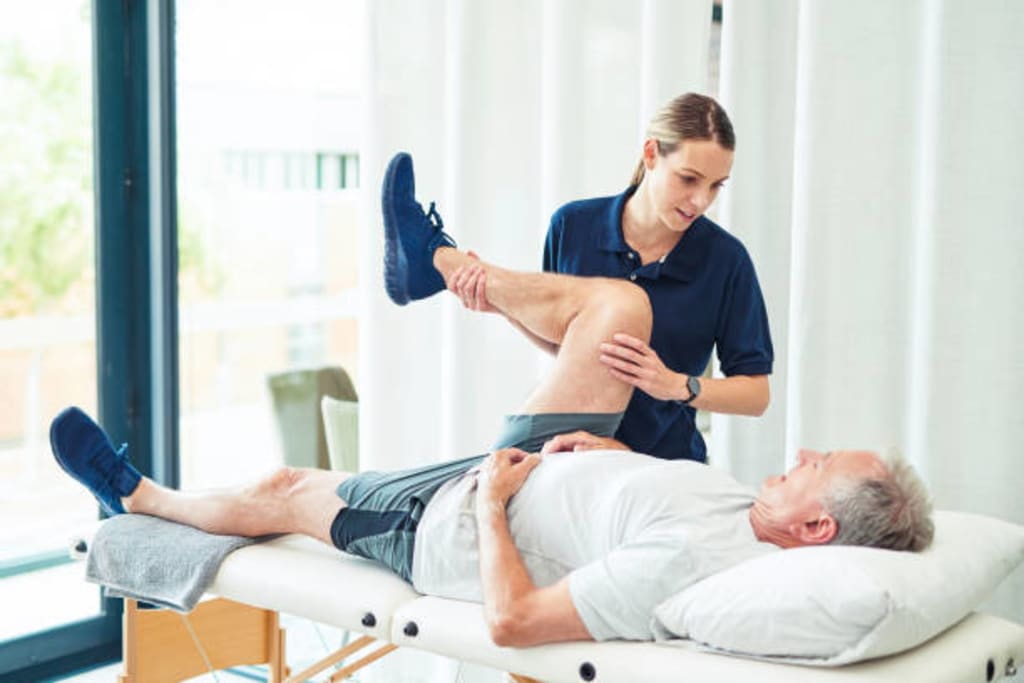
Introduction: The Relationship Between Sports Injuries and Massage Therapy
Sports challenges the physical limits of human beings, sometimes carrying the risk of serious injury. Injuries experienced by athletes can be broadly categorized as acute and chronic. Acute injuries are caused by sudden trauma, typically muscle sprains, ligament ruptures, and fractures. Chronic injuries, on the other hand, are caused by repetitive stress and overuse over a long period of time, including joint pain, stress fractures, and muscle imbalances.
Massage therapy is playing an increasingly important role in the management and treatment of these complex sports injuries. Beyond simple relaxation techniques, massage therapy is a specialized treatment method that promotes physical recovery and rehabilitation. It offers a variety of physiological benefits, including improved blood circulation, reduced inflammation, and increased muscle flexibility.
The primary purpose of this paper is to comprehensively analyze the potential impact of massage therapy on the management of sports injuries. Specifically, we will explore the effectiveness, application methods, and clinical implications of massage therapy across various injury types. By presenting the scientific basis for massage therapy in the field of sports medicine, we aim to provide insights that can contribute to the recovery and performance enhancement of athletes.
Basic Principles of Massage Therapy
The fundamental principle of massage therapy is to stimulate the body's natural healing mechanisms. Massage improves blood circulation, increasing the supply of nutrients and oxygen to injured muscles and tissues. It also stimulates the lymphatic system to remove inflammatory substances. This reduces swelling and accelerates the healing process.
Key massage techniques include Swedish massage, deep tissue massage, and sports massage. Sports massage is particularly effective in relieving muscle tension and improving flexibility in athletes. Deep tissue massage stimulates deep muscle layers, relieving chronic muscle pain and stiffness and helping to repair micro-tears in the muscles.
The physiological benefits of massage therapy go beyond simple relaxation and directly support the body's ability to heal. It increases muscle elasticity, prevents adhesions, and reduces stress hormones, promoting overall physical recovery.
Massage Therapy Benefits by Type of Sports Injury
Each sports injury requires a specialized massage approach. For muscle sprains, light strokes and circular massage techniques are effective in the early stages. These techniques promote blood circulation to the injured muscle fibers and control the inflammatory response, accelerating recovery.
In the treatment of ligament injuries, massage requires a more delicate and gentle approach. Gradually increasing the depth of massage techniques can restore tissue flexibility and support the realignment of fibrous tissue. Deep tissue massage, in particular, plays a crucial role in minimizing scar tissue formation and promoting functional recovery.
Lymphatic drainage massage techniques are particularly useful in the management of bruises and swelling. This technique reduces swelling and promotes the removal of inflammatory substances, promoting rapid recovery. Gentle pressure and directional massage strokes activate the body's natural healing mechanisms.
The massage approach for each injury type should be individualized and based on a professional assessment. Massage techniques should be carefully tailored to the athlete's specific condition, the severity of the injury, and the stage of recovery. This ensures optimal treatment results and safe rehabilitation.
Analyzing the Pros and Cons of Massage Therapy
While massage therapy offers unique and diverse benefits in the management of sports injuries, it also presents several significant limitations.
The primary advantage of massage therapy is its non-invasive and natural nature. Unlike surgery or potent medications, massage promotes the body's natural healing mechanisms and supports healing with minimal side effects. It can simultaneously provide a variety of physiological benefits, including improved blood circulation, reduced inflammation, and increased flexibility.
However, massage therapy also has some limitations. In cases of severe structural damage or acute inflammation, it can actually worsen the injury, so accurate diagnosis by a specialist and appropriate timing are crucial. Furthermore, treatment outcomes can vary depending on an individual's physical condition and the severity of the injury, making a one-size-fits-all approach risky.
Compared to other treatment modalities, massage therapy can complement physical therapy, acupuncture, and medication. It is particularly effective in restoring muscle flexibility and psychological relaxation during rehabilitation. However, serious injuries, such as fractures or severe ligament ruptures, may require surgical intervention or more aggressive medical treatment.
To maximize the effectiveness of massage therapy, the individual athlete's physical characteristics, injury type, and recovery stage must be comprehensively considered. Furthermore, massage therapy must be performed by a qualified professional massage therapist, and ongoing monitoring and a personalized approach are essential.
Application of Massage Therapy in Sports
In professional sports settings, massage therapy plays a vital role in athlete performance and health management. Pre-game massage improves muscle flexibility and relieves psychological stress, preparing the body for optimal physical condition. By increasing muscle temperature and improving blood circulation, it reduces the risk of injury and enhances athletic performance.
Immediately after a game, massage plays a crucial role in muscle recovery and fatigue relief. By promoting rapid aerobic elimination and muscle relaxation, it minimizes muscle stiffness and pain, and supports athletes' rapid physical recovery. This recovery strategy is particularly important in professional sports environments, which often involve intensive training and consecutive games.
During the rehabilitation process, massage therapists develop and implement customized treatment plans. Depending on the type of injury and stage of recovery, a progressive and scientific massage approach is applied to support the functional recovery of athletes. Accurate diagnosis, continuous monitoring, and a multidisciplinary approach are key to this process.
In professional sports, massage therapists are not simply technicians; they are professionals who comprehensively manage the health and performance of athletes. They collaborate closely with coaches, trainers, and medical staff, deeply understanding and responding to the individual athlete's physical characteristics and needs. Their expertise is crucial for injury prevention, performance optimization, and rapid recovery.
Conclusion: The Importance of Massage Therapy in Sports Injury Management
This study confirmed that massage therapy is an important and effective treatment method in the management of sports injuries. Massage therapy offers various physiological benefits, including improved muscle circulation, reduced inflammation, and increased flexibility, significantly contributing to the physical recovery and rehabilitation of athletes.
However, it is important to recognize that massage therapy is not a panacea. Its effectiveness may vary depending on the type and severity of the injury, and accurate diagnosis and individualized approach by a professional are essential. Future research should focus on the following areas:
First, the development of customized massage therapy protocols for various sports and injury types is necessary. Second, clinical studies measuring the long-term effects of massage therapy are needed. Third, research on innovative massage therapy techniques combined with cutting-edge medical technology is needed.
Massage therapy will continue to play a significant role in sports medicine, and its value and effectiveness will be further proven through the accumulation of scientific evidence and clinical experience. Ultimately, massage therapy is expected to become established as a holistic treatment approach that contributes to the health and performance of athletes.
For more information on the massage therapist profession, please click the link below: Massage Career Information
About the Creator
Mr. choi
I think you can enjoy sports more if you have basic knowledge about sports. I want to create opportunities to learn little by little. I want to provide information such as sports broadcasts and sports news.
Day 4 of Quitting
If this is how sobriety feels, maybe it’s better to go through life a little buzzed… this, along with other hits like, I want to kill myself, I wish I was dead, and I’m going to throw myself off a bridge have been the only thoughts on rotation these past few days. I promise myself that if, in a month, I still feel like this (‘this’ meaning despondent, full of rage, and simultaneously numb) I can go back to smoking. Until mid-February though? Nicotine is off the table.
By sleepy drafts11 days ago in Longevity
Global OTC Artificial Tears Market Size and Forecast, 2025–2033
Introduction The global healthcare landscape is undergoing a rapid transformation driven by self-care, accessibility, and consumer empowerment. Among the many over-the-counter (OTC) product categories gaining traction, artificial tears stand out as one of the fastest-growing segments within ophthalmic care. Once regarded as a simple comfort product, artificial tears are now central to everyday eye health routines for millions of people worldwide.
By Marthan Sir4 days ago in Longevity



Comments
There are no comments for this story
Be the first to respond and start the conversation.