
The Power of the Pelvic Floor
Strengthening Muscles for Improved Health and Well-Being

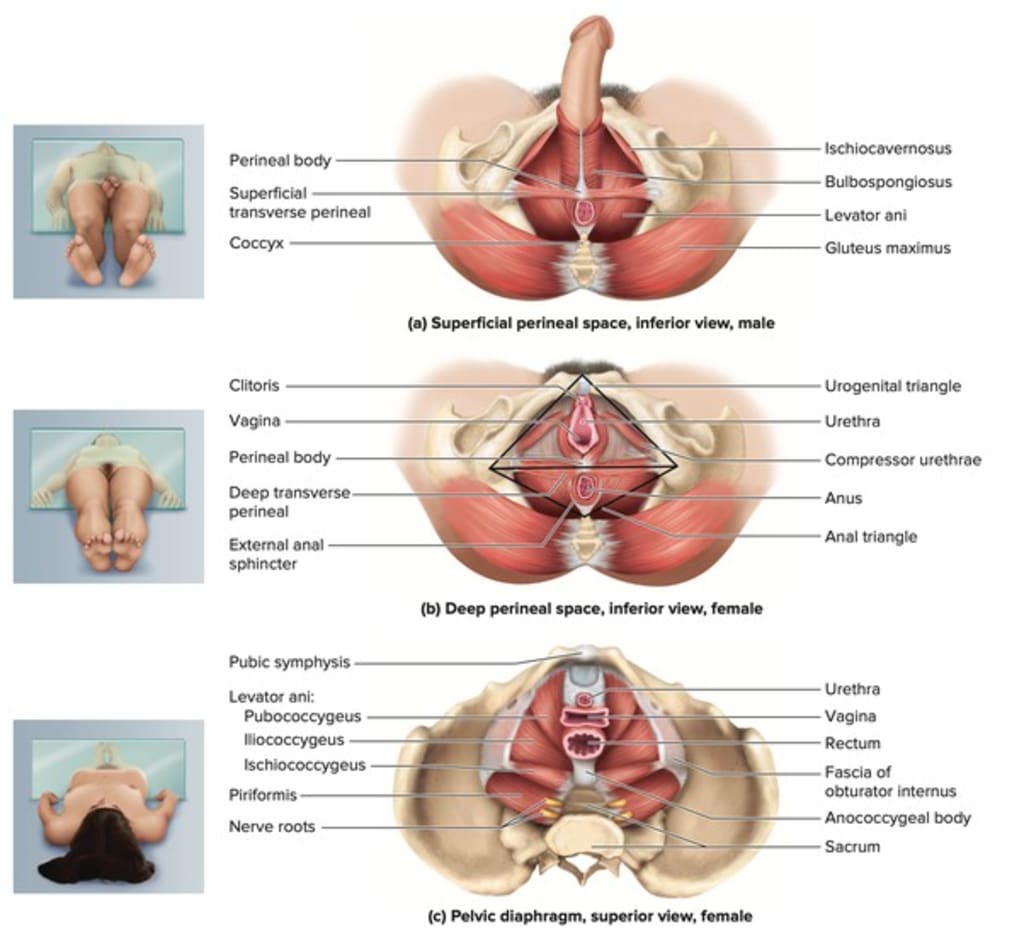
The pelvic floor, a group of muscles located at the base of the pelvis, plays a crucial role in maintaining overall physical health. While often overlooked, these muscles support vital organs, contribute to bladder and bowel control, enhance sexual function, and improve posture. Whether you're aiming for better core strength or addressing specific health issues, understanding and strengthening your pelvic floor can make a significant difference in your well-being.
What Is the Pelvic Floor?
The pelvic floor consists of layers of muscles and connective tissue that stretch like a hammock from the pubic bone in the front to the tailbone at the back. Both men and women have pelvic floor muscles, but their functions may differ slightly between genders. For women, these muscles support the bladder, uterus, and bowels, while for men, they support the bladder and bowels.
These muscles play a vital role in bladder and bowel control, ensuring that we can retain urine and stool until it is appropriate to release them. In addition, the pelvic floor is essential for sexual function, as it contributes to arousal and orgasm. The importance of these muscles goes beyond just these basic functions—they also impact posture, core strength, and lower back stability.
The Importance of a Strong Pelvic Floor
A strong pelvic floor contributes to many aspects of health. Here’s how:
1. Bladder and Bowel Control
Pelvic floor muscles are key in controlling the release of urine and stool. When these muscles are strong, they prevent incontinence, the involuntary loss of urine or stool, which is common after childbirth, surgery, or in older adults. Weak pelvic floor muscles, on the other hand, may lead to frequent urges to urinate or sudden leakage.
2. Sexual Health
In women, strong pelvic floor muscles can enhance sexual pleasure and increase the intensity of orgasms. In men, these muscles are linked to better erectile function and control. Both genders can experience improved satisfaction in sexual relationships by focusing on pelvic floor strength.
3. Support During Pregnancy and Postpartum
For women, the pelvic floor provides crucial support during pregnancy by holding the growing uterus in place. After childbirth, however, these muscles can weaken, leading to pelvic organ prolapse or incontinence. Strengthening the pelvic floor during pregnancy and postpartum can help restore these muscles and prevent long-term complications.
4. Spinal and Core Stability
The pelvic floor is part of the "core" muscle group, which also includes the diaphragm, deep abdominal muscles, and muscles surrounding the spine. Together, these muscles stabilize the pelvis and spine, reducing strain on the lower back. Strengthening the pelvic floor can, therefore, improve posture and alleviate back pain, particularly in people who sit for long periods or engage in physical labor.
Causes of Pelvic Floor Weakness
Pelvic floor weakness can result from a variety of factors, including:
- Childbirth: Vaginal deliveries can stretch or tear pelvic floor muscles, making it harder to control urination or bowel movements.
- Aging: Over time, muscles naturally lose strength, and the pelvic floor is no exception. This can lead to incontinence or prolapse.
- Obesity: Excess weight puts additional pressure on the pelvic floor muscles, which can lead to weakness or strain.
- Chronic Coughing or Heavy Lifting: These activities can put repeated stress on the pelvic floor, causing the muscles to weaken over time.
How to Strengthen the Pelvic Floor
One of the most effective ways to strengthen the pelvic floor is through targeted exercises, often called Kegel exercises. These exercises involve contracting and relaxing the pelvic floor muscles to build strength and endurance.
Here’s how to do Kegels:
- Identify the right muscles: Imagine you are trying to stop yourself from urinating. The muscles you use are your pelvic floor muscles. Another way to find them is by inserting a clean finger into the vagina (for women) or anus (for men) and trying to squeeze the muscles around it.
- Perform Kegel exercises: Once you've identified the right muscles, squeeze them and hold for five seconds, then relax for five seconds. Try to do 10 repetitions at a time, three times a day.
- Incorporate into daily activities: Kegels can be done anywhere—while sitting, standing, or lying down. Over time, you’ll notice greater control and strength.
When to Seek Help
If you experience persistent pelvic pain, incontinence, or symptoms of prolapse, it’s essential to seek professional advice. Physical therapists specializing in pelvic floor therapy can guide you through exercises tailored to your specific condition and needs. In some cases, surgery may be necessary to repair severe prolapse or incontinence issues, but conservative treatments like pelvic floor therapy are often highly effective.
Final Thoughts
Your pelvic floor plays a vital role in your daily life, from supporting your internal organs to enhancing sexual health. Strengthening these muscles not only improves core stability and posture but also helps manage and prevent issues like incontinence and pelvic organ prolapse. By incorporating pelvic floor exercises into your routine, you can improve your overall health and well-being while gaining greater control over your body.
About the Creator
William Henry
Writing has been a hobby of mine for years, and I’m excited to share my work here! Besides writing, I’m passionate about dogs and love to travel.
I hope you enjoy my creative journey!
Keep reading
More stories from William Henry and writers in Longevity and other communities.
How Can I Relieve My Tension?
Stress or tension has become an integral part of our daily lives. Whether it's due to a busy lifestyle, work pressure, personal relationship issues, or worrying about the future, stress often creeps into our minds. While many of us turn to medication or specific methods to reduce tension, there are several simple and natural techniques that can effectively help in managing and alleviating stress.
By William Henryabout a year ago in Longevity


Comments
There are no comments for this story
Be the first to respond and start the conversation.