
The Night Owl's Reality: 8-Year Study Reveals Surprising Truths About Late Sleepers
The Truth About Late Sleepers: Long-Term Effects According to Science

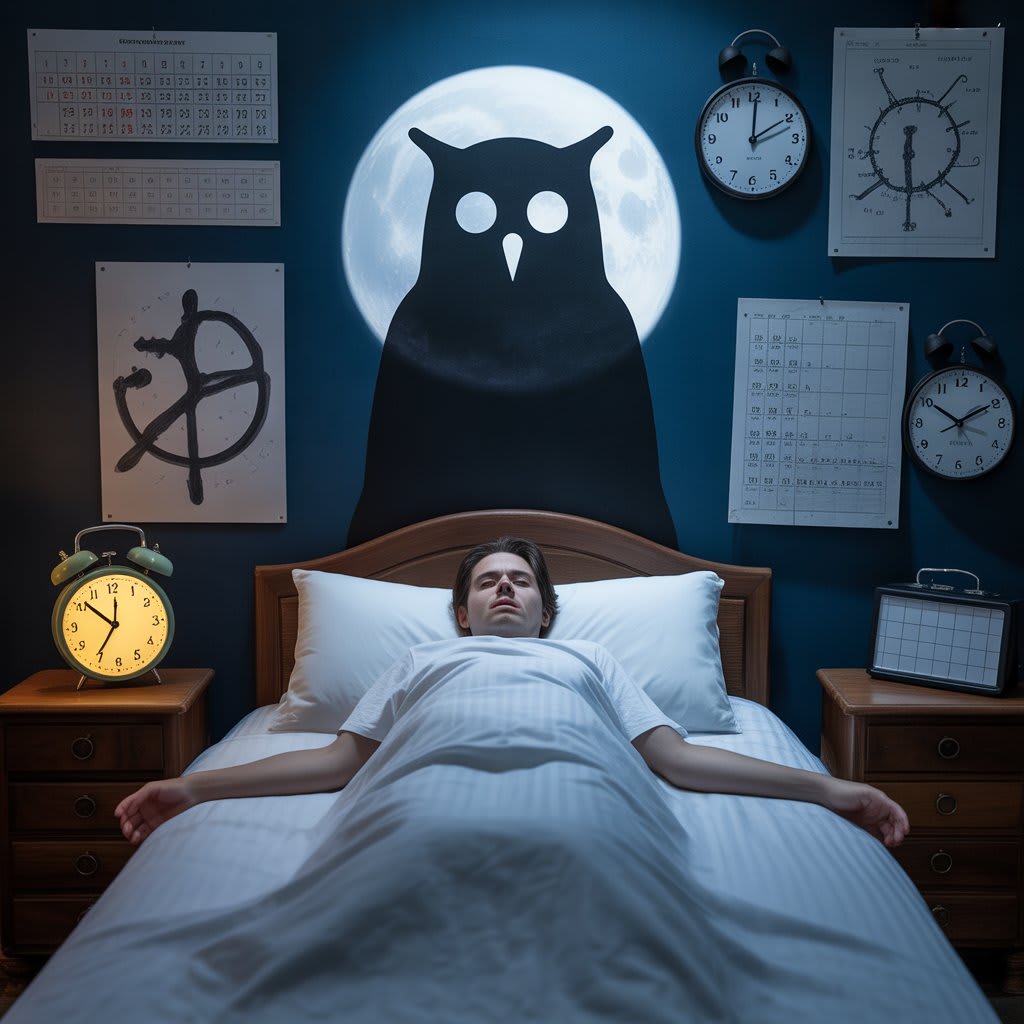
Ever hit snooze one too many times? Found your most productive hours are well after midnight? You're not alone. Millions proudly identify as "night owls," thriving when the rest of the world is winding down. But what's the real long-term cost of burning the midnight oil? For years, the debate raged: is being a night owl just a harmless preference, or does it carry hidden health risks?
A landmark study, spanning an impressive eight years, set out to find the definitive answers. Tracking hundreds of thousands of adults, researchers delved deep into the lives of self-proclaimed "definite evening types." What they uncovered wasn't just about feeling groggy on Monday mornings – it painted a startling picture of the genuine challenges late sleepers face navigating a world built for early birds. This isn't about shaming night owls; it's about understanding the science, the risks, and crucially, what can be done. Buckle up, because what science found after studying late sleepers for nearly a decade might just change how you view your chronotype forever.
The Groundbreaking 8-Year Study: Methodology and Scope
The research, a major collaboration between the University of Surrey (UK) and Northwestern University (USA), stands out due to its sheer scale and duration. Published in the prestigious journal Chronobiology International, the study analyzed data from the UK Biobank, a massive biomedical database.
- Participants: A staggering 433,268 adults aged 38-73 years.
- Duration: Participants were followed for an average of 6.5 years, with mortality data tracked for up to 8 years.
- Key Question: Participants were asked: "Do you consider yourself to be...?" with options:
- "Definitely a 'morning' person"
- "More a 'morning' than 'evening' person"
- "More an 'evening' than a 'morning' person"
- "Definitely an 'evening' person"
- Focus: The study specifically compared "definite evening types" (the true night owls) against "definite morning types" (the early larks), controlling for factors like age, sex, ethnicity, smoking, BMI, sleep duration, and existing health conditions.
This robust design allowed researchers to isolate the impact of chronotype itself on long-term health outcomes.

What 8 Years of Data Revealed: The Harsh Truths for Night Owls
The findings were significant and sobering for those who naturally gravitate towards later nights:
1. Increased Mortality Risk: This was the most startling revelation. Compared to definite morning types, definite evening types had a 10% higher risk of dying from any cause during the study period. This association held even after rigorously accounting for other health and lifestyle factors. It strongly suggested that being a night owl isn't just inconvenient – it might have a tangible impact on lifespan.
2. Higher Risk of Physical Health Disorders: The study linked being a definite evening type to a significantly increased likelihood of developing several serious health conditions:
- Psychological Disorders: A 94% higher risk of psychological disorders (including depression and anxiety).
- Diabetes: A 30% higher risk.
- Neurological Disorders: A 25% higher risk.
- Gastrointestinal Disorders: A 23% higher risk.
- Respiratory Disorders: A 22% higher risk.
- Cardiovascular Disease: While slightly less pronounced than some others, a 10% higher risk was still observed after adjustments. (Other studies have shown even stronger links between late sleep and heart health).
Why the Disadvantage? It's More Than Just Sleep Timing
The study went beyond just reporting associations; it explored the why. The researchers proposed two main pathways explaining the increased risks for night owls:
1. Physiological Stress from Circadian Misalignment:
- Our bodies run on a roughly 24-hour internal clock called the circadian rhythm. This master clock regulates countless processes: hormone release (like cortisol and melatonin), metabolism, body temperature, and immune function.
- Night owls have a naturally delayed circadian rhythm. Their bodies are primed to sleep later and wake later.
- The problem? Society operates on an early bird schedule. Work, school, and most social commitments start early.
- This forces night owls to wake up against their biological clock. This constant state of misalignment is like experiencing perpetual jet lag. It puts chronic stress on the body:
- Disrupts metabolism (increasing diabetes risk).
- Elevates inflammation (linked to heart disease, neurological issues).
- Impairs glucose regulation.
- Weakens immune function.
- Disrupts mood-regulating hormones (contributing to psychological risks).
2. Behavioral and Social Factors:
- Social Jetlag: The stark difference between sleep times on workdays vs. free days. Night owls often build up significant sleep debt during the week and oversleep on weekends, further confusing their internal clock.
- Diet and Lifestyle: The study suggested night owls might be more prone to:
- Unhealthier dietary choices (more fast food, sugary drinks, later meals).
- Higher rates of smoking and alcohol consumption.
- Less physical activity.
- Potential for social isolation or less social support due to mismatched schedules.
- Environmental Challenges: Exposure to artificial light late at night (especially blue light from screens) suppresses melatonin, making it harder to fall asleep and worsening circadian disruption. Conversely, insufficient exposure to bright morning light fails to properly reset the clock.
The Vicious Cycle: These factors often feed into each other. Circadian misalignment leads to fatigue, making healthy choices harder. Unhealthy choices further disrupt the circadian rhythm and overall health.
Navigating a Morning-Lark World: Practical Tips for Night Owls
While the findings are serious, they aren't a death sentence! Genetics play a strong role in chronotype, but there are strategies to mitigate the risks. The goal isn't necessarily to become a morning person, but to reduce circadian misalignment and promote healthier routines:
1. Gradual Adjustments (When Possible): If you need to wake earlier, shift your bedtime and wake time by 15-30 minutes earlier every few days. Drastic changes rarely stick.
2. Harness the Power of Light:
- Morning Sunlight is Crucial: Get bright natural light exposure as soon as possible after waking (even on cloudy days). This signals your brain it's daytime, helping to advance your internal clock. Sit by a window during breakfast or take a short walk.
- Dim the Lights at Night: Reduce exposure to bright lights, especially blue light, 1-2 hours before your target bedtime. Use blue light filters on devices ("night shift" mode) or consider amber-tinted glasses.
3. Prioritize Consistent Sleep Timing: Go to bed and wake up as close to the same time as possible every single day, including weekends. This is arguably the most powerful tool for stabilizing your circadian rhythm. Limit "catch-up" sleep on weekends to an extra hour or so.
4. Optimize Your Sleep Environment: Make your bedroom dark, quiet, and cool. Invest in blackout curtains. Consider a white noise machine if needed.
5. Mind Your Diet and Caffeine:
- Avoid large meals, caffeine (after ~2 PM), and excessive alcohol close to bedtime.
- Try to eat meals at consistent times.
6. Schedule Smartly: If you have flexibility, arrange work or important tasks for your peak hours (late morning/afternoon/evening). Advocate for flexible start times if possible.
7. Prioritize Overall Health: Counteract potential risks by consciously focusing on:
- Nutritious Diet: Emphasize whole foods, fruits, vegetables, lean protein.
- Regular Exercise: Aim for at least 150 minutes of moderate-intensity exercise per week, but avoid intense workouts too close to bedtime.
- Stress Management: Incorporate relaxation techniques like meditation, deep breathing, or yoga.
- Strong Social Connections: Make an effort to maintain relationships, even if it requires scheduling time that works for both your and your friends' rhythms.
8. Consult Professionals: If you struggle significantly with sleep (chronic insomnia, excessive daytime sleepiness despite adequate opportunity) or suspect a sleep disorder (like Delayed Sleep-Wake Phase Disorder), consult your doctor or a sleep specialist.
Conclusion: Embracing Your Rhythm While Protecting Your Health
The 8-year study delivers a powerful message: being a night owl in an early bird world carries measurable health risks, primarily driven by chronic circadian misalignment and its downstream effects. It's not about laziness or willpower – it's deeply rooted in biology colliding with societal structure.
However, knowledge is power. Understanding these risks empowers night owls to take proactive steps. You can't change your fundamental chronotype overnight (pun intended!), but you can strategically manage your light exposure, prioritize sleep consistency, make conscious lifestyle choices, and advocate for schedule flexibility where possible. It's about working with your natural rhythm as much as feasible, not constantly fighting against it.
By acknowledging the science and implementing practical adjustments, night owls can significantly reduce their health risks and thrive, even in a world that starts before they feel fully awake. Your best hours might be later, but protecting your health ensures you have many more of those productive, vibrant hours to enjoy.
Frequently Asked Questions (FAQs)
1. Can I actually change from being a night owl to a morning person?
While your core chronotype is largely genetically determined, you can shift it somewhat. Consistent light management (bright light in the morning, dim light at night) and strict sleep schedules are the most effective tools. However, trying to force a dramatic, permanent change against your natural tendency is often unsustainable and frustrating. Focus on gradual adjustments and optimizing your health within your natural rhythm.
2. What exactly is "social jetlag"?
Social jetlag is the difference between your body's natural sleep timing (dictated by your circadian rhythm) and the sleep schedule forced upon you by social obligations (like work or school). It's like flying across time zones every weekend. Night owls experience significant social jetlag because they have to wake up much earlier than their biological clock dictates during the week, then often sleep in late on weekends to compensate, only to "fly back" on Monday. This constant shifting is highly disruptive.
3. Is sleeping longer on weekends harmful?
While catching up on some sleep is understandable, drastically oversleeping on weekends (e.g., sleeping 4+ hours later than your weekday wake time) actually worsens social jetlag and makes it harder to adjust on Monday. It's better to limit weekend sleep-ins to no more than 1-1.5 hours later than your weekday wake time to maintain a more stable rhythm.
4. What's the healthiest sleep schedule overall?
The absolute healthiest schedule aligns with your natural chronotype while allowing for consistent, sufficient sleep duration (7-9 hours for most adults). However, the study clearly shows that aligning as much as possible with the societal day (i.e., shifting somewhat towards an earlier schedule if you're a night owl) reduces health risks. Consistency is paramount.
5. Does this mean all night owls are doomed to poor health?
Absolutely not! The study shows an increased risk, not a guarantee. Many night owls live long, healthy lives. The key takeaway is awareness. By understanding the risks associated with circadian misalignment, night owls can be more proactive about managing light exposure, maintaining sleep consistency, eating well, exercising, managing stress, and seeking medical advice for sleep problems. These actions significantly mitigate the elevated risks.
What's your chronotype? Do you struggle with the early bird world? Share your experiences and tips in the comments below – let's learn from each other!
About the Creator
Epic Vibes
✨ Welcome to Epic Vibes Blog! 🌟 Explore diverse insights and trending topics. From the latest buzz to hidden gems across various realms, we bring you fresh, engaging content. Stay ahead with us! 🚀
Keep reading
More stories from Epic Vibes and writers in Longevity and other communities.
Do You Wake Up Daily Between 3 am and 5 am? It Might Signal More Than Just Bad Luck
You jolt awake. The clock glows 3:47 am. The world is silent, your mind is suddenly racing, and sleep feels like a distant memory. Sound familiar? If you find yourself consistently waking up between 3 am and 5 am, night after night, you're not alone. While the occasional sleep hiccup is normal, this persistent pattern can be incredibly frustrating and draining. More importantly, it might be your body waving a subtle red flag about an underlying issue.
By Epic Vibes7 months ago in Longevity
Why Malnutrition Is a Hidden Problem in the Elderly
When people think about malnutrition, they often imagine individuals who are underweight or living with severe food shortages. However, malnutrition can also affect older adults—even those who appear to be eating regularly.
By Being Inquisitive4 days ago in Longevity
A System That Isn’t Working Challenge Winners
Systems promise order. They organize behavior, distribute opportunity, and suggest that if everyone follows the rules, things will work. The entries in A System That Isn’t Working look closely at what happens when that promise begins to slip.
By Vocal Curation Team4 days ago in Resources



Comments
There are no comments for this story
Be the first to respond and start the conversation.