
The Benefits of Meditation for Mental Health
How Incorporating Mindfulness into Your Daily Routine Can Help Manage Stress, Anxiety, and Depression

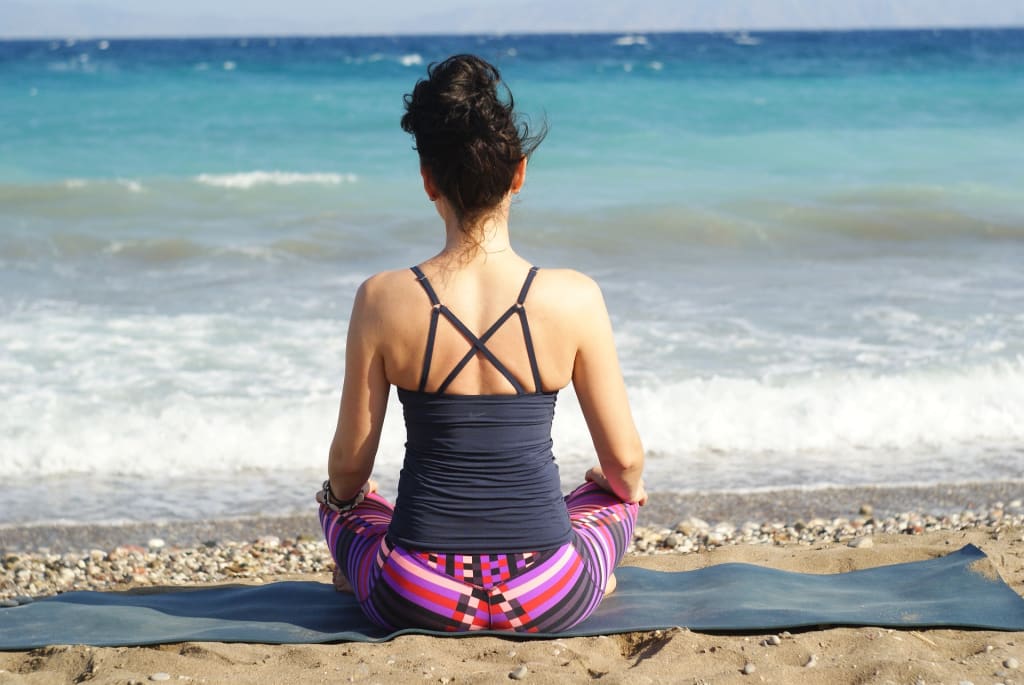
Meditation is an ancient practice that has become increasingly popular in the modern world, with many people turning to it for a range of benefits, including improved mental health. Meditation involves focusing the mind and becoming more aware of the present moment, often achieved through techniques such as deep breathing, visualization, and mindfulness.
Mental health is an increasingly important issue in today's world, with many people experiencing stress, anxiety, and depression. Meditation has been shown to be an effective tool for managing and improving mental health. In this blog post, we will explore the benefits of meditation for mental health.
Reduces Stress and Anxiety
Stress and anxiety are common mental health issues that can have a negative impact on our overall well-being. Chronic stress and anxiety can lead to a range of physical and mental health problems, including high blood pressure, depression, and cardiovascular disease. Meditation can help to reduce stress and anxiety by calming the nervous system and reducing the level of cortisol, the stress hormone, in the body.
Studies have shown that regular meditation can help to reduce symptoms of anxiety and depression, as well as improve overall mental health. A study published in the Journal of Alternative and Complementary Medicine found that meditation was effective in reducing symptoms of anxiety and depression in patients with generalized anxiety disorder. Another study, published in the Journal of Clinical Psychology, found that mindfulness-based stress reduction (MBSR) was effective in reducing symptoms of anxiety and depression in patients with a range of mental health disorders.
Improves Sleep
Sleep plays a crucial role in our overall health and well-being, and a lack of sleep can have a negative impact on mental health. Many people struggle with sleep problems, such as insomnia, which can be caused by stress and anxiety. Meditation can help to improve sleep by relaxing the mind and body, reducing stress and anxiety, and promoting feelings of calm and relaxation.
A study conducted by the National Center for Complementary and Integrative Health (NCCIH) found that mindfulness meditation was effective in improving sleep quality and reducing insomnia. Participants in the study reported better sleep quality, improved daytime functioning, and reduced symptoms of anxiety and depression.
Enhances Self-Awareness
Self-awareness is an important aspect of mental health, as it involves understanding our emotions, thoughts, and behaviors. Meditation can help to enhance self-awareness by increasing our focus and attention, and allowing us to observe our thoughts and emotions without judgment.
Through regular meditation practice, we can develop a greater understanding of our own mental processes and patterns, and become more aware of our own thoughts and emotions. This increased self-awareness can lead to greater self-reflection and self-improvement, as we become more mindful of our own thoughts and behaviors.
Boosts Emotional Wellbeing
Emotional wellbeing is a key component of overall mental health, and involves our ability to manage and regulate our emotions. Meditation can help to boost emotional wellbeing by reducing negative emotions such as anger, anxiety, and depression, and enhancing positive emotions such as happiness, gratitude, and compassion.
A study conducted by the University of California, Los Angeles (UCLA), found that mindfulness meditation increased positive emotions and reduced negative emotions in participants. The study also found that mindfulness meditation was effective in reducing symptoms of anxiety and depression, and improving overall mental health.
Improves Cognitive Function
Cognitive function refers to the mental processes involved in thinking, learning, and memory. Meditation can help to improve cognitive function by increasing focus, attention, and memory, and enhancing our ability to multitask and make decisions.
A study published in the journal Frontiers in Psychology found that mindfulness meditation improved cognitive flexibility and decision-making in participants. The study also found that meditation was effective in reducing symptoms of stress and anxiety, and improving overall mental health.
Supports Addiction Recovery
Addiction is a complex and challenging issue that can have a profound impact on mental health. Meditation can be a valuable tool for supporting addiction recovery by helping to reduce cravings, manage stress and anxiety, and promote feelings of calm and relaxation.
A study published in the Journal of Addiction Medicine found that mindfulness meditation was effective in reducing cravings and promoting abstinence in individuals with substance use disorders. Another study, published in the Journal of Substance Abuse Treatment, found that mindfulness-based relapse prevention (MBRP) was effective in reducing relapse rates in individuals recovering from substance use disorders.
Enhances Overall Well-Being
Meditation can have a profound impact on overall well-being, encompassing physical, mental, and emotional health. By reducing stress and anxiety, promoting better sleep, and enhancing self-awareness and emotional wellbeing, meditation can help us to live more fulfilling and balanced lives.
In addition, meditation can promote greater feelings of compassion, empathy, and connectedness, helping us to build stronger relationships and improve our sense of social support. By incorporating meditation into our daily routine, we can support our overall well-being and lead healthier, happier lives.
Conclusion
Meditation is a powerful tool for improving mental health and supporting overall well-being. By reducing stress and anxiety, promoting better sleep, enhancing self-awareness and emotional wellbeing, and improving cognitive function, meditation can have a profound impact on our mental and emotional health. Whether you are new to meditation or have been practicing for years, incorporating meditation into your daily routine can be a valuable tool for supporting your mental health and promoting overall wellness.
About the Creator
Mohamed Sharfiras
I'm Mohamed Sharfiras, a mental health and wellness writer passionate about promoting positive mental health. My articles offer practical tips for stress management, self-care, and more. Let's work together towards a healthier, happier you.
Keep reading
More stories from Mohamed Sharfiras and writers in Longevity and other communities.
The importance of hydration and its impact on physical and mental health
Water is one of the most essential components of human life. In fact, the human body is made up of roughly 60% water, making hydration vital to maintaining physical and mental health. It is important to understand the role hydration plays in overall health and wellbeing, and to take steps to ensure that we are getting enough water every day. In this article, we will explore the importance of hydration and its impact on physical and mental health.
By Mohamed Sharfiras3 years ago in Longevity
Day 4 of Quitting
If this is how sobriety feels, maybe it’s better to go through life a little buzzed… this, along with other hits like, I want to kill myself, I wish I was dead, and I’m going to throw myself off a bridge have been the only thoughts on rotation these past few days. I promise myself that if, in a month, I still feel like this (‘this’ meaning despondent, full of rage, and simultaneously numb) I can go back to smoking. Until mid-February though? Nicotine is off the table.
By sleepy drafts13 days ago in Longevity
5 Vegetables Hidden in Your Kitchen That Act Like Natural Penicillin
In 1928, Alexander Fleming returned from a holiday to find a mold growing in a petri dish that had killed the surrounding bacteria. That happy accident gave the world penicillin, a discovery that revolutionized modern medicine. But long before we had convenient blister packs and pharmacy counters, nature was already providing us with its own potent defense mechanisms.
By Health For You3 days ago in Longevity



Comments
There are no comments for this story
Be the first to respond and start the conversation.