diet
Tips, tricks, recipes, and hacks to make your diet a successful one.
The Diabetes Diet
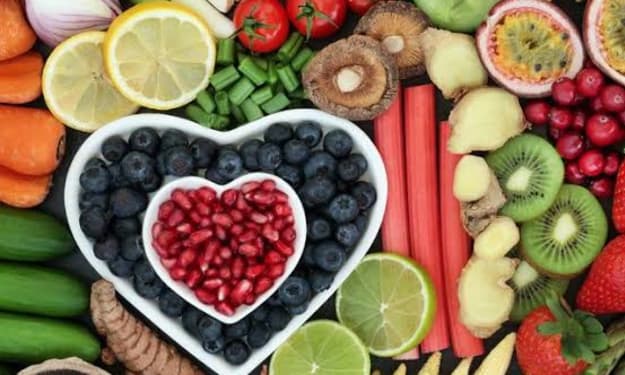
Start writing... What’s the best diet for diabetes?Whether you’re trying to prevent or control diabetes, your nutritional needs are virtually the same as everyone else, so no special foods are necessary. But you do need to pay attention to some of your food choices—most notably the carbohydrates you eat. While following a Mediterranean or other heart-healthy diet can help with this, the most important thing you can do is to lose a little weight.Losing just 5% to 10% of your total weight can help you lower your blood sugar, blood pressure, and cholesterol levels. Losing weight and eating healthier can also have a profound effect on your mood, energy, and sense of wellbeing. People with diabetes have nearly double the risk of heart disease and are at a greater risk of developing mental health disorders such as depression.But most cases of type 2 diabetes are preventable and some can even be reversed. Even if you’ve already developed diabetes, it’s not too late to make a positive change. By eating healthier, being more physically active, and losing weight, you can reduce your symptoms. Taking steps to prevent or control diabetes doesn’t mean living in deprivation; it means eating a tasty, balanced diet that will also boost your energy and improve your mood. You don’t have to give up sweets entirely or resign yourself to a lifetime of bland food.The biggest risk for diabetes: belly fat.Being overweight or obese is the biggest risk factor for type 2 diabetes. However, your risk is higher if you tend to carry your weight around your abdomen as opposed to your hips and thighs. A lot of belly fat surrounds the abdominal organs and liver and is closely linked to insulin resistance. You are at an increased risk of developing diabetes if you are:Calories obtained from fructose (found in sugary beverages such as soda, energy and sports drinks, coffee drinks, and processed foods like doughnuts, muffins, cereal, candy and granola bars) are more likely to add weight around your abdomen. Cutting back on sugary foods can mean a slimmer waistline as well as a lower risk of diabetes.You can enjoy your favorite treats as long as you plan properly and limit hidden sugars. Dessert doesn’t have to be off limits, as long as it’s a part of a healthy meal plan.The type of carbohydrates you eat as well as serving size is key. Focus on whole grain carbs instead of starchy carbs since they’re high in fiber and digested slowly, keeping blood sugar levels more even.The principles of healthy eating are the same—whether or not you’re diabetic. Expensive diabetic foods generally offer no special benefit.Studies have shown that eating too much protein, especially animal protein, may actually cause insulin resistance, a key factor in diabetes. A healthy diet includes protein, carbohydrates, and fats. Our bodies need all three to function properly. The key is a balanced diet.As with any healthy eating program, a diabetic diet is more about your overall dietary pattern rather than obsessing over specific foods. Aim to eat more natural, unprocessed food and less packaged and convenience foods.Eat more.Healthy fats from nuts, olive oil, fish oils, flax seeds, or avocados.Fruits and vegetables—ideally fresh, the more colorful the better; whole fruit rather than juices.High-fiber cereals and breads made from whole grains.Fish and shellfish, organic chicken or turkey.High-quality protein such as eggs, beans, low-fat dairy, and unsweetened yogurt.Eat less.Packaged and fast foods, especially those high in sugar, baked goods, sweets, chips, desserts.White bread, sugary cereals, refined pastas or rice.Processed meat and red meat.Low-fat products that have replaced fat with added sugar, such as fat-free yogurt.Choose high-fiber, slow-release carbs.Carbohydrates have a big impact on your blood sugar levels—more so than fats and proteins—so you need to be smart about what types of carbs you eat. Limit refined carbohydrates like white bread, pasta, and rice, as well as soda, candy, packaged meals, and snack foods. Focus on high-fiber complex carbohydrates—also known as slow-release carbs. They are digested more slowly, thus preventing your body from producing too much insulin.What about the glycemic index?High glycemic index (GI) foods spike your blood sugar rapidly, while low GI foods have the least effect on blood sugar. While the GI has long been promoted as a tool to help manage blood sugar, there are some notable drawbacks.The true health benefits of using the GI remain unclear.Having to refer to GI tables makes eating unnecessarily complicated.The GI is not a measure of a food’s healthfulness.Research suggests that by simply following the guidelines of the Mediterranean or other heart-healthy diets, you’ll not only lower your glycemic load but also improve the quality of your diet.Be smart about sweets.
By Zarinabanu Zarinabanu5 years ago in Longevity
Psyllium fiber benefits and health risks
Psyllium fiber husk has been used for centuries to promote better health. It was utilized in the ancient traditional medicine of Ayurveda as a method to promote the overall health and well-being of the body. This age-old knowledge has now been proven by modern-day medical science. Psyllium is considered to be one of the most effective fibers when it comes to maintaining regular digestive health.
By Cheryl E Preston5 years ago in Longevity
What Keto Diet Is And How It Works
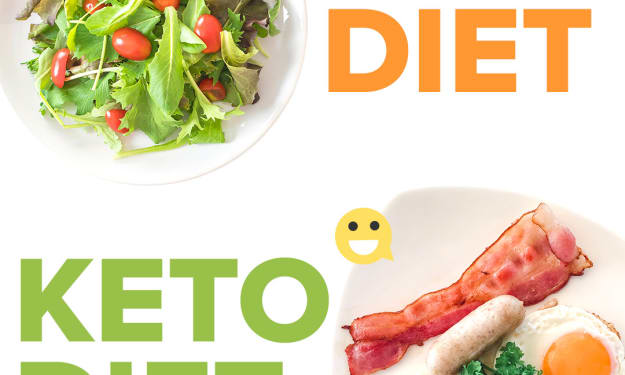
What is the Keto Diet? You may have heard of the high-protein, low-carbohydrate Atkins diet. The keto diet keeps carbohydrate levels low, but instead of ramping up the amount of protein in your diet, the keto diet increases the amount of fat. A typical keto diet aims for meals with 75% fat, 20% protein, and 5% carbohydrate. Eating a high-fat diet can still mean eating healthy. Keto diet menu items often include seafood, meat, dairy products, eggs, vegetables, and nuts. With the increased popularity of the keto diet, keto recipes are widely available.
By Gary Barrientos5 years ago in Longevity
Ketogenic diet: Is the ultimate low-carb diet good for you?
What is a ketogenic (keto) diet? In essence, it is a diet that causes the body to release ketones into the bloodstream. Most cells prefer to use blood sugar, which comes from carbohydrates, as the body’s main source of energy. In the absence of circulating blood sugar from food, we start breaking down stored fat into molecules called ketone bodies (the process is called ketosis). Once you reach ketosis, most cells will use ketone bodies to generate energy until we start eating carbohydrates again. The shift, from using circulating glucose to breaking down stored fat as a source of energy, usually happens over two to four days of eating fewer than 20 to 50 grams of carbohydrates per day. Keep in mind that this is a highly individualized process, and some people need a more restricted diet to start producing enough ketones.
By Kevin David5 years ago in Longevity
Keto Is Everywhere; Learn About Its Benefits And How To Start It
Keto is everywhere; it's the new buzzword, the new favorite among those looking to shed pounds, and the new hate victim of the food-pyramid-spouting-eat-your-whole grains mainstream medical industry. The keto diet, while it is not the magic cure-all for every single disease on the planet, does a pretty dang good job at being the potential causer of healing many horrible conditions. So let's cut through the science, separate fact from fiction, and look at the benefits of the keto diet.
By Gary Barrientos5 years ago in Longevity
Keto Diet For Beginnings
Keto is a breakdown of macros. Macronutrients are basically fats, proteins, and carbs. Now, this is where most people get confused with the ketogenic lifestyle. Now, to break it down really simply – you want 75 of the total calories you eat in a day to come from fat.
By James Bailey5 years ago in Longevity
Find Out How Necessary It Is To Eat Well And Exercise.
Many people gasp when they hear the words "work out" or "exercise." Exercise, on the other hand, is a validated concept for a balanced body and diet routine. Dieting alone will help you lose weight, but you must also incorporate exercise and working out in your routine to keep the weight off and maintain a healthy body.
By Jugantor Bishwa5 years ago in Longevity
Your Brain on Plants
Food is literally fuel for the body brain. It's the data input to your high functioning processor that then creates a different output. It's the gas in the tank - you can't put low-grade gas in a high-grade car, can you? Well, you can, but it doesn't perform optimally.
By Ash Southard5 years ago in Longevity