
Stress Management Guide: Tips for a Calmer Life
Finding Peace Amidst Life's Storms

In today's utterly hectic world, stress is everywhere. But, you can manage it and live a calmer life. This guide offers practical tips to help you reduce stress and feel better.
Are you dealing with work stress or personal issues? This guide has the tools you need. You'll learn about mindfulness, meditation, and more. These methods can help you stay calm and centered.
Key Takeaways
Understand the impact of stress on your mental and physical health
Develop mindfulness and meditation techniques to find inner peace
Explore breathing exercises and relaxation practices for stress relief
Implement time management strategies to better prioritize and manage your responsibilities
Utilize cognitive-behavioral therapy to reframe negative thoughts and behaviors
Build a supportive network and develop emotional intelligence skills
Adopt healthy lifestyle habits to reduce stress and promote overall well-being
Understanding the Impact of Stress
Stress is a natural response to life's demands. While some stress can motivate us, too much can harm our health. It's key to understand the impact of stress for a balanced life.
Recognizing Stress Signals
Stress signals show up in many ways. You might feel headaches, muscle tension, or fatigue. You could also get irritable, anxious, or have trouble focusing.
Noticing these stress signals helps you act early. This way, you can tackle stress before it gets worse.
Effects of Chronic Stress on Mental and Physical Health
Chronic stress can harm your health deeply. It weakens your immune system and raises heart disease risk. It can also lead to depression and anxiety.
It's vital to manage stress well. This protects your mental health and physical health.
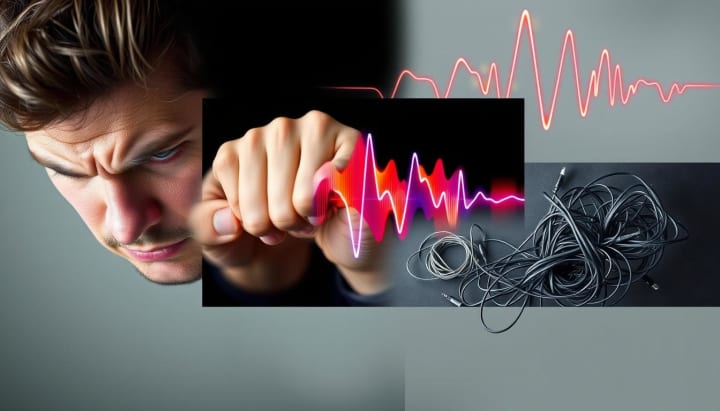
"Stress is the trash of modern life - we all generate it, but if you don't dispose of it properly, it will pile up and overtake your life." - Danzae Pace
Mindfulness and Meditation Techniques
In our busy lives, finding ways to manage stress is key. Mindfulness and meditation are powerful tools. They help us stay present and find peace in chaos. These practices reduce stress, improve focus, and boost well-being.
Mindfulness means being fully present, observing thoughts and feelings without judgment. A simple exercise is the body scan. You focus on each body part, noticing any tension or relaxation. This helps you understand your body and emotions better, responding to stress with kindness.
"Mindfulness is about being fully awake in our lives. It is about perceiving the exquisite vividness of each moment." - Jon Kabat-Zinn
Meditation practice like guided visualization is also effective. You imagine a peaceful scene in your mind. This quiets your mind, reduces anxiety, and brings relaxation. Regular use of these mindfulness techniques and meditation practices helps manage stress and find balance.

Adding these practices to your daily routine, even for a few minutes, can change your life. By pausing, breathing, and connecting with now, you build resilience. This makes facing life's challenges easier and clearer.
Breathing Exercises for Stress Relief
Breathing exercises are great for managing stress. They are simple yet powerful. Techniques like diaphragmatic breathing and progressive muscle relaxation can help you relax quickly.
Diaphragmatic Breathing
Diaphragmatic breathing, or belly breathing, is about taking deep, slow breaths. It engages the diaphragm. This can lower your heart rate, blood pressure, and stress hormones, making you feel relaxed.
To do it, sit or lie down comfortably. Inhale deeply through your nose, feeling your belly expand. Then, exhale slowly through your mouth, letting your belly deflate. Do this for a few minutes to feel calm.
Progressive Muscle Relaxation
Progressive muscle relaxation is another great way to reduce stress. It involves tensing and releasing different muscle groups in your body. This helps release physical and mental tension.
Start by clenching your fists, holding for a few seconds, and then releasing. Do this with your arms, shoulders, face, and other areas. Pay attention to the tension and release. This technique can help you relax deeply.
"The greatest weapon against stress is our ability to choose one thought over another."
Adding these breathing exercises and relaxation techniques to your daily routine can help you live a calmer life. Remember, even small changes can make a big difference in managing stress and finding peace.
Time Management Strategies
Effective time management is key to reducing stress and finding a balance between work and life. By using practical strategies, you can manage your schedule better. Start by figuring out what's most important and allocate time for those tasks.
Break down big projects into smaller steps. Set realistic deadlines to keep yourself on track. This helps you stay focused and avoid feeling overwhelmed.
Setting boundaries is also important. Learn to say "no" to things that don't fit your priorities. Also, delegate tasks when you can. This frees up your time and mental energy, letting you focus on what's truly important.
Using time management strategies can greatly improve your stress management and work-life balance. By prioritizing tasks, setting boundaries, and delegating, you can take back control of your time. This reduces the stress that comes with a busy schedule.
"Time management is not just about getting more things done; it's about getting the right things done."
Remember, time management is a skill that can be learned and improved. Try different techniques to see what works for you. Don't be afraid to adjust as your needs and priorities change.
Cognitive-Behavioral Therapy for Stress Management
If stress is overwhelming you, cognitive-behavioral therapy (CBT) can help. This method helps you spot and change negative thoughts that cause stress. You'll learn new, positive ways to think and act.
CBT digs into the reasons behind your stress. It teaches you to manage your thoughts and feelings better. You'll see how distorted beliefs fuel your anxiety and change them to more positive ones. This can greatly improve your well-being and help you handle life's ups and downs.
Cognitive-behavioral therapy is especially good for stress caused by work, relationships, or big life changes. With a therapist, you'll create strategies to deal with stress every day.
By using CBT, you can stop the cycle of stress and take back control. With effort and practice, you'll learn to face and change negative thoughts. This will help you become more resilient and less stressed.
Incorporating Relaxation Exercises into Your Routine
To manage stress well, adding relaxation exercises to your daily routine is key. These activities help you relax, recharge, and keep balance in your life. You can try yoga, tai chi, or guided imagery to find what works for you.
Yoga, an ancient practice, is great for reducing stress and promoting relaxation. It combines physical poses, controlled breathing, and meditation. This helps calm your mind and body, making you feel more centered.
Tai chi is another effective exercise. It's a gentle martial art that focuses on slow movements and deep breathing. Practicing tai chi can bring you peace and improve your flexibility and balance.
Guided imagery is also powerful for stress relief. It involves imagining peaceful scenes. This can reduce muscle tension, lower your heart rate, and bring deep relaxation.
Adding these relaxation exercises to your daily routine can greatly improve your stress relief and self-care. Even a few minutes a day can significantly boost your mental and physical health.
Building a Support Network
Life's stresses can be tough, but you don't have to face them alone. Having a strong support network can change everything. It's about getting help from professionals and building healthy relationships.
Seeking Professional Help
When stress gets too much, it's time to get help. Talking to a therapist or counselor can offer great advice. They help you find the source of your stress and teach you ways to cope.
Building Healthy Relationships
Having good relationships with family, friends, and workmates is also key. People who care about you can offer support and a listening ear. Make an effort to keep these relationships strong for emotional support.
"The greatest weapon against stress is our ability to choose one thought over another." - William James
Building a strong support network helps you deal with stress better. You don't have to face it alone. Let the people and resources around you help you live a calmer life.
Developing Emotional Intelligence Skills
Building emotional intelligence is a great way to handle stress. It helps you understand and control your feelings when things get tough. This can make you better at managing stress and lead to a happier life.
Being self-aware is a big part of emotional intelligence. Take time to think about your thoughts, feelings, and actions. Knowing what makes you stressed and how you react can help you make better choices.
"The greatest weapon against stress is our ability to choose one thought over another." - William James
Also, learning to be empathetic is important. It lets you understand and share others' feelings. This can help you deal with stressful situations and relationships better.
Improving emotional intelligence is a complete journey. It involves getting better at controlling yourself, staying motivated, and being good with people. Start this journey of self-discovery and emotional growth. It's a powerful way to live a calmer, more resilient life.
Lifestyle Habits for Stress Reduction
Healthy lifestyle habits are key to managing stress and keeping well-being balanced. Regular exercise, like aerobic activities or strength training, helps release tension. It also boosts your mood and improves physical and mental health.
Eating a nutritious, balanced diet is also important. Include whole foods, fruits, and vegetables to give your body the nutrients it needs to handle stress better.
Getting quality sleep is crucial for stress reduction. Aim for 7-9 hours of sleep each night. This allows your body and mind to recharge and feel calm.
Try relaxation techniques like meditation or deep breathing exercises to relax before bed. They help prepare you for a good night's sleep.
Self-care practices like hobbies, nature time, or mindfulness also help. They build inner peace and resilience. By adding these habits to your daily life, you'll manage stress better and live a healthier, more balanced life.
About the Creator
Keep reading
More stories from Jeff Hutchings and writers in Longevity and other communities.
Celestial Harmony Meditation
Life's a mess. Peace? Good luck finding that. But I stumbled on something that turned everything upside down. Celestial Harmony Meditation. Not your average om-chanting stuff. This is cosmic. It mixes old ideas with new-age mindfulness. It's become my lifeline. Here's how it flipped my world.
By Jeff Hutchings2 years ago in Longevity
Best Artwork Styles for Contemporary Living Spaces
Contemporary living spaces are defined by simplicity, clean lines, and intentional design choices. Unlike traditional interiors that rely heavily on ornamentation, contemporary homes often embrace openness, neutral palettes, and functional layouts. Because of this minimal foundation, artwork plays an essential role in adding personality, warmth, and visual depth.
By CEO A&S Developers2 days ago in Longevity



Comments
There are no comments for this story
Be the first to respond and start the conversation.