
Solo, But Not Lonely: How to Enjoy Life When You Live Alone
For many older adults, the transition to living alone comes with mixed emotions. While some relish the newfound freedom, others worry about loneliness creeping in. Yet countless seniors are proving that living solo can be a vibrant chapter full of connection, growth and joy. The secret lies not in avoiding solitude, but in transforming it into something rich and meaningful. Let’s explore some inspiring strategies.
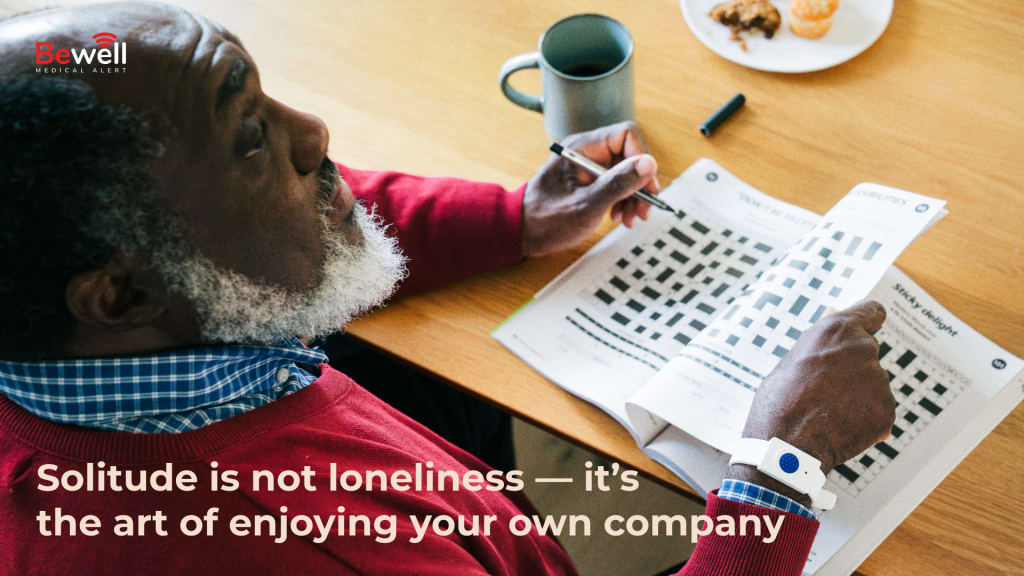
Crafting a Fulfilling Daily Rhythm
The beauty of living alone is the ability to design days that truly reflect your preferences. Without the need to accommodate others' schedules, you can create routines that nourish your mind, body and spirit. Many thriving solo seniors start their mornings with intentional rituals - perhaps sipping tea while watching the sunrise, writing in a gratitude journal, or doing gentle stretches to their favorite music. These small moments of mindfulness set a positive tone for the day ahead.
Physical activity naturally weaves into daily life for those aging well alone. Rather than rigorous workouts, it's the consistent movement that matters most. A morning walk to the local café, gardening in the afternoon, or an evening dance to one beloved song all contribute to maintaining strength and mobility. The key is finding activities you genuinely enjoy so exercise never feels like a chore.
Building Meaningful Connections
Living alone doesn't mean being isolated. In fact, many solo seniors develop richer social lives than their coupled counterparts because they're more intentional about nurturing relationships. The most successful ones create what sociologists call "connection routines" - regular, scheduled interactions that become anchors in their week.
These might include Tuesday lunches with a former colleague, Thursday book club meetings, or Sunday phone calls with grandchildren. The consistency matters more than the frequency - knowing these touchpoints are coming creates anticipation and structure. Many community centers now offer specialized programs for older adults, from technology classes to group travel opportunities, making it easier than ever to meet like-minded peers.
Technology has become a powerful ally against isolation. Video calls can't replace hugs, but they do allow for meaningful face-to-face connection across distances. Simple devices with large buttons and voice control make digital communication accessible even for those who didn't grow up with computers. Some seniors have even formed online communities around shared interests like genealogy or classic films.
Creating a Home That Supports Independence
Your living space should be both a comfortable retreat and a launchpad for engagement. Many solo seniors find joy in personalizing their environment - displaying treasured photos, creating a reading nook with perfect lighting, or keeping art supplies always at hand for spontaneous creativity. These small touches make a house feel like a true home.
Safety modifications allow for worry-free independence. Simple changes like removing throw rugs, installing grab bars in bathrooms, and using automatic night lights can prevent falls - the leading cause of injury among older adults. More advanced solutions like emergency alert systems provide peace of mind; modern versions like the BeWell Smartwatch are discreet enough to wear daily while offering instant access to help if needed.
Embracing New Adventures
With more free time and fewer responsibilities, many solo seniors discover hidden passions they never had time to explore before. This might mean auditing university classes (often free for older adults), volunteering at a local museum, or finally taking that photography course they've always considered. The brain thrives on novelty at any age, and learning new skills can be particularly rewarding.
Travel takes on new possibilities too. Many tour companies now specialize in senior-friendly group trips, handling logistics while allowing for independent exploration. For those who prefer staying closer to home, becoming a tourist in one's own city - visiting museums during senior hours, taking architectural walking tours, or sampling ethnic restaurants - can feel just as adventurous.
The Psychological Rewards of Solo Living
There's a profound difference between loneliness and solitude. While loneliness drains, solitude can replenish. Many older adults find that living alone offers unexpected gifts: time for reflection, freedom from others' expectations, and space to truly know oneself. Psychologists note that this stage often brings a welcome simplicity, a chance to focus on what matters most.
That said, it's important to recognize when solitude becomes unhealthy. Losing interest in personal care, skipping meals regularly, or going weeks without social contact may signal it's time to reach out for support. Senior centers, community organizations, and even telehealth therapists can provide resources and connection when needed.
Writing Your Next Chapter
The later years of living alone can be some of life's most rewarding. Without work or parenting demands, there's space to rediscover old passions and develop new ones. Many solo seniors report feeling more authentically themselves than ever before - free to structure their days exactly as they choose.
Modern tools and community resources make maintaining independence easier than in previous generations. From transportation services to home delivery options to wearable safety technology, practical solutions exist for nearly every challenge. The key is embracing both the freedom and the responsibility of crafting a life that's engaged, connected and deeply fulfilling.
As 89-year-old Miriam, who's lived alone for fifteen years after her husband passed, puts it: "I thought living by myself would mean being lonely, but instead I've found a whole new kind of happiness. My days are full of people and activities I truly choose. And knowing I have my BeWell alert means I can enjoy it all without worry."
Essential Resources for Seniors Living Solo
Living independently doesn’t mean going it alone. Today’s seniors have more options than ever to stay active, connected, and safe. Here’s your guide to making the most of available resources.
Senior Centers Reimagined
Modern senior centers have transformed into vibrant community hubs offering:
- Fitness classes tailored to all ability levels (water aerobics, chair yoga, strength training)
- Lifelong learning opportunities (technology workshops, language courses, art classes)
- Social clubs catering to diverse interests (book discussions, gardening groups, travel clubs)
- Nutritious meal programs with delivery options for homebound seniors
- Transportation services to medical appointments and shopping centers
Tip: Visit several centers to find your best fit—each has its own personality and specialty programs.
SilverSneakers: Fitness Made Accessible
Your Medicare plan likely includes this invaluable benefit providing:
- Access to 15,000+ gyms nationwide with senior-friendly equipment
- Specialized classes focusing on balance, flexibility and strength training
- Social walking clubs and fitness challenges to keep you motivated
- Some locations offer transportation assistance
- Robust online workout library for exercising at home
Pro Tip: Pair your workout with coffee dates to build meaningful connections with fellow members.
Meetup: Find Your Tribe
- This platform helps you discover local groups for:
- Activity-based connections (hiking groups, dance classes, photography clubs)
- Learning communities (book discussions, language exchanges)
- Specialized support (widow/widower groups, veteran networks)
- Cultural explorations (museum visits, concert outings)
Success Strategy: Start with larger groups and attend daytime events designed with seniors in mind.
VolunteerMatch: Purpose Through Service
Channel your experience into meaningful opportunities like:
- Mentoring students or advising small businesses
- Virtual volunteering (transcribing historical documents)
- Skills-based contributions (accounting, event planning)
- Animal-assisted therapy programs
Smart Safety Solutions
Modern personal safety devices offer:
- Discreet wearable options with fall detection
- GPS tracking for outdoor activities
- Two-way emergency communication
- Medication reminders
- Family alert systems
Key Features to Look For: Long battery life, waterproof designs, and simple activation.
The secret to thriving solo? Start with one or two resources that match your current priorities, then gradually expand your network. Many find combining physical activity (SilverSneakers), social connection (Meetup), and safety tech creates the perfect foundation for vibrant independence.
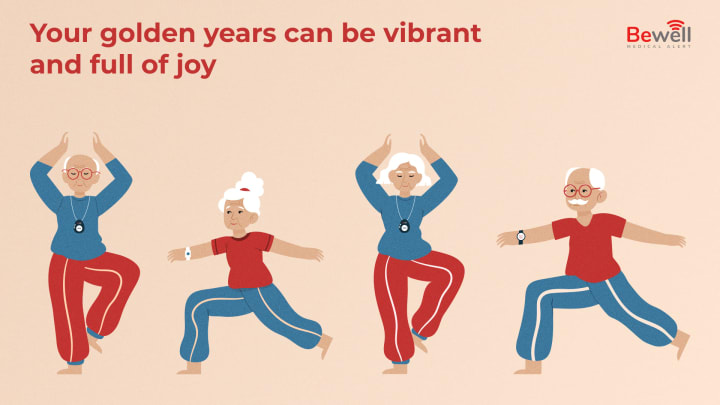
Remember—these resources exist to serve you. Don’t hesitate to try different options until you find what works best for your lifestyle and needs. Your golden years can be your most active and connected yet.
About the Creator
Olivia Pegula
I share research-based tips on aging, caregiving, and well-being to support the everyday life of older adults.
Keep reading
More stories from Olivia Pegula and writers in Longevity and other communities.
When "I'm Fine" Isn’t Fine: Recognizing When an Older Loved One May Need Help — Even If They Don’t Say It
Many families have found themselves in a situation where an older loved one insists everything is fine, only to later discover a quiet health issue, an undetected fall, or even a growing sense of isolation. The challenge is not always about being physically present; it’s about recognizing the unspoken — the subtle changes, the quiet struggles, and the instinctive feeling that something is not quite right.
By Olivia Pegula5 months ago in Longevity
Day 4 of Quitting
If this is how sobriety feels, maybe it’s better to go through life a little buzzed… this, along with other hits like, I want to kill myself, I wish I was dead, and I’m going to throw myself off a bridge have been the only thoughts on rotation these past few days. I promise myself that if, in a month, I still feel like this (‘this’ meaning despondent, full of rage, and simultaneously numb) I can go back to smoking. Until mid-February though? Nicotine is off the table.
By sleepy drafts14 days ago in Longevity
How Social Media Is Rewiring the Teenage Brain
In the last decade, social media has evolved from a simple tool for communication into an immersive ecosystem shaping how we think, feel, and interact. Among the most vulnerable to these changes are teenagers. The adolescent brain, still in its developmental phase, is especially susceptible to the effects of constant connectivity, curated content, and digital validation. Emerging research suggests that social media is not just influencing teenage behavior—it is literally rewiring their brains. The Brain in Adolescence Teenagers undergo profound neurological changes, particularly in the prefrontal cortex, which governs decision-making, impulse control, and planning. At the same time, the limbic system, responsible for emotions and reward processing, is highly active. This imbalance makes teens more prone to risk-taking, peer influence, and emotional volatility. Social media, with its instant feedback loops of likes, comments, and shares, exploits these natural developmental tendencies. Reward Systems and Dopamine Every notification, heart, or comment triggers a release of dopamine—a neurotransmitter associated with pleasure and reward. In the offline world, rewards are typically delayed or earned through effort, but social media delivers instant gratification. Over time, this creates a pattern where teens begin to seek validation from digital platforms rather than internal motivation or real-life achievements. Neuroscientists warn that this constant activation of reward pathways can make adolescents more impulsive and reduce attention spans. The Attention Economy Social media platforms are designed to capture attention. Infinite scrolling, autoplay videos, and algorithm-driven feeds keep users engaged for hours. For teens, whose executive functions are still developing, this can interfere with concentration and memory. Studies have found that teenagers who spend excessive time on social media often experience difficulties focusing on schoolwork, have shorter attention spans, and struggle with task persistence. Emotional Impact and Mental Health The impact of social media on teenage mental health is complex. On one hand, it offers community, self-expression, and connection. On the other, it exposes adolescents to cyberbullying, unrealistic comparisons, and social pressure. Constantly seeing idealized versions of peers’ lives can foster feelings of inadequacy, anxiety, and depression. Researchers have observed changes in brain regions linked to emotional regulation in teens who spend several hours daily on social media. The amygdala, for instance, shows heightened activity in response to perceived social threats, amplifying stress reactions. Social Skills and Empathy Another concern is the effect of social media on social cognition. Face-to-face interactions help teenagers develop empathy, read emotional cues, and understand complex social dynamics. Online interactions, often filtered through text, emojis, and memes, can limit these experiences. Teens who rely heavily on digital communication may find it harder to navigate real-world social situations, potentially impacting long-term relationship skills. Adaptive or Maladaptive? Not all changes induced by social media are negative. Platforms can enhance creativity, provide access to global perspectives, and facilitate learning communities. Some teens leverage social media for activism, skill-building, and self-expression in ways that strengthen their sense of identity and social connectedness. The key lies in moderation, mindful usage, and parental guidance. Toward Healthy Digital Habits Experts recommend several strategies to help teens navigate the social media landscape without compromising brain development. Setting daily time limits, encouraging offline hobbies, and promoting in-person social interactions can balance the benefits and risks. Open communication between parents and teens about online experiences is critical, as is educating adolescents on the impact of digital validation on their emotional and cognitive health. The Road Ahead As neuroscientists continue to study the long-term effects of social media on the teenage brain, one thing is clear: the digital environment is reshaping adolescent development in unprecedented ways. While social media can be a source of learning, community, and creativity, it also presents challenges that require careful navigation. Awareness, education, and proactive strategies can help ensure that teens benefit from the digital age without falling prey to its potential pitfalls. Social media is more than just a tool—it is a force capable of rewiring young minds. Understanding its influence is the first step toward harnessing its potential while safeguarding the next generation’s mental, emotional, and cognitive well-being.
By Fiaz Ahmed Brohi2 days ago in Longevity




Comments
There are no comments for this story
Be the first to respond and start the conversation.