
How Social Media Is Rewiring the Teenage Brain
“The hidden ways TikTok, Instagram, and Snapchat are reshaping adolescent minds—and what parents and educators need to know.”

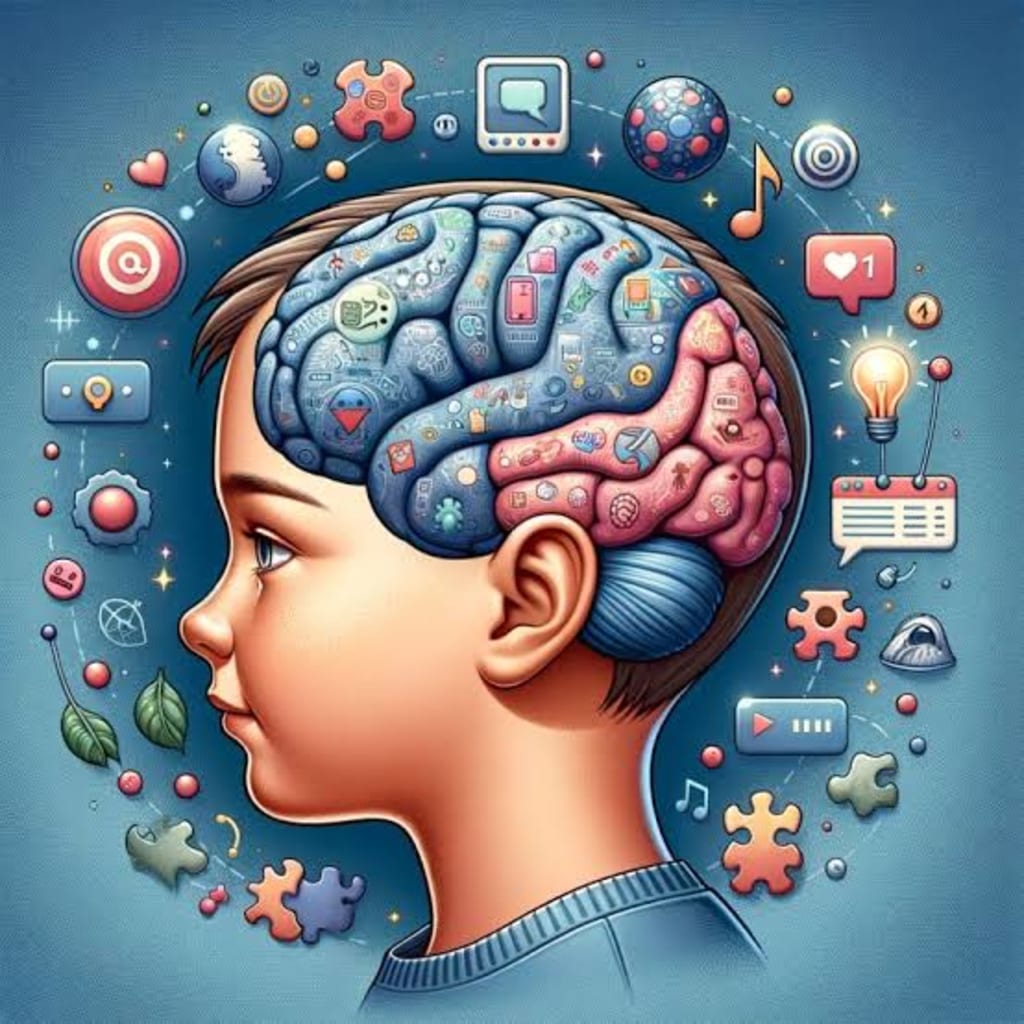
In the last decade, social media has evolved from a simple tool for communication into an immersive ecosystem shaping how we think, feel, and interact. Among the most vulnerable to these changes are teenagers. The adolescent brain, still in its developmental phase, is especially susceptible to the effects of constant connectivity, curated content, and digital validation. Emerging research suggests that social media is not just influencing teenage behavior—it is literally rewiring their brains.
The Brain in Adolescence
Teenagers undergo profound neurological changes, particularly in the prefrontal cortex, which governs decision-making, impulse control, and planning. At the same time, the limbic system, responsible for emotions and reward processing, is highly active. This imbalance makes teens more prone to risk-taking, peer influence, and emotional volatility. Social media, with its instant feedback loops of likes, comments, and shares, exploits these natural developmental tendencies.
Reward Systems and Dopamine
Every notification, heart, or comment triggers a release of dopamine—a neurotransmitter associated with pleasure and reward. In the offline world, rewards are typically delayed or earned through effort, but social media delivers instant gratification. Over time, this creates a pattern where teens begin to seek validation from digital platforms rather than internal motivation or real-life achievements. Neuroscientists warn that this constant activation of reward pathways can make adolescents more impulsive and reduce attention spans.
The Attention Economy
Social media platforms are designed to capture attention. Infinite scrolling, autoplay videos, and algorithm-driven feeds keep users engaged for hours. For teens, whose executive functions are still developing, this can interfere with concentration and memory. Studies have found that teenagers who spend excessive time on social media often experience difficulties focusing on schoolwork, have shorter attention spans, and struggle with task persistence.
Emotional Impact and Mental Health
The impact of social media on teenage mental health is complex. On one hand, it offers community, self-expression, and connection. On the other, it exposes adolescents to cyberbullying, unrealistic comparisons, and social pressure. Constantly seeing idealized versions of peers’ lives can foster feelings of inadequacy, anxiety, and depression. Researchers have observed changes in brain regions linked to emotional regulation in teens who spend several hours daily on social media. The amygdala, for instance, shows heightened activity in response to perceived social threats, amplifying stress reactions.
Social Skills and Empathy
Another concern is the effect of social media on social cognition. Face-to-face interactions help teenagers develop empathy, read emotional cues, and understand complex social dynamics. Online interactions, often filtered through text, emojis, and memes, can limit these experiences. Teens who rely heavily on digital communication may find it harder to navigate real-world social situations, potentially impacting long-term relationship skills.
Adaptive or Maladaptive?
Not all changes induced by social media are negative. Platforms can enhance creativity, provide access to global perspectives, and facilitate learning communities. Some teens leverage social media for activism, skill-building, and self-expression in ways that strengthen their sense of identity and social connectedness. The key lies in moderation, mindful usage, and parental guidance.
Toward Healthy Digital Habits
Experts recommend several strategies to help teens navigate the social media landscape without compromising brain development. Setting daily time limits, encouraging offline hobbies, and promoting in-person social interactions can balance the benefits and risks. Open communication between parents and teens about online experiences is critical, as is educating adolescents on the impact of digital validation on their emotional and cognitive health.
The Road Ahead
As neuroscientists continue to study the long-term effects of social media on the teenage brain, one thing is clear: the digital environment is reshaping adolescent development in unprecedented ways. While social media can be a source of learning, community, and creativity, it also presents challenges that require careful navigation. Awareness, education, and proactive strategies can help ensure that teens benefit from the digital age without falling prey to its potential pitfalls.
Social media is more than just a tool—it is a force capable of rewiring young minds. Understanding its influence is the first step toward harnessing its potential while safeguarding the next generation’s mental, emotional, and cognitive well-being.
About the Creator
Fiaz Ahmed Brohi
I am a passionate writer with a love for exploring and creating content on trending topics. Always curious, always sharing stories that engage and inspire.
Keep reading
More stories from Fiaz Ahmed Brohi and writers in Longevity and other communities.
Which City Is Called the Queen of the Arabian Sea: Discover Its History, Trade Legacy, and Multicultural Heritage
The “Queen of the Arabian Sea” is a title that evokes images of bustling harbors, golden sunsets over tranquil waters, and centuries of cultural exchange. This title belongs to Mumbai, India’s financial capital and one of the most iconic cities on the western coast of the country. From its strategic location on the Arabian Sea to its rich history and vibrant multicultural society, Mumbai’s story is as fascinating as it is complex.
By Fiaz Ahmed Brohi2 months ago in Longevity
5 Best Breakfast Foods for Better Blood Sugar, Recommended by Dietitians
KEY POINTS Skipping or not optimizing breakfast can impact blood sugar levels. A breakfast rich in fiber, protein and healthy fats can help stabilize blood sugar. Balanced breakfasts, like overnight oats, provide blood-sugar-stabilizing nutrients.
By Good health to everyone3 days ago in Longevity
Pink Salt Bricks: Natural Support for Asthma Relief
Understanding Himalayan Salt Therapy? Starting deep underground, air fills with fine grains during Himalayan salt sessions. Though built indoors, these spaces mimic old mines across Eastern Europe - places linked to easier breathing among workers long ago.
By Emily Rosie5 days ago in Longevity


Comments
There are no comments for this story
Be the first to respond and start the conversation.