
When "I'm Fine" Isn’t Fine: Recognizing When an Older Loved One May Need Help — Even If They Don’t Say It
"I’m fine.” It’s a phrase we all use, often reflexively. But when it comes from an aging parent, grandparent, or partner — especially when repeated too often, too quickly — it deserves a closer look.
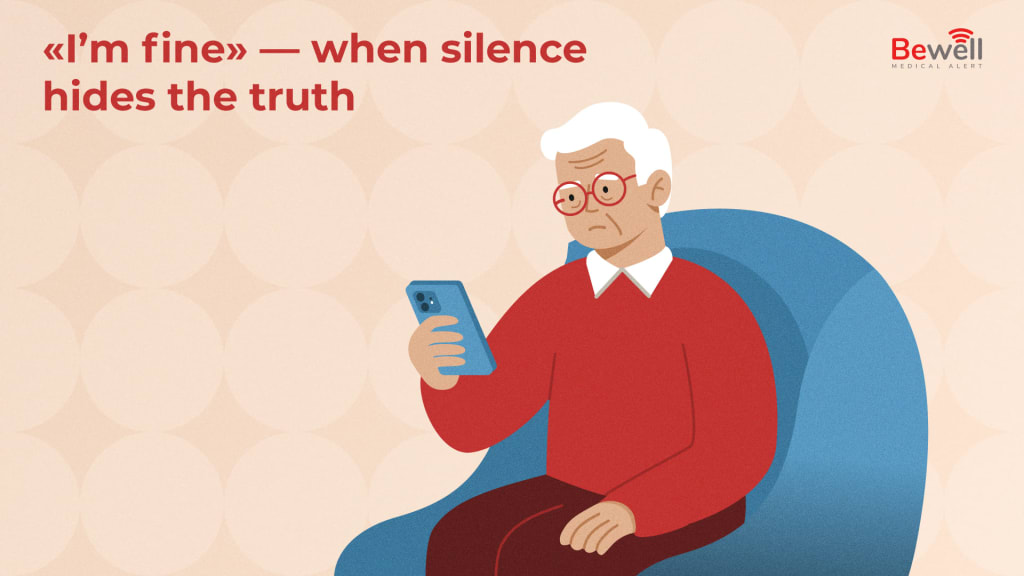
Many families have found themselves in a situation where an older loved one insists everything is fine, only to later discover a quiet health issue, an undetected fall, or even a growing sense of isolation. The challenge is not always about being physically present; it’s about recognizing the unspoken — the subtle changes, the quiet struggles, and the instinctive feeling that something is not quite right.
Understanding when “I’m fine” actually means “I’m not ready to ask for help” is one of the most important, and often most overlooked, aspects of supporting older adults in maintaining both their safety and their dignity.
Why Older Adults Often Downplay Health Issues
To understand the behavior, we must first understand the mindset. Many older adults, especially those born in the mid-20th century or earlier, were raised with a strong sense of self-reliance. They are often less comfortable acknowledging vulnerability, and many have lived through times when personal problems were kept private and strength was shown by staying silent.
Admitting to difficulty — whether physical, cognitive, or emotional — can feel like surrendering control. For some, it’s a fear of losing independence or being seen as a burden. For others, it’s a reluctance to worry children who already have busy lives. In some cases, health symptoms are simply misinterpreted or dismissed as “just part of getting older.”
Whatever the reason, the outcome is the same: critical information goes unspoken. Meanwhile, small changes — slower movements, quieter moods, forgotten dates, or unexplained bruises — begin to accumulate, often without drawing much attention. Until, of course, they do.
The Quiet Clues That Something May Be Wrong
While major health events — like a fall or hospitalization — are often what finally spark a response, the signs that precede them are usually subtle, even easy to overlook. The truth is, older adults rarely broadcast their challenges. Instead, the signs often show up as quiet shifts: changes in routine, hygiene, mood, or habits.
You might notice your mother, who once loved gardening, hasn’t been outside in days. Or that your father, once meticulous about his wardrobe, seems uncharacteristically disheveled. Maybe bills are going unpaid, meals uneaten, medications forgotten. In conversation, you might hear repeated stories or vague responses to specific questions. These changes can feel small — until you recognize the pattern.
Emotional withdrawal can be especially difficult to detect. An aging loved one who becomes more quiet or less engaged in family life may not appear outwardly distressed but could be grappling with depression, loneliness, or cognitive decline. The absence of complaint is not the same as the absence of need.
These are not just signs of aging — they are signals, often silent, that additional support may be needed.
Trusting Instinct, Opening Conversations
If you’ve ever ended a visit or phone call with an unsettled feeling — a nagging sense that something didn’t quite add up — you’re not imagining it. Often, our instincts are more perceptive than we realize. The key is finding the right way to act on that instinct without sounding intrusive or alarmist.
Rather than asking directly, “Are you okay?” — a question that’s easy to dismiss — try reflecting your observations in a calm, compassionate way. Phrases like “I noticed you haven’t been going to the community center lately — has something changed?” or “You seemed a little tired when we spoke last time — how have you been feeling this week?” are more likely to open a door.
These conversations are not always easy. But when approached with warmth and respect, they can build trust over time. And often, that trust is what allows older adults to feel safe enough to share what’s really happening.
Technology as a Bridge, Not a Barrier
Still, even the most attentive family can’t be present 24/7. And for many older adults — particularly those who live alone or still enjoy independent routines — unexpected incidents like a fall, a sudden illness, or a moment of disorientation can happen when no one is around to notice.
This is where supportive, human-centered technology can make a meaningful difference.
At BeWell Medical Alert, we’ve designed our systems to address precisely this gap — not by replacing human care, but by quietly supporting it. Our emergency alert smartwatch and lightweight mobile device were created with one goal in mind: to empower older adults to live independently while ensuring that help is available the moment they need it, even if they don’t ask for it.
Unlike more complex devices that can feel overwhelming or stigmatizing, BeWell Alert focuses on simplicity and dignity. With discreet wearability, fall detection, and one-touch emergency assistance, it becomes a silent partner in a person’s daily life — one that doesn’t interfere, but stands ready in moments of real need.
For families, it offers peace of mind. For older adults, it preserves autonomy. And for both, it creates a bridge of safety between “I’m fine” and “I need help” — even if those words are never spoken.
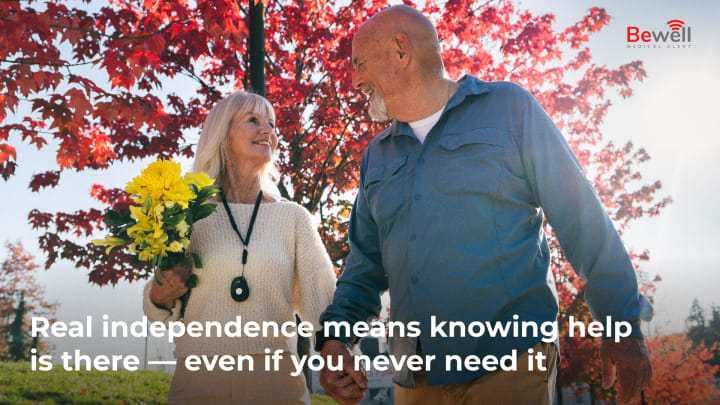
A New Model of Support
Supporting someone in the later stages of life isn’t about taking over — it’s about walking alongside. It’s about recognizing that aging brings changes, some visible, others not, and that the strongest relationships are those where care is proactive, not reactive.
Sometimes, the most compassionate thing we can do is to gently question the words “I’m fine.” Not because we doubt our loved ones — but because we love them enough to look deeper.
Technology like BeWell Alert does not replace care, but it enhances it. It allows independence and safety to co-exist. It gives families the ability to focus on connection, knowing that support is always within reach.
Because growing older should never mean growing invisible. And behind every “I’m fine,” there should be someone listening — and ready.
About the Creator
Olivia Pegula
I share research-based tips on aging, caregiving, and well-being to support the everyday life of older adults.
Keep reading
More stories from Olivia Pegula and writers in Longevity and other communities.
Solo, But Not Lonely: How to Enjoy Life When You Live Alone
Crafting a Fulfilling Daily Rhythm The beauty of living alone is the ability to design days that truly reflect your preferences. Without the need to accommodate others' schedules, you can create routines that nourish your mind, body and spirit. Many thriving solo seniors start their mornings with intentional rituals - perhaps sipping tea while watching the sunrise, writing in a gratitude journal, or doing gentle stretches to their favorite music. These small moments of mindfulness set a positive tone for the day ahead.
By Olivia Pegula5 months ago in Longevity
Day 4 of Quitting
If this is how sobriety feels, maybe it’s better to go through life a little buzzed… this, along with other hits like, I want to kill myself, I wish I was dead, and I’m going to throw myself off a bridge have been the only thoughts on rotation these past few days. I promise myself that if, in a month, I still feel like this (‘this’ meaning despondent, full of rage, and simultaneously numb) I can go back to smoking. Until mid-February though? Nicotine is off the table.
By sleepy drafts14 days ago in Longevity
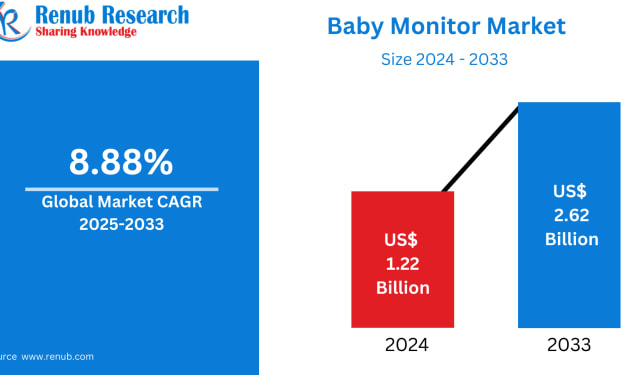
Baby Monitor Market Trends & Summary: How Smart Parenting Tech Is Shaping the Future of Child Safety
Introduction: A New Era of Digital Parenting Parenting in the modern world looks very different from what it did even a decade ago. As more parents balance demanding careers with family life, technology has stepped in as a silent partner—helping caregivers stay connected, informed, and reassured. Among the most trusted of these innovations is the baby monitor, a device that has evolved from simple audio tools into intelligent, AI-powered guardians.
By Marthan Sirabout 18 hours ago in Longevity


Comments
There are no comments for this story
Be the first to respond and start the conversation.