
Sleeping is an investment to your happiness
Discover How a Good Night’s Rest Boosts Your Brain, Body, and Longevity

Sleep is an essential part of life, yet many of us underestimate its importance. In today’s fast-paced world, sacrificing sleep has become common, whether to meet work deadlines, scroll through social media, or binge-watch a favorite show. However, sleep is far from a luxury—it’s a necessity. The time we spend resting is vital for our physical health, mental clarity, and emotional balance.
The average person spends about one-third of their life asleep. For someone who lives to 75, this translates to approximately 25 years spent sleeping. That might sound like a lot of time, but this investment pays off significantly. Studies show that people who sleep well live, on average, five years longer than those who don’t.
Sleep isn’t just about resting; it’s a period of intense biological activity. The body repairs damaged tissues, consolidates memories, and regulates hormones. Without this essential process, the quality of life—and even life expectancy—can decline sharply.
Why Do We Sleep?
From an evolutionary perspective, the necessity of sleep might seem puzzling. Why would humans make themselves vulnerable to predators by becoming unconscious every night? The answer lies in the immense benefits of sleep, which outweigh the potential risks.
Science journalist Ginny Smith explained on BBC Radio 4’s Inside Science that sleep is vital for brain function. When we’re sleep-deprived, it becomes harder to concentrate, learn, or solve problems. During sleep, the brain consolidates new information, moving it from short-term memory to long-term storage. This process ensures that knowledge is retained and integrated with what we already know.
Interestingly, sleep also helps with problem-solving. Have you ever woken up with a solution to an issue that seemed insurmountable the night before? That’s because the brain continues working on problems while we sleep, organizing thoughts and connections in ways we might not consciously manage during the day.
The Hidden Dangers of Sleep Deprivation
While the benefits of adequate sleep are immense, the consequences of too little sleep can be devastating. Sleep deprivation is more than just feeling tired; it’s a form of stress that wreaks havoc on the body.
When you don’t get enough sleep, your body activates its fight-or-flight response. This reaction, designed to protect us in dangerous situations, prioritizes short-term survival over long-term health. Chronic sleep deprivation—caused by factors like work stress, financial worries, or simply poor sleep habits—leads to a constant state of stress.
This stress suppresses the immune system, leaving the body vulnerable to infections and illnesses. Over time, the knock-on effects of sleep deprivation can contribute to severe health problems, including heart disease, obesity, and diabetes. Sleep-deprived individuals also experience difficulty regulating emotions, which can strain relationships and exacerbate mental health issues like anxiety and depression.
Beyond memory consolidation and problem-solving, sleep also serves as the brain’s cleaning time. Research has shown that during sleep, the brain clears out waste products that accumulate during the day. This “clean-up” process is thought to play a crucial role in preventing neurodegenerative diseases like Alzheimer’s. In addition, sleep regulates hormones that control appetite and stress. Poor sleep disrupts these hormones, which can lead to weight gain and increased stress levels—further compounding health risks.
If you’re convinced of the importance of sleep but struggle to get enough, there are simple steps you can take to improve your sleep habits. Create a relaxing bedtime routine, avoid caffeine and screens before bed, and establish a consistent sleep schedule. Small changes like these can make a significant difference in the quality and quantity of your sleep.
Sleep is not just a passive state of rest; it’s a vital process that rejuvenates the mind and body. By prioritizing sleep, you’re not only improving your daily productivity and mood but also safeguarding your long-term health. Whether it’s solving problems, consolidating memories, or preventing chronic illnesses, a good night’s sleep is your body’s way of ensuring that you live a longer, healthier, and more fulfilling life. So tonight, put away your distractions and give yourself the gift of rest—you’ve earned it!
About the Creator
Keep reading
More stories from Saida Ahmadli and writers in Longevity and other communities.
How What We Eat Affects How We Feel
When life gets stressful or our mood takes a dip, many of us turn to food for comfort. A slice of cake, a bowl of pasta, or a chocolate bar can make us feel better — at least for a little while. This is something psychologists call emotional eating: eating food not because we’re hungry, but because we’re sad, anxious, or simply looking for a way to lift our spirits.
By Saida Ahmadli5 months ago in Longevity
The Hidden Cost of "Safe" Senior Living: When Retirement Dreams Turn Into Legal Battles
Older Americans often view senior housing as a reward after years of effort. These places, such as self-contained apartments or full-service retirement homes, advertise professional care, calm routines, and peace of mind. Loved ones might picture them as quiet refuges.
By William Powell3 days ago in Longevity
Meet the Parsi Cousin of Biryani — Niloufer Mavalvala’s Murghi no Palau
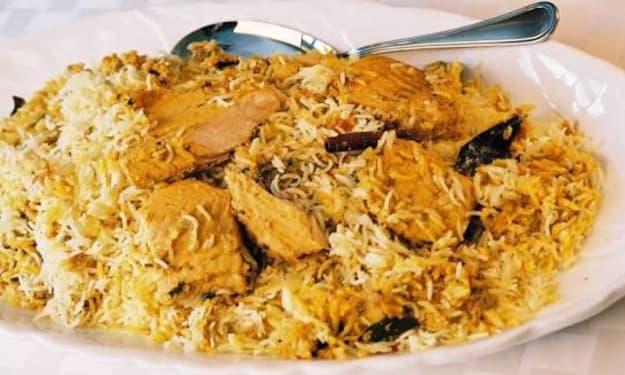
When it comes to Indian cuisine, biryani often steals the spotlight with its fragrant rice, tender meat, and complex spices. Yet, among the Parsi community in India, a lesser-known cousin of biryani — Murghi no Palau — holds a cherished place at family tables and festive occasions. Chef Niloufer Mavalvala, a celebrated Parsi culinary historian and cookbook author, has been instrumental in bringing this traditional dish to wider attention, showcasing the delicate flavors and cultural significance that distinguish it from its more famous relative. Murghi no Palau literally translates to “chicken with rice” and is a Parsi take on the classic rice-and-meat combination. While it shares similarities with biryani, including the use of aromatic spices, the dish emphasizes subtlety over the fiery intensity that biryani is often known for. Mavalvala explains that Parsi cooking traditionally favors a balance of flavors, where no single spice overwhelms the palate, and each ingredient contributes to a harmonious whole. “The beauty of Murghi no Palau lies in its elegance,” says Mavalvala. “It’s not just a dish; it’s a reflection of Parsi values — refinement, restraint, and celebration of good ingredients.” The dish typically features marinated chicken cooked with basmati rice, onions, saffron, and ghee, with a medley of mild spices such as cinnamon, cardamom, and cloves. Unlike many biryani variants, it avoids heavy use of chili or hot masalas, allowing the natural flavors of the chicken and rice to shine. Historically, Murghi no Palau has been a dish reserved for special occasions within Parsi households. Weddings, Navroz (the Parsi New Year), and milestone celebrations often feature this dish as a centerpiece. Mavalvala notes that its preparation is considered an art form, with layers of rice and meat carefully arranged to ensure even cooking and flavor distribution. “Every family has its own version,” she says. “Some add raisins or cashews, some prefer a hint of rosewater. It’s a dish of tradition, but also of personal expression.” The Parsi community, originally Zoroastrians who migrated to India from Persia centuries ago, has a rich culinary heritage that blends Persian, Gujarati, and British influences. Murghi no Palau exemplifies this synthesis, reflecting both the Persian roots of rice pilafs and the subtle Indian spice sensibilities acquired over generations in Gujarat and Mumbai. Mavalvala has dedicated much of her career to documenting Parsi recipes that risk fading into obscurity. Through her cookbooks, workshops, and online classes, she has shared step-by-step instructions for Murghi no Palau, emphasizing techniques such as slow-cooking chicken to preserve tenderness and layering saffron-infused rice for both aroma and visual appeal. She also stresses the importance of ghee and fresh ingredients, which she says are central to achieving authentic flavor. One striking feature of Murghi no Palau is the use of caramelized onions, which add both sweetness and depth to the dish. Combined with saffron and mild spices, the onions create a golden, fragrant rice that is at once comforting and elegant. The chicken, marinated in yogurt, garlic, and a touch of turmeric, cooks gently alongside the rice, infusing it with subtle richness without overwhelming the palate. For those accustomed to robust biryani flavors, Murghi no Palau offers a gentle, nuanced experience. It invites diners to appreciate restraint, balance, and the layering of textures — characteristics that define much of Parsi cuisine. Mavalvala believes that sharing this dish with wider audiences helps preserve an important cultural legacy. As global interest in regional Indian cuisines grows, Murghi no Palau is increasingly appearing on menus in Mumbai, Delhi, and even international restaurants dedicated to Parsi fare. Food enthusiasts and chefs alike are discovering that this “cousin of biryani” is not merely a variant, but a dish that embodies centuries of tradition, history, and the Parsi philosophy of life: measured, thoughtful, and full of warmth.
By Fiaz Ahmed 3 days ago in Longevity
Guard Your Battery
Why are some people so attractive just by standing there? It’s not because they are "likable," but because they don’t need everyone to like them. I realized later that truly charismatic people allow themselves to be criticized, but they never criticize themselves. They never try to please the world; instead, the world stops to watch them.
By Emily Chan - Life and love sharing5 days ago in Poets



Comments
There are no comments for this story
Be the first to respond and start the conversation.