
How What We Eat Affects How We Feel
We are what we eat
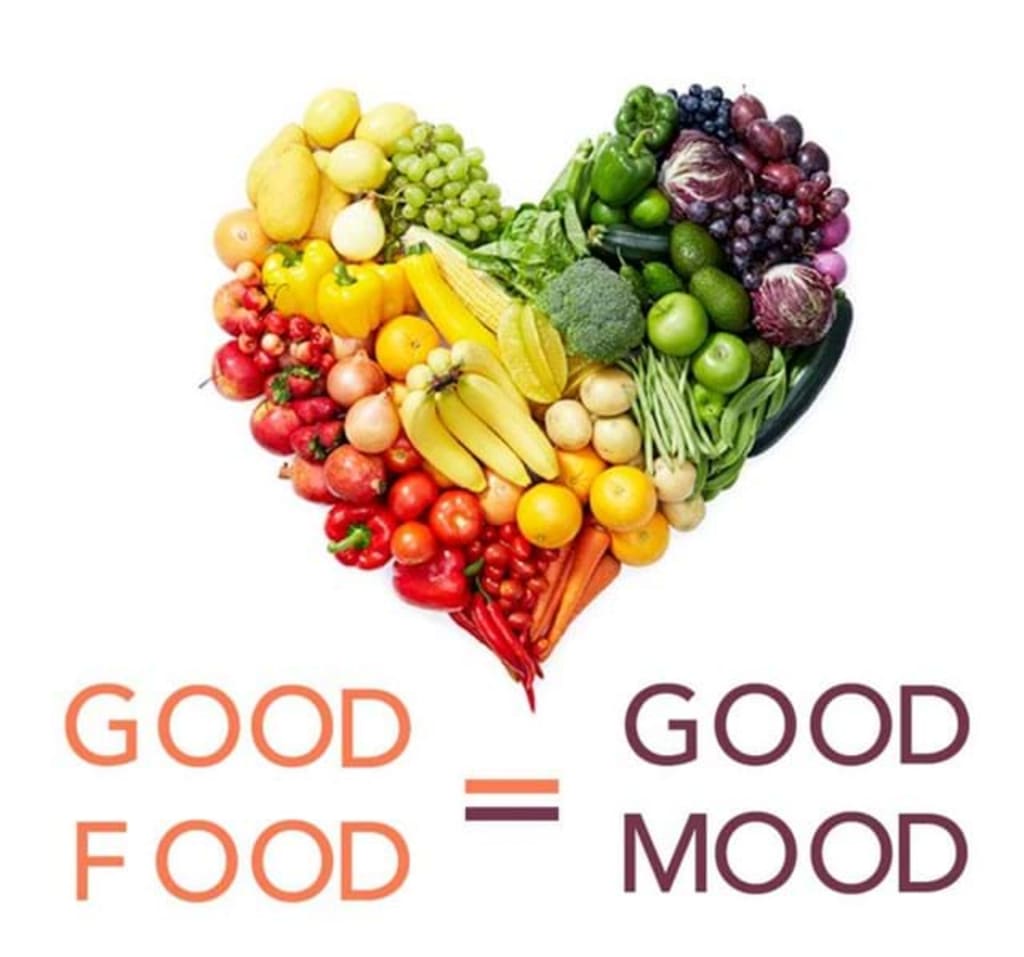
When life gets stressful or our mood takes a dip, many of us turn to food for comfort. A slice of cake, a bowl of pasta, or a chocolate bar can make us feel better — at least for a little while. This is something psychologists call emotional eating: eating food not because we’re hungry, but because we’re sad, anxious, or simply looking for a way to lift our spirits.
However, scientists are discovering that the link between food and mood goes far deeper than comfort eating. The food we put into our bodies can have a powerful impact on how our brains work — and how we feel emotionally.
🍩 Comfort Food: A Short-Lived Fix
We’ve all experienced it: a bad day, a low mood, and a craving for something sweet or indulgent. Comfort food, as the name suggests, provides a sense of warmth and reassurance. Unfortunately, that feeling is short-lived.
Most comfort foods — like cakes, pastries, fried snacks, and sugary drinks — are high in carbohydrates and refined sugar. These foods cause a quick spike in blood sugar levels, giving us a temporary burst of energy. But what follows is a crash: energy levels drop, mood declines, and the cycle of craving begins again.
Eating this way can make us feel even worse in the long run. Emotional eating might offer a few minutes of satisfaction, but it rarely addresses the real source of sadness or stress.
👨🍳 Stress, Appetite, and the Kitchen Environment
Interestingly, even professional chefs struggle to maintain healthy eating habits. Danny Edwards, a chef who has spoken openly about his experiences with depression, describes how working in a high-pressure kitchen affects his relationship with food.
“When you’re working in a kitchen for long periods, your appetite can become suppressed. You don’t really feel like you can stop and eat. You just grab something quick, which we all know isn’t great for us.”
Despite being surrounded by food all day, Danny explains that stress often suppresses his appetite — the natural desire to eat. In fast-paced jobs like his, there’s no time to sit down for a proper meal, so quick snacks or fast food become the norm. This “grab and go” lifestyle may be convenient, but it’s far from healthy.
🥗 The New Science of Nutritional Psychiatry
The idea that food affects our mental health is not new, but it’s only recently begun to gain serious scientific attention. One of the pioneers in this field is Professor Felice Jacka, an expert in nutritional psychiatry.
In her groundbreaking study, known as The SMILE Trial, Professor Jacka investigated whether a healthy diet could help people with depression. Participants were encouraged to eat fresh fruit and vegetables, whole grains, lean proteins, and healthy fats such as olive oil — and to reduce their intake of processed food, sugar, and junk snacks.
The results were remarkable. Those who improved their diets also reported significant improvements in mood and mental health. Simply put, eating better made them feel better.
But not everyone believed her at first. When Jacka first proposed her research, many of her colleagues thought the idea was “bananas” — slang for silly or crazy. They even rolled their eyes, doubting that nutrition could have any real effect on depression.
“Psychiatry has traditionally been focused on medication and the brain,” she explained. “Most doctors receive almost no nutrition training throughout their studies.”
Today, Professor Jacka’s work has been repeated successfully around the world, confirming a clear link between diet and emotional well-being.
💡 Why the Brain Needs Good Fuel
The connection between food and mood makes sense when we think about how much energy the brain uses. Although the brain makes up only 2% of the body’s total weight, it consumes roughly 20% of the body’s energy.
That means nearly a fifth of everything we eat goes to powering our thoughts, emotions, and concentration. When we feed our brains high-quality nutrients — vitamins, minerals, and healthy fats — we’re giving it the fuel it needs to function properly. But when our diet is full of sugar and processed foods, the brain struggles, and so does our mood.
🍎 Healthy Eating for a Happier Mind
So what should we eat if we want to feel good, both physically and emotionally? The answer lies in balance. A diet rich in whole, unprocessed foods — such as fruits, vegetables, nuts, legumes, and whole grains — provides the nutrients the brain and body need to perform at their best.
Omega-3 fatty acids, found in fish and flaxseeds, help support brain health. Complex carbohydrates release energy slowly, keeping blood sugar stable. Antioxidants in fresh fruits and vegetables help protect brain cells from stress and aging.
Next time you feel low and reach for a donut, try picking up an apple instead. It may not deliver the instant sugar rush you crave, but it will nourish your brain and stabilize your mood in the long term.
About the Creator
Keep reading
More stories from Saida Ahmadli and writers in Longevity and other communities.
Sleeping is an investment to your happiness
Sleep is an essential part of life, yet many of us underestimate its importance. In today’s fast-paced world, sacrificing sleep has become common, whether to meet work deadlines, scroll through social media, or binge-watch a favorite show. However, sleep is far from a luxury—it’s a necessity. The time we spend resting is vital for our physical health, mental clarity, and emotional balance.
By Saida Ahmadliabout a year ago in Longevity
Himalayan Salt Therapy Benefits for Women’s Health: A Modern Wellness Perspective
The health and wellness of women today is scrutinized not from a one-sided perspective. It is of a multidimensional character - it is concerned with the balance of hormones, the regulation of the nervous system, the quality of sleep, skin health, the strength of the respiratory system, and emotional state. As more people become interested in being inclusive towards integrative approaches of wellness, the approach of Himalayan salt therapy has not received credit as a miracle treatment but as a type of environment-based treatment, which fits in the objectives of holistic health results.
By David Smith6 days ago in Longevity
Are You Actually Burned Out or Just Nutrient Deficient?
Exhaustion has become the unofficial personality trait of university students. You wake up tired, drag yourself through lectures, lose focus halfway through studying, and end the day wondering why everything feels so heavy. Most students immediately assume one thing: I’m burned out.
By Being Inquisitiveabout 12 hours ago in Longevity


Comments
There are no comments for this story
Be the first to respond and start the conversation.