
Quick and Effective Home Workouts Without Equipment: Achieve Your Fitness Goals Anytime, Anywhere!
Discover the Benefits of Bodyweight Exercises, Short Workouts, and Simple Fitness Plans to Stay Fit and Healthy at Any Age.

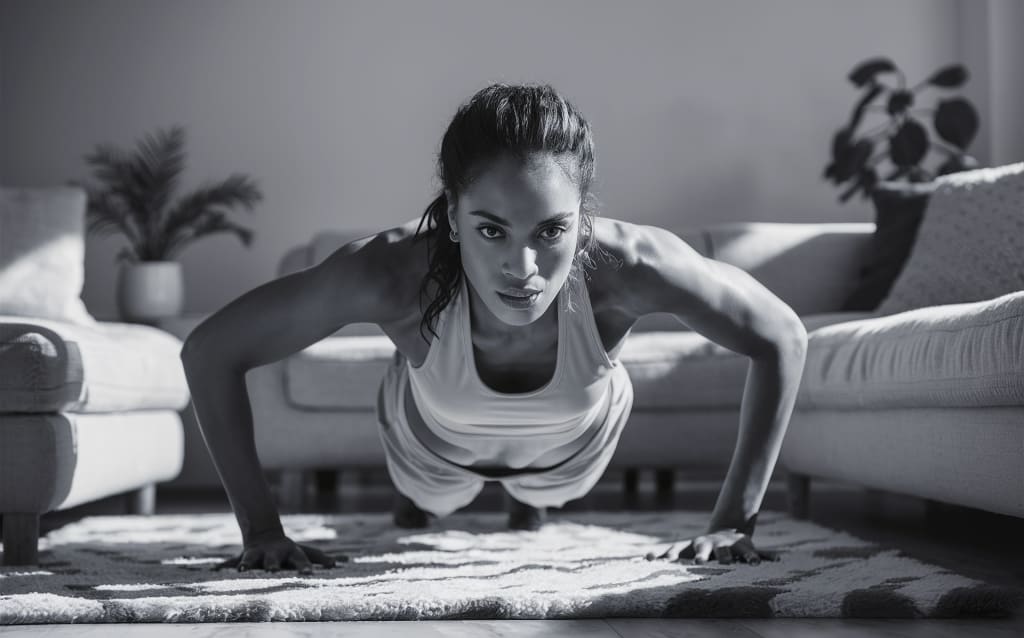
What is Exercise?
Exercise is a term that’s often used, but how many of us really understand what it means? Simply put, exercise is any activity that requires movement and engages your muscles to improve your physical fitness and overall health. Whether it’s cardio, strength training, or flexibility exercises, exercise helps to improve our bodies in countless ways. But here’s the catch: you don’t need fancy equipment or a gym membership to reap the benefits!
This article is your go-to guide for 10 effective workouts you can do at home without equipment. From bodyweight exercises that target all your muscle groups to tips on how to make your workouts more fun and sustainable, we’ve got everything you need to create a killer fitness routine right in your living room. So, grab some water, get ready to sweat, and let’s dive in!
________________________________________
What Does It Mean to Exercise Without Equipment?
Exercising without equipment simply means using your body weight as resistance to improve your strength, endurance, and flexibility. No dumbbells, no machines - just you, your body, and your willpower! These bodyweight exercises are incredibly versatile, and they can target every muscle group without the need for extra gear. Whether you want to work on your core, build strength, or get your heart pumping with some cardio, bodyweight exercises can help you achieve it all.
________________________________________
How Long Should an Exercise Be to Be Effective?
Time is a major factor when it comes to effective workouts. But here's the thing: it’s not all about duration; it’s about intensity. A 20- to 30-minute workout can be super effective, especially if you’re engaging in high-intensity exercises that keep your heart rate up and challenge your muscles.
For those who are short on time, don’t worry! 10-minute home workouts can still be highly effective. A quick, high-intensity routine, like a HIIT (High-Intensity Interval Training) workout, can boost your metabolism, burn fat, and even increase cardiovascular endurance, all in just 10 minutes.
________________________________________
5-5-5-30 Exercise: What Is It?
If you're looking for a simple, quick, and well-rounded workout that you can do at home, the 5-5-5-30 exercise is a great place to start. This exercise routine consists of the following:
- 5 Push-ups: A classic upper-body exercise that works your chest, shoulders, and triceps.
- 5 Squats: A lower-body staple to strengthen your quads, glutes, and hamstrings.
- 5 Lunges (per leg): A dynamic move to target your legs, glutes, and core.
- 30-second Plank: A core-strengthening exercise that also engages your arms, shoulders, and back.
Repeat this circuit 2–3 times, and you’ve got yourself a full-body workout in just a few minutes. Not bad for a quick routine that you can fit into any part of your day!
________________________________________
The 10-3-1-7 Fitness Plan
Here’s another simple plan for a balanced workout routine:
- 10 minutes of cardio: Start with a quick burst of cardio to get your heart rate up. You can run in place, jump rope, or do high knees.
- 3 sets of strength exercises: Pick three bodyweight exercises (like squats, lunges, or push-ups) and perform 10-12 repetitions each.
- 1 minute of stretching: Don’t skip the cool down! Stretch your muscles gently to improve flexibility and prevent injury.
- 7 days a week: Aim to exercise daily for consistency and to see the best results over time.
This plan gives you a quick, full-body workout, focusing on both strength and cardiovascular health.
________________________________________
The History of Exercise
Exercise has been a part of human life for millennia. Ancient civilizations, like the Greeks and Romans, embraced physical fitness, with early forms of exercise involving activities like running, wrestling, and weightlifting. These early workouts focused on building strength, agility, and endurance.
Fast forward to the 19th and 20th centuries, when exercise became more formalized with the rise of organized sports, gyms, and fitness clubs. Today, exercise is a global industry, with millions of people engaging in fitness routines to improve their health and well-being.
________________________________________
Body-Burning Moves That Don’t Require Weights
You don’t need heavy equipment to get your body burning. Here are some bodyweight exercises that will push you to your limits:
- Push-ups: These classic moves engage your chest, shoulders, and triceps. Try variations like incline push-ups or wide-grip push-ups to challenge your muscles further.
- Squats: Perfect for building leg and glute strength. For added intensity, try jump squats or pistol squats.
- Lunges: These are great for toning your thighs and glutes. Make them more challenging by adding a jump or holding a lunge for a few seconds.
- Mountain Climbers: These high-intensity moves work your core, arms, and legs while boosting your cardiovascular fitness.
- Planks: A fantastic core workout. Hold a plank for as long as you can, or mix it up with side planks to target your obliques.
These moves work multiple muscle groups simultaneously, making them highly effective for a full-body workout.
________________________________________
Why Is It Important to Exercise Every Day?
The benefits of daily exercise are countless. Regular physical activity helps to:
- Boost your mood: Exercise releases endorphins, which improve mood and reduce stress.
- Increase energy levels: Regular movement increases circulation and delivers more oxygen to your muscles and brain.
- Enhance cardiovascular health: A strong heart is essential for overall well-being.
- Maintain a healthy weight: Exercise helps to burn calories and prevent weight gain.
- Reduce the risk of chronic diseases: Staying active lowers the risk of conditions like heart disease, diabetes, and certain cancers.
________________________________________
Can Kids and the Elderly Exercise?
Absolutely! Exercise is important for people of all ages, but the type of activity should be tailored to the individual’s age and ability.
- For kids: Physical activity is crucial for growing bodies. Fun, high-energy exercises like jumping jacks, running, or even dancing can help build coordination and strength.
- For the elderly: Gentle, low-impact exercises like walking, yoga, or chair exercises can improve balance, flexibility, and mobility. Strength training with bodyweight exercises like squats or wall push-ups is also beneficial for maintaining muscle mass and bone density.
Both kids and seniors benefit from regular physical activity, and it’s a great way to stay healthy and vibrant throughout life.
________________________________________
What Happens If Exercises Aren’t Done Properly?
Proper form is crucial for any exercise. If exercises are done incorrectly, there is an increased risk of injury. For example:
- Poor squat form can strain your knees and lower back.
- Doing push-ups with incorrect arm placement may cause shoulder injuries.
- Not warming up or cooling down properly can lead to muscle strains.
To avoid injury, focus on maintaining good posture and form during each movement. If you’re unsure about how to do an exercise correctly, consider consulting a fitness professional or using reliable online resources.
________________________________________
What Exercises Are Best for Me and What Are Best for Women?
The best exercises for you depend on your fitness goals. However, some exercises are universally effective, no matter your gender or fitness level. These include bodyweight exercises like:
- Squats
- Push-ups
- Lunges
- Planks
- Mountain climbers
For women, exercises that target the lower body (like squats and lunges) are great for toning and shaping. Upper body exercises like push-ups and planks will also help build a strong, balanced body.
________________________________________
Pros and Cons of Exercising at Home
Pros:
- Convenience: Work out whenever it fits your schedule.
- Cost-effective: No need to invest in a gym membership or expensive equipment.
- Privacy: You can work out in the comfort of your own home, avoiding any gym anxiety.
Cons:
- Limited variety: Without access to gym equipment, you may have fewer exercise options.
- Potential distractions: Being at home can make it harder to focus on your workout.
- Space limitations: Depending on your living situation, you might not have enough room for certain exercises.
________________________________________
Is Exercising Without Equipment Effective?
Yes! Bodyweight exercises can be incredibly effective. By focusing on intensity, proper form, and consistency, you can achieve fantastic results without the need for any weights or machines. In fact, some studies have shown that bodyweight training can be just as effective as using gym equipment.
________________________________________
What to Do Before You Start Exercising at Home
Before jumping into your workout, keep these tips in mind:
- Warm up: Do a few minutes of light cardio or dynamic stretching to prepare your body.
- Clear the area: Make sure your workout space is free of obstacles and hazards.
- Hydrate: Drink water before, during, and after your workout to stay hydrated.
- Set a goal: Know what you’re aiming for, whether it’s building strength, losing weight, or improving endurance.
________________________________________
Meal and Hydration Tips for Effective Home Workouts
Eating the right foods and staying hydrated is key to getting the most out of your workout.
- Before a workout: Eat a light snack that combines carbs and protein, like a banana or yogurt with granola.
- After a workout: Replenish your muscles with protein and carbs to aid recovery. A smoothie with fruit, protein powder, and almond milk is a great option.
Water is essential before, during, and after exercise. Stay hydrated to help prevent fatigue and improve your performance.
________________________________________
A Personal Story: How Exercising at Home Changed My Life
Let me share a personal experience. A few years ago, I was struggling to find the time for a gym routine, and the thought of getting ready and driving to the gym was a huge barrier. So, I decided to give home workouts a try. At first, it was difficult to stay motivated. But as I stuck to a simple routine of 15-minute workouts, I noticed changes—my energy levels soared, my muscles became more toned, and I was feeling stronger both physically and mentally. I didn’t need any fancy equipment or a gym membership to get the results I wanted. Exercising at home gave me the flexibility I needed while still achieving my fitness goals. Now, working out at home is an essential part of my routine!
________________________________________
Final Thoughts
Exercising at home without equipment is not only possible but incredibly effective. Whether you’re looking to lose weight, build strength, or simply stay active, bodyweight exercises are an excellent option. The key is consistency, intensity, and making your workouts enjoyable. So, get moving, have fun, and remember your fitness journey starts with just one step (or squat, or push-up)!
________________________________________
Disclaimer:
The information provided in this article is intended for general informational purposes only and should not be construed as medical advice or a substitute for professional training. Before beginning any new exercise program or routine, it is important to consult with a healthcare provider, especially if you have any pre-existing medical conditions, injuries, or concerns about your fitness level.
The author and publisher of this article are not responsible for any injuries or damages that may occur while performing exercises or activities suggested herein. It is essential to perform exercises with proper form and technique to reduce the risk of injury. If you experience any pain, discomfort, or other symptoms while exercising, stop immediately and seek medical advice.
Always listen to your body, and if you're new to exercise or have any health issues, consider working with a fitness professional to ensure safe and effective execution of exercises.
About the Creator
Diana Crooks
Storyteller with a knack for turning life’s chaos into compelling reads. Whether it’s quirky, thoughtful, or just plain unexpected, my content is here to entertain and inspire. Come for the words, stay for the vibes!
Keep reading
More stories from Diana Crooks and writers in Longevity and other communities.
The Anticipated Surge in COVID-19 Cases: What to Expect in 2025
Is COVID-19 Still Around? Yes, COVID-19 remains a global health concern in 2025. While the intensity of the pandemic has diminished compared to its peak years, periodic surges in cases remind us that the virus has not disappeared. It has transitioned into an endemic stage, meaning it’s expected to persist in communities worldwide, similar to influenza.
By Diana Crooks12 months ago in Longevity
Day 4 of Quitting
If this is how sobriety feels, maybe it’s better to go through life a little buzzed… this, along with other hits like, I want to kill myself, I wish I was dead, and I’m going to throw myself off a bridge have been the only thoughts on rotation these past few days. I promise myself that if, in a month, I still feel like this (‘this’ meaning despondent, full of rage, and simultaneously numb) I can go back to smoking. Until mid-February though? Nicotine is off the table.
By sleepy drafts12 days ago in Longevity
Japan Orthopedic Prosthetics Market Size and Forecast 2025–2033
Japan Orthopedic Prosthetics Market Overview Japan’s orthopedic prosthetics market is entering a new phase of steady and technology-driven expansion, shaped by demographic shifts, healthcare modernization, and rising awareness of mobility restoration solutions. According to Renub Research, the Japan Orthopedic Prosthetics Market is expected to reach US$ 163.04 million by 2033, up from US$ 104.65 million in 2024, growing at a CAGR of 5.05% from 2025 to 2033.
By Renub Researchabout 3 hours ago in Longevity
The Devil's Cut
“Comrade, finally you’re awake.” The voice was smooth, sensual. A flickering incandescent bar was all that lit the white, sterile room. All Vladimir remembered was everything going black. He tried to move his arms and found them strapped to the gurney.
By Matthew J. Fromm5 days ago in Fiction




Comments
There are no comments for this story
Be the first to respond and start the conversation.