
The Anticipated Surge in COVID-19 Cases: What to Expect in 2025
Understanding the Factors Behind the Surge and How to Stay Prepared in the Coming Year


Is COVID-19 Still Around?
Yes, COVID-19 remains a global health concern in 2025. While the intensity of the pandemic has diminished compared to its peak years, periodic surges in cases remind us that the virus has not disappeared. It has transitioned into an endemic stage, meaning it’s expected to persist in communities worldwide, similar to influenza.
Current COVID-19 Case Numbers
Exact global case counts fluctuate, but recent reports indicate localized outbreaks in various regions. As of early 2025, daily new cases range from tens of thousands to over 100,000 worldwide, depending on the country’s reporting standards and testing availability.
Is the Vaccine Still Working?
COVID-19 vaccines remain effective at reducing severe illness, hospitalizations, and deaths, even as new variants emerge. Updated vaccines, designed to target the latest variants, are regularly being deployed to maintain their efficacy. While breakthrough infections can occur, they are generally milder in vaccinated individuals.
Are People Getting Sick From the Vaccine?
Adverse effects from COVID-19 vaccines are rare and typically mild, such as soreness at the injection site, fatigue, or a mild fever. Severe side effects are extremely uncommon and closely monitored by health authorities worldwide.
How Many Vaccines Are Required?
The number of doses required depends on individual circumstances, including age, health status, and previous vaccinations. In general, most people are advised to receive an annual booster tailored to the most recent variants. Those with weakened immune systems may need additional doses for optimal protection.
How Long Has COVID-19 Been Around?
COVID-19 first emerged in late 2019, meaning it has been part of our lives for over five years. The virus, caused by the SARS-CoV-2 pathogen, has profoundly shaped global health, economies, and daily life since its discovery.
Is Another Pandemic Likely?
Public health experts acknowledge that the risk of future pandemics remains. Zoonotic diseases (those transmitted from animals to humans) are a particular concern. However, lessons learned from COVID-19 have led to stronger global surveillance systems and preparedness plans.
Are We Prepared for Another Pandemic?
Many countries have improved their pandemic preparedness, investing in healthcare infrastructure, vaccine manufacturing, and research. International cooperation has also strengthened. However, disparities in healthcare access and political will could hinder a uniform global response.
What Is COVID-19?
COVID-19 is a disease caused by the SARS-CoV-2 virus, which primarily targets the respiratory system. Symptoms range from mild (fever, cough, fatigue) to severe (pneumonia, organ failure). It spreads through respiratory droplets, close contact, and contaminated surfaces.
Origin of COVID-19
COVID-19 was first identified in Wuhan, China, in December 2019. It is believed to have originated from an animal reservoir, potentially bats, before transmitting to humans. The exact origins remain under investigation.
Preventing COVID-19
To reduce the risk of infection:
- Stay up to date with vaccinations and boosters.
- Practice good hygiene (e.g., handwashing, using sanitizer).
- Wear masks in crowded or poorly ventilated areas.
- Maintain social distancing where necessary.
- Test promptly if symptoms develop.
The Future of COVID-19
COVID-19 is expected to remain part of our lives but become more manageable over time. With advancements in vaccines, treatments, and public health measures, severe outbreaks may become increasingly rare.
How Deadly Is COVID-19 Now?
COVID-19’s lethality has decreased significantly due to widespread vaccination, natural immunity, and improved treatments. However, vulnerable populations—including the elderly and immunocompromised—remain at higher risk.
The Damage During the Pandemic
The pandemic caused immense loss of life, with over 6.9 million reported deaths globally as of 2023. Economically, it led to recessions, job losses, and disruptions in global trade. Socially, it strained mental health and highlighted systemic inequalities.
Are Vaccinations Up to Date?
Many individuals are current with their COVID-19 vaccinations. However, vaccine uptake varies by region. Efforts to educate and reach underserved populations continue.
Is There a Cure for COVID-19?
There is no definitive cure for COVID-19, but antiviral treatments like Paxlovid and remdesivir effectively reduce the severity of illness. Vaccination remains the best preventive measure.
How Many Have Died From COVID-19?
As of 2025, the global death toll exceeds 7 million. The actual number may be higher due to underreporting in some regions.
What Is Fully Vaccinated?
Being fully vaccinated now typically means receiving the initial vaccine series and the most recent booster designed for the prevailing variants.
COVID-19 Vaccine Side Effects
Common side effects include:
- Fatigue
- Headache
- Muscle pain
- Fever
Severe side effects are rare but can include allergic reactions or myocarditis (inflammation of the heart muscle).
What Are COVID-19 Boosters?
Boosters are additional vaccine doses that strengthen immunity against newer variants. They are generally recommended annually or as needed during surges.
Are Boosters Dangerous?
COVID-19 boosters are safe for the vast majority of people. Side effects are similar to those of the original vaccines and are typically mild.
Testing for COVID-19
COVID-19 tests include PCR tests (highly accurate) and rapid antigen tests (convenient and faster). Testing is advised if symptoms develop or after exposure to a confirmed case.
COVID-19 in 2025
The virus will likely remain a manageable health issue, with seasonal surges and ongoing vaccination campaigns. Continued vigilance and adaptability are key.
The Latest Variant
As of 2025, the dominant variants are descendants of Omicron, with mutations that enhance transmissibility but generally cause milder disease in vaccinated individuals.
Conclusion
COVID-19 has taught the world invaluable lessons about resilience, adaptability, and the importance of science. While the virus persists, improved healthcare measures and global collaboration offer hope for a safer future. By staying informed, proactive, and united, we can face whatever challenges COVID-19 or other pandemics may bring.
Disclaimer:
The information provided in this article is for general informational purposes only and should not be considered medical advice. While every effort has been made to ensure the accuracy of the content, the situation surrounding COVID-19 is continuously evolving. For the most current and accurate information, please consult reliable sources such as the World Health Organization (WHO), the Centers for Disease Control and Prevention (CDC), and local public health authorities.
The views and opinions expressed in this article are those of the author(s) and do not necessarily reflect the views of any organizations or entities. Readers are encouraged to consult healthcare professionals for personal medical advice or guidance related to COVID-19.
About the Creator
Diana Crooks
Storyteller with a knack for turning life’s chaos into compelling reads. Whether it’s quirky, thoughtful, or just plain unexpected, my content is here to entertain and inspire. Come for the words, stay for the vibes!
Keep reading
More stories from Diana Crooks and writers in Longevity and other communities.
The Rise of Urban Farming: How Growing Food in the City is Transforming Our Future
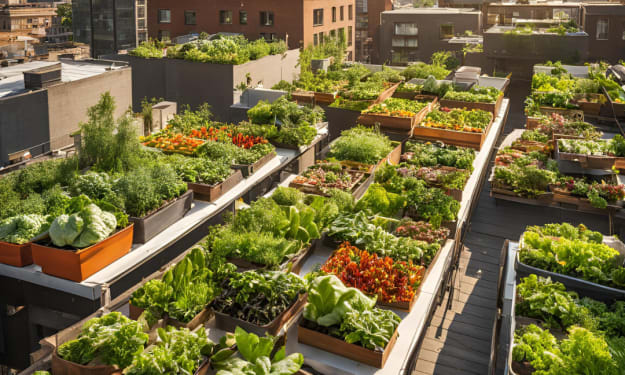
Urban farming has emerged as a revolutionary solution to many of the challenges faced by modern cities. With more people moving to urban areas and environmental concerns rising, the need for sustainable, locally grown food has never been greater. Urban farming, or growing food in city spaces, is transforming how we think about food production, consumption, and sustainability. This article explores the rapid growth of urban farming, its many benefits, and how anyone can get started in their own community.
By Diana Crooksabout a year ago in Longevity
Why Our Minds Overthink at Night
Have you ever noticed how your mind suddenly becomes extremely active at night? You lie down to sleep, but instead of resting, your brain starts replaying conversations, worrying about the future, or analyzing things that happened earlier in the day.
By Being Inquisitive6 days ago in Longevity
🥑 7 Superfoods Every Pregnant Woman Should Eat for a Healthy Baby
Pregnancy is a beautiful journey, but it also comes with an important responsibility—nourishing both the mother and the growing baby. During this time, what a woman eats becomes the baby’s main source of nutrients.
By Being Inquisitive5 days ago in Longevity


Comments
There are no comments for this story
Be the first to respond and start the conversation.