
More Than Just Stretching: The Life-Changing Power of Yoga
Achieve Harmony Through Movement, Breath, and Mindfulness

Introduction: Why Yoga is More Relevant Than Ever
In our fast-paced, technocratic existence, it's easy to disconnect—from our bodies, from others, and from ourselves, as well. Then there's yoga: a venerable practice that remains remarkably relevant today. It's more than a series of stretches or a way to bend your knees to touch your toes, though that's what many people think about yoga. Yoga is an entire body-discipline that soothes the body, clarifies the mind, and energizes the spirit.
Whether you need stress relief, greater flexibility, or increased purpose, yoga offers a solution. In this blog, we will touch on the many advantages of yoga and why incorporating it into your life can be one of the best things you will ever do.
1. Physical Benefits: Building Strength, Increasing Flexibility, and Balance
Increasing Flexibility:
Most are attracted to yoga because they want to become more flexible — and rightly so. Yoga gradually stretches and loosens up tight tissues. Practiced regularly, forward folds, lunges, and spinal twists of the body unlock it, making everyday movements easier and more comfortable. This flexibility also avoids injuries, particularly as we age.
Building Strength:
Yoga isn’t just stretching; it’s also strengthening. Holding poses such as plank, chair, or crow builds muscle endurance and tightens your body. Unlike weightlifting that causes isolated muscles to work, yoga works multiple muscles simultaneously, building functional strength to benefit everyday movement.
Enhancing Balance:
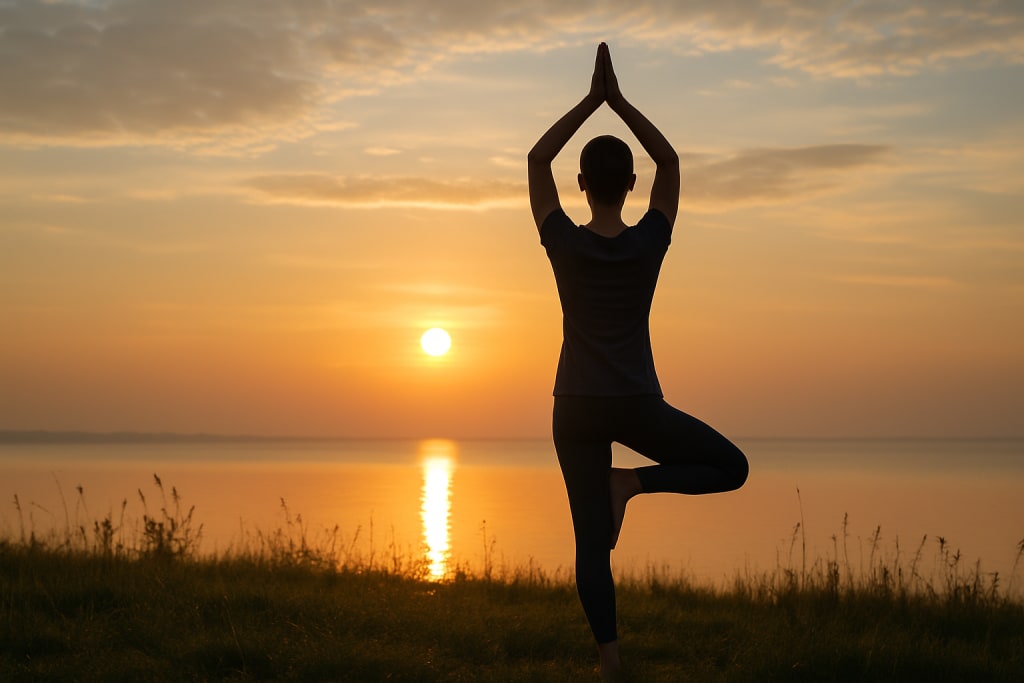
As we grow older, balance becomes crucial in preventing falls and injury. Yoga improves proprioception (your sense of body position in space) with poses like tree, eagle, and dancer. Balance improves, and so does body confidence — on and off the mat.

Yoga is a powerful practice for the mind and body — and pairing it with intentional reflection can take your growth even further. That’s why I recommend the Monthly Personal Growth Planner as a supportive tool on your wellness journey.
2. Cardiovascular and Metabolic Health
There are a few yoga styles, such as vinyasa or power yoga, that increase the heart rate and offer cardiovascular fitness. But even low-speed yoga calms the autonomic nervous system and leads to increased heart rate variability and improved circulation.
Yoga also helps regulate blood sugar and aid in metabolic process. Yoga has been shown to decrease inflammatory markers, decrease cholesterol, and even aid in weight loss by reducing cortisol (the stress hormone linked to belly fat).

3. Stress Relief and Mental Clarity
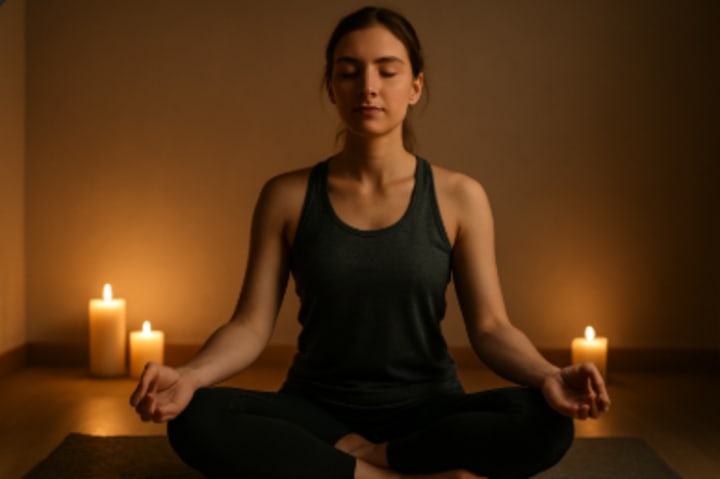
The most highly praised benefit of yoga is possibly its capacity to calm the mind. Yoga suppresses tension and stills the mind through pranayama (breath control), mindfulness, and meditation.
In a culture that glorifies busyness, yoga shows us how to slow down and live in the present moment. Not only does this lower stress, but it can also increase concentration and mindpower. Practitioners claim they think more clearly and overcome challenges more readily after adopting a regular yoga practice.
4. Emotional Resilience and Mood Enhancement
Yoga also serves as a natural antidepressant. The union of mindful movement, controlled breathing, and fraternity (when you practice in a class) triggers the release of endorphins and dopamine.
Also, there are certain postures — like heart-openers and backbends — through which joy is thought to be energetically awakened and depression fought. In becoming our own best friends, yoga makes us emotionally stronger when the roller-coaster ride of life hits us.

5. Enhancing Sleep
If insomnia or sleeplessness is your bane, yoga can be your natural remedy. Gentle evening routines or restorative poses encourage the stimulation of the parasympathetic nervous system — your “rest and digest” state.
This allows a smooth sleep and maintenance of sleep. Pranayama practices like alternate nostril breathing (Nadi Shodhana) can also calm down a restless mind before sleep.

6. Yoga for Pain Management
Physicians more and more are referring patients to yoga for treating chronic pain, whether back pain, arthritis, or tension headaches. It increases circulation, stretches out tight spaces very softly, and builds supporting strength.
As important, yoga shifts your relationship with pain. Being present lets you observe sensation without adding emotional anguish to it. Ultimately, most can find their pain less disabling or more bearable.

As with yoga, growth happens over time with consistent effort. I use tools like the Monthly Personal Growth Planner to set intentions, track progress, and stay centered.
7. Enhancing Self-Knowledge and Spiritual Awareness
Yoga is unique in that it doesn’t limit itself to the body — it’s an adventure within. With regular practice, you become attuned to your thoughts, habits, and emotions in a more pronounced way. This sensitivity often leads to quite phenomenal personal growth.
Others find a gateway to spirituality, but defined. Perhaps it is acute sensitivity to surroundings, more appreciation for existence, or simply to be in tune with something greater than the self.

8. Creating a Sense of Community
Humans are social creatures, and yoga communities can be wonderfully supportive. Either in a local class or online community, yoga together fosters community and responsibility.
Sharing it has the potential to forge new friendships and that comforting feeling of belonging, which in itself has huge mental health benefits.

9. Yoga is for Every Body
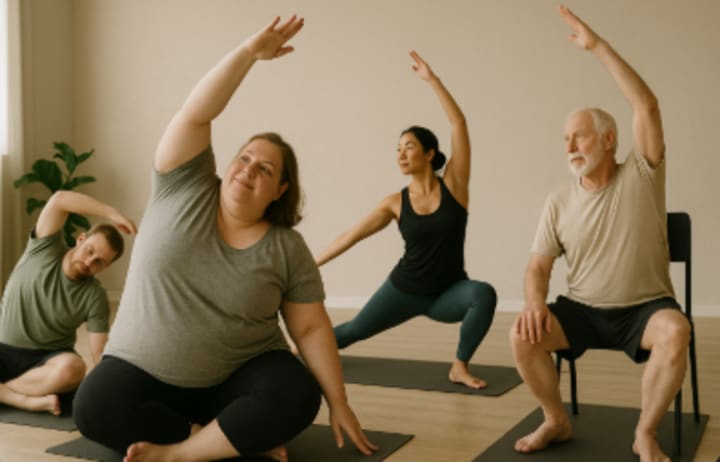
It’s interesting to point out that yoga is adaptable. You don’t need to learn it when you’re young, slender, and naturally flexible. You can start whenever. Props, modifications, and varied styles make yoga accessible to all — who might be recovering from injury, experiencing a health condition, or just starting to move.
There’s a style to suit all: relaxing hatha, lively vinyasa, restorative yin, or profoundly relaxing restorative yoga. Such availability is one of the greatest gifts that yoga has to offer.
Conclusion: Begin Where You Are
Yoga has a million benefits, ranging from strong muscles and calmer nerves to increased self-knowledge and richer relationships. And yet perhaps the biggest strength is that it welcomes you where you are.
You don’t require fancy machines, expensive lessons, or an ideal body to begin. Just a willingness to learn about your breath and take your body for a ride. Over time, these small, gentle steps can transform your entire life.

Resources and Further Reading
Books:
- “The Heart of Yoga” by T.K.V. Desikachar
- “Light on Yoga” by B.K.S. Iyengar
- “Yoga Anatomy” by Leslie Kaminoff
Websites & Studies:
If you’re ready to deepen your self-awareness alongside your yoga practice, check out the Monthly Personal Growth Planner — a gentle guide for building the best version of you.
About the Creator
Velma Lovemore
I’m Velma Lovemore. I write about self-improvement, healthy living, and simple habits to help you live with more intention, balance, and ease.
Keep reading
More stories from Velma Lovemore and writers in Longevity and other communities.
How to Stay Sharp and Improve Your Memory—No Matter Your Age
Have you ever walked into a room and then just stood there wondering why you entered? Or attempted to recall someone's name just moments after meeting them? Memory blips are a occupational hazard of life, but they're infuriating and sometimes terrifying. The good news? No matter your age, you can take simple, effective steps to strengthen your memory, enhance recall, and keep your mind sharp as a tack.
By Velma Lovemore6 months ago in Longevity
Day 4 of Quitting
If this is how sobriety feels, maybe it’s better to go through life a little buzzed… this, along with other hits like, I want to kill myself, I wish I was dead, and I’m going to throw myself off a bridge have been the only thoughts on rotation these past few days. I promise myself that if, in a month, I still feel like this (‘this’ meaning despondent, full of rage, and simultaneously numb) I can go back to smoking. Until mid-February though? Nicotine is off the table.
By sleepy drafts11 days ago in Longevity
United States Insulin Pump Market Size and Forecast 2025–2033
Introduction Diabetes continues to be one of the most widespread chronic diseases in the United States, affecting millions of people across all age groups. With the growing emphasis on precision medicine, patient convenience, and digital healthcare integration, insulin delivery technologies are undergoing a major transformation. Among these innovations, insulin pumps have emerged as a cornerstone in modern diabetes management.
By jaiklin Fanandish2 days ago in Longevity




Comments
There are no comments for this story
Be the first to respond and start the conversation.