Latest Stories
Most recently published stories in Longevity.
Enhancing Stability and Functional Movement at Home: Gentle Exercises to Improve Body Alignment
Everyday life presents subtle challenges that test our balance. Whether it’s reaching for a high shelf, bending to pick up an object, or navigating around furniture, even small moments of instability can trigger hesitation. Over time, these repeated wobbles can create anxiety and a fear of falling, limiting mobility and reducing confidence in daily routines.
By AhmedFitLife18 days ago in Longevity
Advanced Balance Strategies for Safer Daily Movement
Many people underestimate how challenging everyday movements can be. Tasks as simple as reaching for a high shelf, stepping into a shower, or navigating around furniture can feel unsteady — especially for older adults or anyone experiencing instability. Over time, this can lead to a growing fear of falling.
By AhmedFitLife18 days ago in Longevity
People Who Stay Physically Fit as They Get Older, Even Without Exercising Much, Usually Adopt These 10 Daily Habits. AI-Generated.
Staying fit and healthy as we age is a challenge many people struggle with, especially when life gets busy and time for structured exercise becomes scarce. Yet, some older adults seem to maintain remarkable physical health without dedicating hours to the gym or strict workout routines. What sets these individuals apart isn’t just genetics—it’s their daily habits. Research and expert insights reveal that staying active and healthy in later years often comes down to simple, consistent lifestyle choices that anyone can adopt. Here are 10 daily habits commonly observed in people who remain fit and healthy as they age, even without heavy exercise: 1. They Keep Moving Throughout the Day While they may not hit the treadmill or lift weights regularly, these individuals rarely stay sedentary. Walking to the store, taking stairs instead of elevators, gardening, or even performing household chores keeps their muscles active and metabolism steady. Movement throughout the day often proves more effective for long-term fitness than a single intense workout session. 2. They Prioritize Quality Sleep Sleep is often underestimated, yet it’s essential for physical and mental health. Fit older adults ensure they get 7–9 hours of sleep each night, which helps with muscle recovery, hormone regulation, and maintaining a healthy weight. They also maintain consistent sleep schedules, even on weekends. 3. They Eat Mindfully Maintaining fitness isn’t just about calorie counting; it’s about the quality of food. Those who stay fit tend to eat nutrient-dense meals, rich in fruits, vegetables, whole grains, and lean proteins. They avoid processed foods and excess sugar and listen to their bodies, eating until they’re satisfied, not stuffed. 4. They Stay Hydrated Many people underestimate the power of water. Adequate hydration supports metabolism, keeps joints lubricated, aids digestion, and even improves cognitive function. Older adults who remain healthy typically consume water consistently throughout the day rather than drinking large amounts sporadically. 5. They Maintain Strong Social Connections Social interaction is surprisingly linked to physical health. Older adults with active social lives often remain more mobile and engaged, reducing the risk of depression, sedentary habits, and cognitive decline. Walking with friends, attending community events, or simply chatting with neighbors all contribute to overall wellness. 6. They Incorporate Small Strength Challenges Even without formal weight training, fit individuals engage in light resistance activities. Carrying groceries, climbing stairs, or doing simple bodyweight movements like squats or push-ups keeps muscles strong and bones healthy. Strength is key to maintaining mobility and reducing injury risk as we age. 7. They Practice Good Posture and Mobility Habits Remaining physically fit includes maintaining flexibility and balance. Daily stretching, yoga, or simple posture-focused exercises prevent stiffness, improve circulation, and help reduce falls. Many fit seniors incorporate these practices naturally into their routines without formal classes. 8. They Prioritize Mental Health Physical fitness is closely tied to mental well-being. People who remain healthy often manage stress effectively through meditation, hobbies, reading, or spending time outdoors. Lower stress levels reduce inflammation and support heart and immune health. 9. They Avoid Harmful Habits A common trait among fit older adults is their avoidance of smoking, excessive alcohol, and other detrimental habits. They understand that long-term health is cumulative and that small negative behaviors can offset years of otherwise healthy living. 10. They Keep a Sense of Purpose Finally, maintaining a reason to get up each day—whether volunteering, caring for family, or pursuing a hobby—encourages movement, mental stimulation, and social interaction. People with purpose tend to remain active and engaged physically, mentally, and socially. Why These Habits Work The beauty of these habits lies in their simplicity and consistency. You don’t need to follow an intense gym regimen or strict diet to maintain fitness. Instead, adopting small, sustainable routines over time—like taking stairs, walking daily, or preparing home-cooked meals—creates cumulative benefits. Research consistently shows that older adults who stay active through lifestyle habits rather than structured workouts often enjoy longer lifespans, lower disease risk, and better quality of life. Tips to Implement These Habits Start small: Incorporate short walks, light stretching, or mini strength exercises into your daily routine. Make meals colorful and balanced: Aim for variety with fruits, vegetables, proteins, and whole grains. Schedule social and physical activities: Treat them as essential appointments. Track progress: Journaling or using apps can motivate consistent movement and healthy eating. In conclusion, staying physically fit as you age doesn’t necessarily require hours at the gym. It’s about embedding movement, mindful eating, hydration, mental health, and purpose into your daily life. By adopting these ten habits, anyone can support long-term physical and mental well-being—even without dedicated exercise sessions. The secret lies in consistency, balance, and making health a lifestyle rather than a chore.
By Fiaz Ahmed Brohi19 days ago in Longevity
Why Men Seek Casual Sex: Power, Control, and the Psychology of Modern Masculinity
Let's start with a sentence that often echoes through dating discourse, social media hot takes, and late-night conversations: "Men just want one thing." That "thing" is almost universally assumed to be casual, no-strings-attached sex. But what if we're only seeing the surface? What if the pursuit of casual encounters is less about the physical act itself and more about what it represents?
By Epic Vibes19 days ago in Longevity
20 Minute Full Body Workout (No Equipment). Content Warning.
Staying fit and active doesn't have to mean hitting the gym every day or investing in expensive equipment. In fact, you can achieve a fantastic full body workout right from the comfort of your own home, using just your body weight! This 20-minute workout is perfect for anyone looking to get in shape, regardless of their fitness level. Ready to dive in? Let's get started!
By Weight Loss Army20 days ago in Longevity
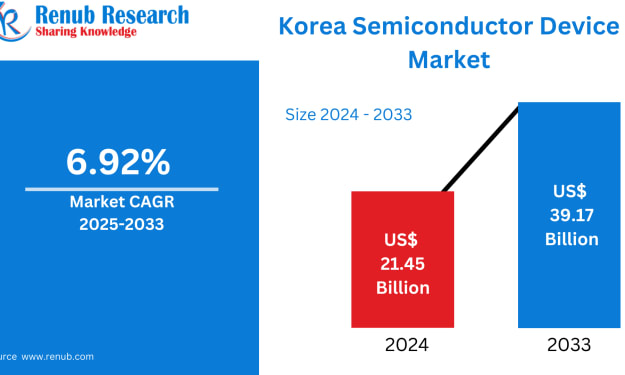
Korea Semiconductor Device Market Size and Forecast 2025–2033. AI-Generated.
Korea Semiconductor Device Market Outlook (2025–2033) The Korea Semiconductor Device Market is entering a decisive growth phase, driven by relentless global demand for memory chips, rising investments in artificial intelligence (AI), the expansion of 5G infrastructure, and proactive government policies aimed at strengthening technological sovereignty. According to Renub Research, the market is projected to grow from US$ 21.45 billion in 2024 to US$ 39.17 billion by 2033, registering a robust CAGR of 6.92% from 2025 to 2033.
By Marthan Sir20 days ago in Longevity
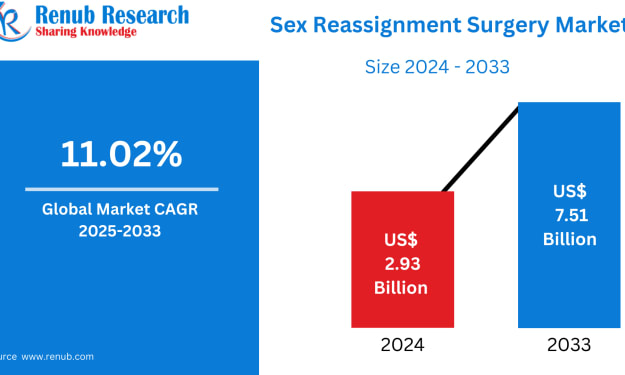
Global Sex Reassignment Surgery Market Size & Forecast 2025–2033. AI-Generated.
Market Overview The Worldwide Sex Reassignment Surgery (SRS) Market is undergoing a period of strong and sustained growth, underpinned by rising social acceptance, rapid medical advancements, and improving access to gender-affirming healthcare services. According to Renub Research estimates, the global SRS market is projected to expand from US$ 2.93 Billion in 2024 to US$ 7.51 Billion by 2033, registering a robust Compound Annual Growth Rate (CAGR) of 11.02% between 2025 and 2033.
By jaiklin Fanandish20 days ago in Longevity
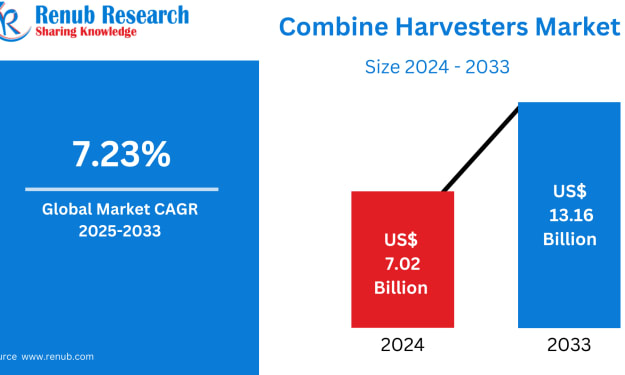
Global Combine Harvesters Market Size & Forecast (2025–2033). AI-Generated.
Introduction: Harvesting Efficiency in a Rapidly Changing World The global agriculture sector is undergoing a historic transformation. Faced with labor shortages, rising food demand, and pressure to improve productivity, farmers across the world are increasingly turning to mechanized solutions. At the heart of this shift lies one of the most essential agricultural machines ever developed—the combine harvester.
By Aaina Oberoi20 days ago in Longevity
Global STD Diagnostics Market Size & Forecast (2025–2033). AI-Generated.
Global STD Diagnostics Market Outlook The Global STD Diagnostics Market is entering a decisive growth phase, supported by rising disease prevalence, technological breakthroughs, and expanding screening initiatives worldwide. According to Renub Research, the market is anticipated to grow from US$ 16.82 billion in 2024 to US$ 30.84 billion by 2033, registering a robust CAGR of 6.97% during 2025–2033.
By Aaina Oberoi20 days ago in Longevity