
Desk Jobs, Weekend Sport, and Ageing Joints: Who Really Needs Knee Rehab Today?
Everyday routines, not just major injuries, are shaping why more people are paying attention to knee rehab and long-term joint health.
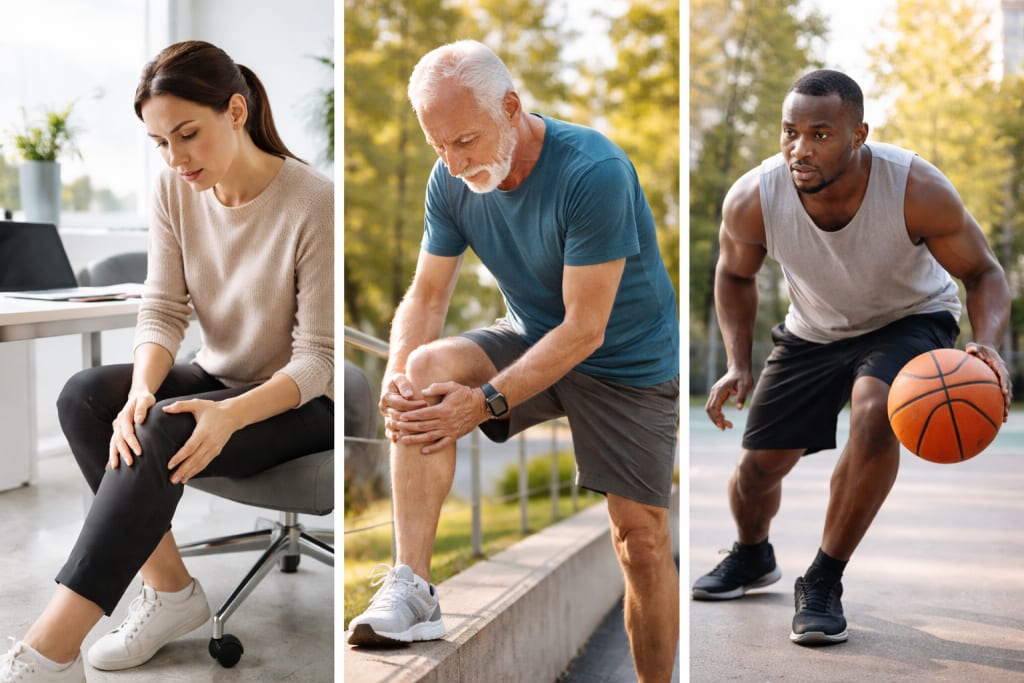
Not long ago, knee injuries were mostly associated with competitive sport or physically demanding work. Today, that picture has shifted. Many people who spend their days sitting at desks, exercising occasionally, or simply trying to stay active as they get older are becoming more aware of how much their knees affect everyday comfort and mobility.
This growing awareness has also brought more attention to knee rehab. Rehabilitation is no longer viewed only as something that happens after surgery or a major injury. Increasingly, it is part of maintaining movement, improving strength, and preventing small issues from becoming larger ones.
How Modern Routines Shape Joint Health
Daily life looks very different from what it did even twenty years ago. Many people now work in front of screens for long stretches of time. Commuting, remote work, and digital entertainment have reduced the amount of incidental movement that used to happen naturally throughout the day.
While sitting itself is not harmful, remaining in one position for hours at a time changes how muscles behave. The hips often become tight, while muscles that support the pelvis and thighs may become less active. Over time, these subtle changes may affect how the knee moves and bears weight.
Readers who are interested in how everyday habits influence physical wellbeing often explore broader discussions about lifestyle and movement. Articles in the Vocal Health category, for example, frequently examine how posture, activity levels, and daily routines shape long-term health: https://shopping-feedback.today/health
Looking at joint health through this wider lens makes it easier to understand why knee discomfort is becoming more common even among people who do not consider themselves particularly active.
The Quiet Effects of Sitting Too Much
One of the less obvious effects of long periods of sitting is reduced mobility. Joints rely on regular movement to stay lubricated and flexible. When movement is limited, stiffness may develop, especially in the hips and knees.
This stiffness does not always cause immediate pain. Often, it shows up gradually as a feeling of tightness when standing, climbing stairs, or beginning exercise. Many people dismiss these early signs, assuming they are simply part of ageing or fatigue.
Small changes in daily habits may make a meaningful difference. Standing briefly each hour, stretching the legs, or walking short distances during the day may help maintain mobility. These actions are simple, but consistency tends to matter more than intensity.
The Weekend Activity Cycle
Another pattern that affects knee health is the contrast between sedentary weekdays and active weekends. Recreational sport, running, hiking, and social fitness are all positive activities, yet the body sometimes struggles to adjust when activity levels change suddenly.
The issue is rarely the activity itself. More often, it is the lack of gradual preparation. Muscles that have been relatively inactive during the week may fatigue more quickly, placing additional stress on joints.
Warm-ups and recovery routines are often overlooked in casual sport, yet they play a meaningful role in helping the body adapt to movement. Gentle strengthening during the week, even in short sessions, may help maintain resilience and reduce the likelihood of discomfort.
For people exploring ways to build sustainable exercise habits, articles in sections such as Vocal Lifehack often discuss practical approaches to consistency and routine: https://shopping-feedback.today/lifehack%3C/a%3E
Ageing Does Not Mean Stopping Movement
Recognizing When Extra Support May Help
Structured knee rehab typically focuses on strengthening surrounding muscles, improving movement patterns, and gradually restoring confidence in the joint. For readers who are curious about how these programmes are organized, this overview of Integrated Physio knee rehab provides a useful explanation of how progressive exercises and guided rehabilitation are commonly approached in practice.
Seeing how rehabilitation is structured often helps demystify the process. It is less about dramatic treatments and more about steady, carefully planned progress.
Prevention Is Often Simpler Than People Expect
One of the most encouraging aspects of joint health is that many preventative steps are straightforward. Strengthening the muscles that support the knee, particularly the quadriceps, hamstrings, and glutes, may improve stability and reduce strain.
Movement patterns also matter. Paying attention to walking posture, footwear, and the way the body moves during everyday tasks may reduce unnecessary stress on joints.
Workspaces play a role as well. Adjusting chair height, ensuring feet are supported, and positioning screens at eye level may influence posture and alignment over time. These small adjustments are easy to overlook, yet they often contribute to comfort in subtle but meaningful ways.
Consistency remains the most important factor. Regular, moderate activity generally supports joint health more effectively than occasional intense exercise followed by long periods of inactivity.
Why Conversations About Knee Rehab Are Increasing
Greater awareness of rehabilitation reflects broader changes in how people think about health. There is a growing understanding that prevention and early intervention may help maintain mobility and reduce the likelihood of more serious issues later.
Access to information has also improved. Online articles, community discussions, and educational resources make it easier for people to learn about movement, recovery, and injury prevention.
This shift in awareness is changing how rehabilitation is perceived. Instead of being seen as a last resort, it is increasingly viewed as part of a proactive approach to staying active and comfortable.
Looking Ahead: Supporting Movement for the Long Term
Knees play a central role in everyday life. Walking, standing, carrying groceries, playing sport, and even simple household tasks all depend on stable, well-functioning joints.
The encouraging reality is that many of the factors influencing knee health are within everyday control. Staying active, building strength gradually, and paying attention to movement habits may support long-term mobility.
Knee rehab, when needed, fits naturally into this broader picture. It is not limited to athletes or serious injuries. Office workers, recreational athletes, and older adults alike may benefit from understanding how rehabilitation works and when it may help.
Paying attention to small changes in comfort, staying consistent with movement, and seeking guidance when necessary are all practical steps toward maintaining comfortable, confident movement over time.
About the Creator
Keep reading
More stories from Rochelle Martinez and writers in Longevity and other communities.
Free Kinder 2026: What Victorian Families Should Know About Eligibility, Enrolment, and Planning Ahead
For many families across Victoria, the introduction of Free Kinder 2026 has changed how parents plan the early years of their child’s education. The program has drawn attention not only because of reduced costs, but also because more families are now exploring kindergarten earlier and comparing learning environments more carefully. With places in many areas filling quickly, knowing how eligibility works, when to enroll, and how to prepare can make the process far less stressful.
By Rochelle Martinez3 days ago in Education
Daily consumption of coffee or tea may lower the risk of dementia, according to researchers.
Daily consumption of two to three cups of caffeinated coffee or one to two cups of tea may be associated with a lower risk of developing dementia later in life, as well as the potential to slow the progression of cognitive decline, according to new research. While the findings have excited both tea and coffee lovers, scientists stress that the results show correlation rather than definitive proof of cause and effect — and that a healthy lifestyle overall remains vital for brain health.
By Raviha Imrana day ago in Longevity
Mismatch Challenge Winners
Blending genres isn’t about stacking elements side by side. It’s about what happens when two sets of expectations refuse to cooperate. The strongest entries in the Mismatch Challenge understood that tension and leaned into it. Rather than smoothing the edges, these stories let their chosen genres complicate one another, creating friction that carried through voice, structure, and consequence.
By Vocal Curation Teamabout 7 hours ago in Resources




Comments
There are no comments for this story
Be the first to respond and start the conversation.