
How Social Media is Affecting Our Mental Health: Unpacking the Impact!
Exploring the Double-Edged Sword of Social Media: From Connection and Community to Anxiety and Isolation
Introduction:
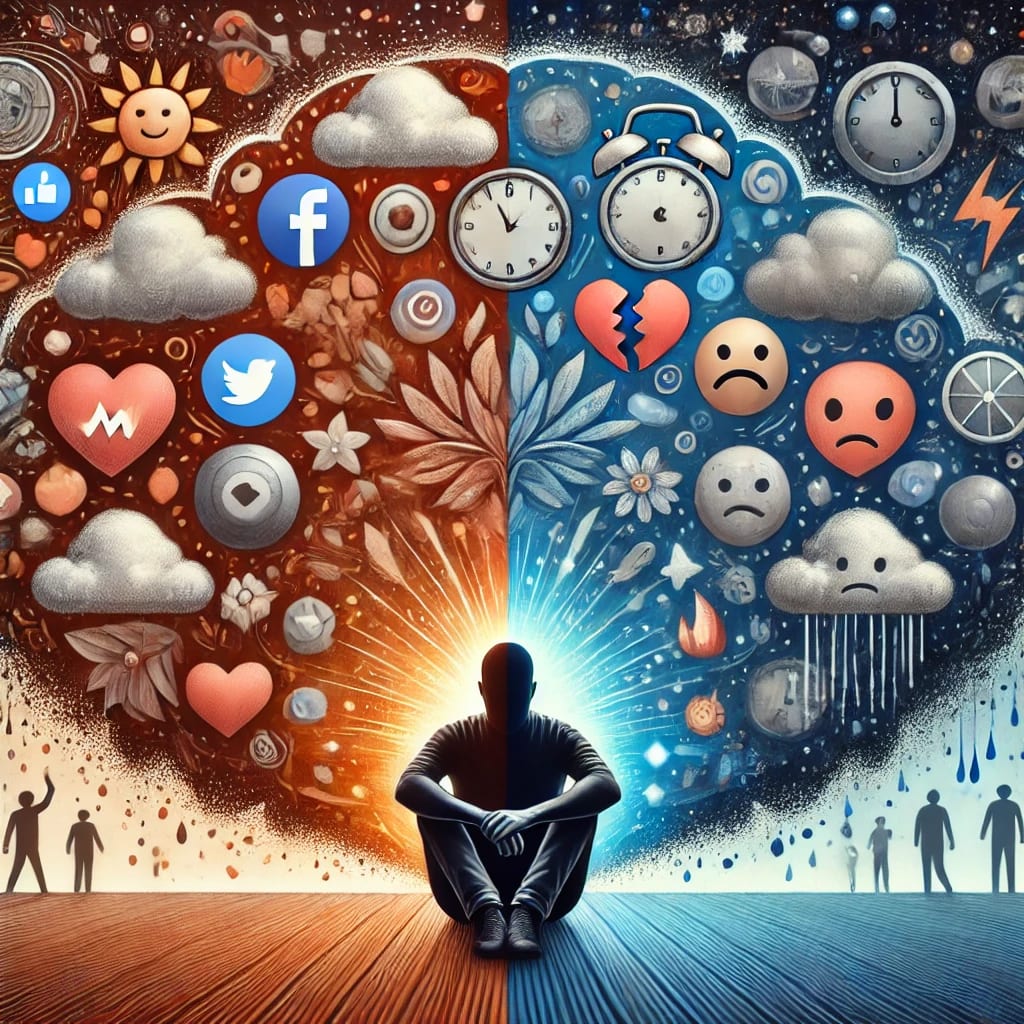
Social media has become an integral part of our daily lives, connecting us with friends, family, and the world at large. However, as its influence grows, so does concern over its impact on mental health. From anxiety and depression to issues with self-esteem and sleep, the effects of social media are complex and multifaceted.
The Rise of Social Media:
In the past decade, platforms like Facebook, Instagram, Twitter, and TikTok have transformed how we communicate and consume information. While these platforms offer numerous benefits, such as staying in touch with loved ones and accessing diverse content, they also present challenges that can affect mental well-being.
The Impact on Self-Esteem and Body Image:
One of the most discussed impacts of social media is its effect on self-esteem and body image. Platforms like Instagram and TikTok are flooded with images of seemingly perfect lives and bodies, often filtered and edited to enhance appearance. This constant exposure to idealized images can lead to:
- Comparison Culture: Users may compare themselves to others, leading to feelings of inadequacy or low self-worth.
- Body Dysmorphia: The pressure to meet societal standards of beauty can contribute to negative body image and even body dysmorphic disorder.
- Eating Disorders: Exposure to content promoting unrealistic body standards can exacerbate or trigger eating disorders, especially among young users.
Anxiety, Depression, and Loneliness:
Social media can also contribute to feelings of anxiety, depression, and loneliness:
- FOMO (Fear of Missing Out): Constantly seeing others’ highlight reels can create a sense of missing out, leading to anxiety and dissatisfaction with one’s own life.
- Cyberbullying: Online harassment and bullying can have severe emotional and psychological effects, particularly among teenagers and young adults.
- Loneliness Paradox: While social media is meant to connect people, excessive use can lead to feelings of isolation and loneliness, especially when it replaces face-to-face interactions.
Sleep Disruption and Mental Health:
Excessive use of social media, particularly before bed, can disrupt sleep patterns, which in turn affects mental health:
- Blue Light Exposure: The blue light emitted by screens can interfere with the production of melatonin, the hormone that regulates sleep.
- Sleep Disruption: Engaging with social media late at night can lead to difficulties falling asleep, reduced sleep quality, and increased stress levels.
The Role of Algorithms and Addiction:
Social media platforms use algorithms designed to keep users engaged, which can lead to addictive behavior:
- Dopamine Hits: Likes, comments, and shares can trigger dopamine release, reinforcing the behavior and leading to a cycle of seeking validation.
- Time Spent Online: The more time spent on social media, the higher the likelihood of experiencing its negative effects, such as anxiety and depression.
The Positive Side of Social Media:
While the negative effects are concerning, it’s important to acknowledge the positive aspects of social media:
- Support Communities: Social media can connect people with similar experiences or challenges, offering support and a sense of belonging.
- Mental Health Awareness: Platforms are increasingly being used to spread awareness about mental health issues and provide resources for those in need.
- Creative Expression: Social media offers a space for creative expression, allowing users to share their talents, ideas, and passions with a global audience.
Managing Social Media Use for Better Mental Health:
To mitigate the negative effects of social media on mental health, consider the following strategies:
- Set Boundaries: Limit the amount of time spent on social media each day and avoid using it before bed.
- Curate Your Feed: Unfollow accounts that make you feel bad about yourself and follow those that inspire and uplift you.
- Practice Mindfulness: Be mindful of how social media makes you feel and take breaks when needed.
- Engage in Real-Life Connections: Prioritize face-to-face interactions and real-life connections to combat loneliness and isolation.
Conclusion:
Social media’s impact on mental health is a complex issue with both positive and negative aspects. While it offers unprecedented opportunities for connection and self-expression, it also poses risks that need to be managed. By being mindful of our social media use and taking steps to protect our mental health, we can enjoy the benefits while minimizing the drawbacks.
About the Creator
Himanshu Raj
IT professional by day, writer by passion. I solve complex tech challenges while exploring creativity through writing, blending my expertise in systems management with a love for storytelling.
Keep reading
More stories from Himanshu Raj and writers in Longevity and other communities.
The Growing Toxicity in Indian IT: Is Management the Root Cause?
In recent years, the Indian IT sector has boomed, offering endless opportunities for growth, innovation, and financial success. However, behind the scenes, a growing sense of disillusionment has taken root. Many IT professionals find themselves battling not only with tight deadlines and complex technical challenges but also with a far more corrosive force: toxic management. The issue of toxic work environments in the IT industry is becoming increasingly prevalent, with managers often at the center of the problem. In this article, we’ll unpack how poor managerial practices are eroding workplace culture, affecting employee well-being, and stifling innovation.
By Himanshu Rajabout a year ago in Journal
Day 4 of Quitting
If this is how sobriety feels, maybe it’s better to go through life a little buzzed… this, along with other hits like, I want to kill myself, I wish I was dead, and I’m going to throw myself off a bridge have been the only thoughts on rotation these past few days. I promise myself that if, in a month, I still feel like this (‘this’ meaning despondent, full of rage, and simultaneously numb) I can go back to smoking. Until mid-February though? Nicotine is off the table.
By sleepy drafts11 days ago in Longevity
The Hidden Power of the Nerve Endings in Your Feet
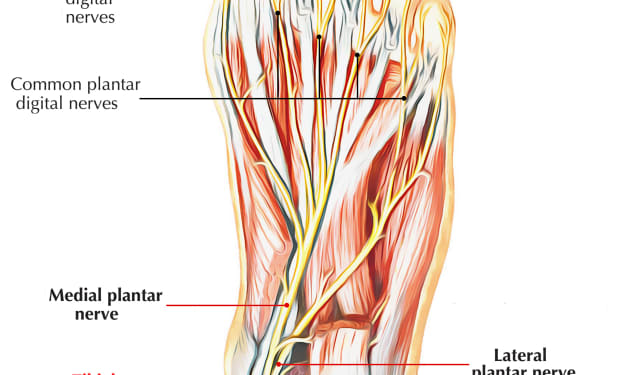
Most people don’t give much thought to their feet unless they’re uncomfortable or tired. Yet beneath the surface, the nerve endings in the feet are constantly working, sending vital information to the brain that influences balance, posture, and movement. These signals operate quietly in the background, but they play a far greater role in daily life than many people realize.
By AhmedFitLife4 days ago in Longevity



Comments
There are no comments for this story
Be the first to respond and start the conversation.