
How Sitting Too Long Affects Your Blood Circulation (and What to Do About It)
Discover the Hidden Dangers of Prolonged Sitting on Your Circulatory Health and Learn Proven Strategies to Improve Blood Flow and Prevent Complications

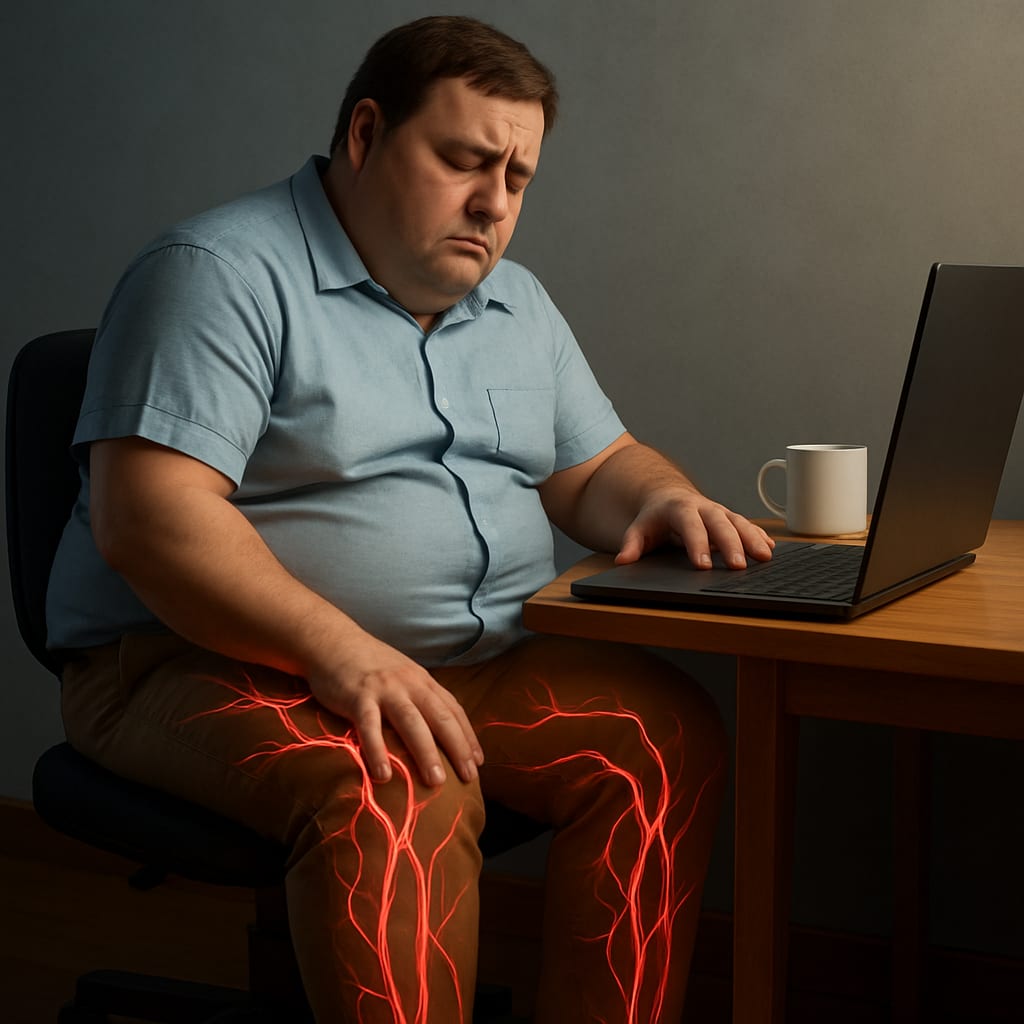
In today's digital age, prolonged sitting has become a normal part of life. Whether you're working at a desk, commuting, or simply unwinding in front of a screen, it’s easy to spend hours seated without moving. While sitting might feel harmless—comfortable even—science tells a different story.
One of the most serious consequences of extended sitting is poor blood circulation, which can lead to a host of health problems ranging from mild discomfort to life-threatening conditions.
This article takes an in-depth look at how sitting too long affects your circulatory system, why it’s a problem, and most importantly, what you can do to protect your health.
The Basics of Blood Circulation
Before diving into the effects of sitting, it helps to understand how blood circulation works. Your circulatory system is responsible for delivering oxygen and nutrients to every cell in your body and for removing waste products.
The heart pumps blood through a network of arteries, veins, and capillaries. Movement plays a critical role in this process, especially when it comes to returning blood from the extremities (like your legs and feet) back to the heart.
When you move, your muscles contract and help push blood through your veins—this is often referred to as the "muscle pump." But when you remain still, particularly in a seated position, this process slows significantly.
How Prolonged Sitting Impairs Circulation
1. Blood Pooling in the Legs
When you sit for long periods, especially with your knees bent and feet flat on the floor, gravity causes blood to pool in your lower extremities. This can lead to swelling in the feet and ankles, a sensation of heaviness, or even numbness.
Over time, chronic pooling can contribute to more serious conditions such as varicose veins or deep vein thrombosis (DVT), a dangerous type of blood clot that forms in deep veins.
2. Reduced Venous Return
Venous return is the process by which blood flows back to the heart. Without regular muscle movement, the body struggles to return blood efficiently. The valves in your veins, which are supposed to prevent backflow, can become overburdened when you sit too long. This makes it harder for blood to move upward from your legs, further compounding the issue of pooling.
3. Increased Blood Pressure and Arterial Stiffness
Studies have shown that long periods of inactivity can raise blood pressure and cause arteries to stiffen, particularly in the legs. Stiff arteries are less capable of adjusting to changes in blood flow and pressure, making the heart work harder to circulate blood. This elevates the risk of cardiovascular disease over time.
4. Inhibited Circulation to Key Organs
While the legs are most directly impacted, poor circulation from extended sitting also affects other parts of the body. Limited blood flow can impair organ function, reduce oxygen delivery to the brain, and slow metabolic processes. This is one reason why people often report feeling sluggish or mentally foggy after sitting too long.
Long-Term Health Risks of Poor Circulation
Over time, impaired circulation from prolonged sitting can lead to a number of serious health problems, including:
- Varicose Veins: Weakened vein valves can cause blood to back up and stretch vein walls, resulting in bulging, visible veins.
- Deep Vein Thrombosis (DVT): A potentially fatal condition where a blood clot forms in a deep vein, usually in the leg.
- Peripheral Artery Disease (PAD): Restricted blood flow to the limbs can lead to pain, cramping, and mobility issues.
- Heart Disease: Chronic poor circulation increases the risk of hypertension, stroke, and heart attack.
- Cognitive Decline: Reduced blood flow to the brain over time can impair cognitive performance and increase the risk of dementia.
Warning Signs Your Circulation Is Being Affected
It’s important to recognize the early signs of poor circulation caused by prolonged sitting:
- Tingling or numbness in the legs or feet
- Cold hands and feet
- Swelling in the lower legs or ankles
- Fatigue or heaviness in the limbs
- Discoloration (bluish or pale skin)
- Cramping or pain after minimal physical activity
If you experience these symptoms regularly, it’s time to re-evaluate your sitting habits.
What You Can Do to Improve Circulation
The good news is that you can counteract the effects of prolonged sitting with simple, consistent habits. Here are several practical strategies:
1. Take Regular Breaks
Set a timer to stand up and move every 30 to 60 minutes. Even short breaks—just a minute or two—can help stimulate blood flow. Walk around the room, do some light stretching, or take a trip to fill your water bottle.
2. Incorporate Movement into Your Day
Look for opportunities to add movement, such as walking meetings, standing phone calls, or taking the stairs instead of the elevator. These small actions can have a cumulative positive effect on your circulation.
3. Try Seated Exercises
If you’re stuck at a desk or on a long flight, try seated leg lifts, ankle rolls, or toe raises. These movements engage the muscles and help push blood through the veins.
4. Use a Standing Desk
Alternating between sitting and standing throughout the day can significantly improve circulation. Adjustable desks allow you to maintain productivity while encouraging movement.
5. Wear Compression Socks
Compression garments help promote blood flow in the legs by applying gentle pressure. These are especially useful for people who travel frequently or have a history of circulation issues.
6. Stay Hydrated
Proper hydration helps maintain healthy blood volume and prevents blood from thickening, which can reduce the risk of clotting and improve circulation.
7. Exercise Regularly
Cardiovascular exercise such as walking, cycling, or swimming strengthens the heart and vascular system. Aim for at least 30 minutes of moderate activity most days of the week.
Sitting is an unavoidable part of modern life, but understanding its impact on your circulatory health empowers you to take action. Poor blood circulation may start with subtle signs, but left unchecked, it can lead to serious consequences.
Fortunately, making even modest changes to your daily routine can help you maintain healthy blood flow and prevent long-term health issues.
If you spend much of your day seated, it’s not too late to start moving more. Your circulatory system—and the rest of your body—will thank you.
About the Creator
Richard Bailey
I am currently working on expanding my writing topics and exploring different areas and topics of writing. I have a personal history with a very severe form of treatment-resistant major depressive disorder.
Keep reading
More stories from Richard Bailey and writers in Longevity and other communities.
Best Daily Exercises to Boost Circulation – No Equipment Needed
Good circulation is essential for maintaining overall health. It ensures that oxygen and nutrients are efficiently delivered to all parts of the body while also helping to remove waste products. Poor circulation, on the other hand, can lead to fatigue, muscle cramps, swelling, and even more serious health issues such as varicose veins or cardiovascular disease.
By Richard Bailey9 months ago in Longevity
Healthy Eating on a Student Budget: A Realistic Weekly Guide
Being a student in Malaysia often comes with tight budgets, packed schedules, and unpredictable class timetables. But eating healthy food on a student budget in Malaysia doesn’t have to be impossible. With a little planning, local ingredients, and RM-based budgeting, you can enjoy cheap healthy meals in Malaysia while supporting your energy, focus, and overall health.
By Being Inquisitive4 days ago in Longevity
The BAFTA Awards
By now, in a stunning departure from recent years, most of the world is aware of what happened at the BAFTA film awards. Social Media Headlines will tell you the bare bones: that John Davidson, a Tourette's Syndrome advocate, shouted a racial slur at two Actors of Colour, Michael B Jordan and Delroy Lindo.
By Natasja Rose4 days ago in Psyche



Comments
There are no comments for this story
Be the first to respond and start the conversation.