
Best Daily Exercises to Boost Circulation – No Equipment Needed
Simple At-Home Movements to Enhance Blood Flow and Improve Cardiovascular Health Naturally

Good circulation is essential for maintaining overall health. It ensures that oxygen and nutrients are efficiently delivered to all parts of the body while also helping to remove waste products. Poor circulation, on the other hand, can lead to fatigue, muscle cramps, swelling, and even more serious health issues such as varicose veins or cardiovascular disease.
Fortunately, you don't need a gym membership or fancy equipment to improve blood flow. Simple, consistent movement is often the most effective tool. In this article, we’ll explore the best daily exercises you can do at home to boost circulation—no equipment required.
1. Brisk Walking in Place
One of the most underrated yet highly effective ways to stimulate circulation is walking. If you're working from home or can't go outdoors, walking in place can still activate the muscles in your legs and get your blood flowing. Aim for at least 10–15 minutes at a time, preferably a few times throughout the day.
The rhythmic motion of walking helps pump venous blood back to the heart, especially from the lower limbs, which are most susceptible to poor circulation. Try lifting your knees a little higher to engage more muscles and intensify the movement.
2. Leg Raises and Extensions
Targeting the legs directly helps stimulate blood flow in the areas where circulation is most often compromised. Start by lying on your back and slowly lifting one leg at a time, keeping it straight. Hold at the top for a few seconds before lowering it back down with control.
Alternatively, while seated or lying down, extend your legs forward and hold them in place for a few seconds before releasing. These movements activate your thigh muscles and calves, which assist in pushing blood upward toward your heart.
3. Ankle Pumps and Circles
The ankles play a crucial role in circulatory health, particularly for those who sit or stand for long periods. Ankle pumps involve simply pointing your toes away from you and then flexing them back toward your body repeatedly.
You can also make slow circular motions with your ankles in both clockwise and counterclockwise directions. These exercises engage the calf muscles and help stimulate the venous pump system, promoting better blood return to the upper body.
4. Dynamic Stretching and Mobility Drills
Unlike static stretching, dynamic stretches involve controlled, movement-based stretches that prepare the muscles and joints for activity while improving circulation. Arm swings, leg swings, and torso twists are excellent examples.
These gentle, full-body movements increase heart rate slightly and help warm the muscles, which in turn encourages better blood flow. Dynamic stretching is particularly beneficial in the morning or after long periods of sitting to “wake up” the circulatory system.
5. Marching and High Knees
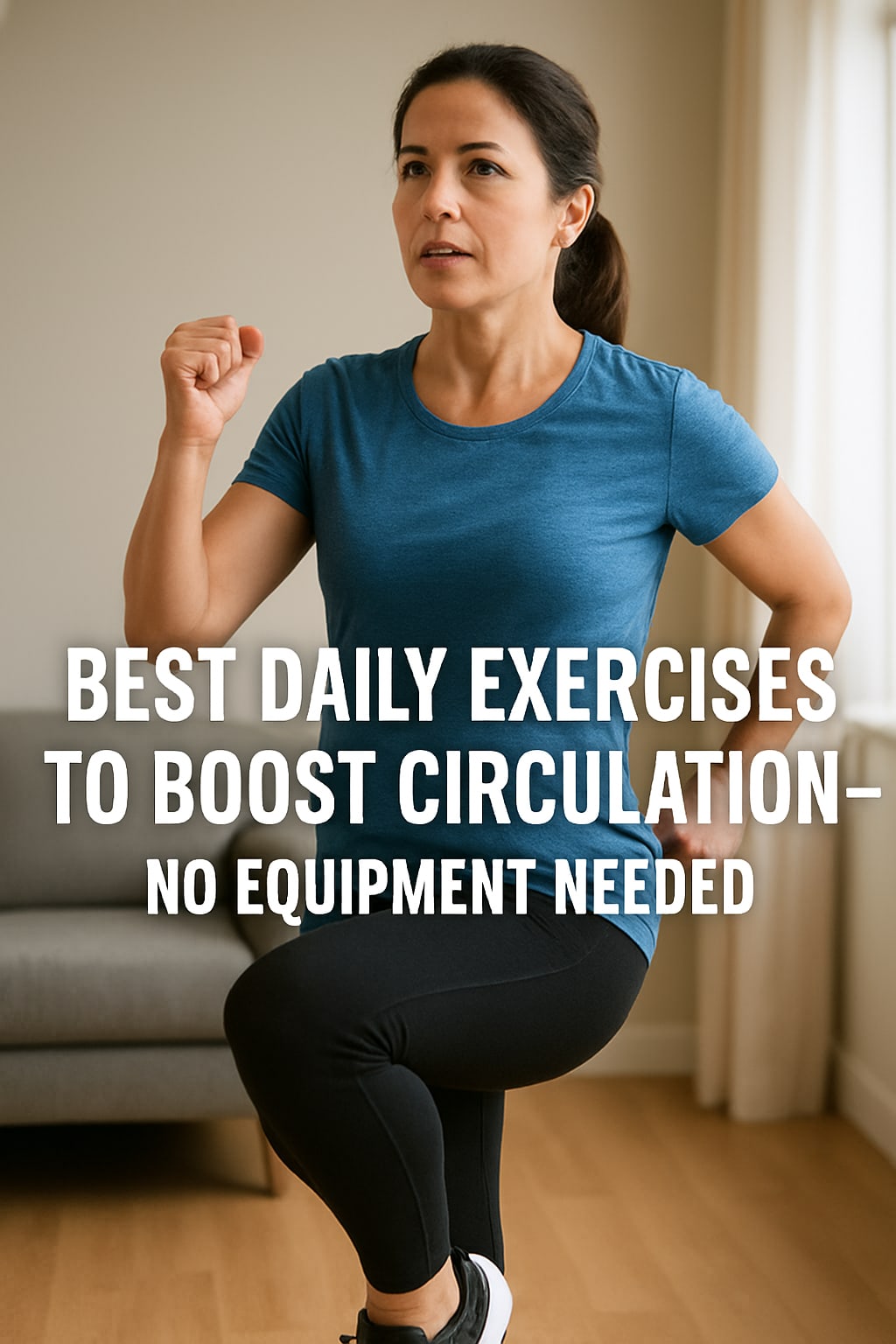
Standing marching exercises or high knees are excellent for elevating heart rate and improving lower-body circulation. Simply stand tall, lift one knee to hip height, then alternate legs in a marching rhythm. You can do this slowly or increase the pace for a more cardio-intensive routine.
This kind of repetitive leg movement helps prevent blood from pooling in the lower extremities, which can be particularly useful for those with sedentary jobs or lifestyles.
6. Toe Raises and Heel Walks
Standing toe raises—where you lift your heels off the ground and balance on your toes—activate the calf muscles, which are key to proper venous circulation. Try holding the top position for a few seconds before lowering your heels slowly.
Another variation is walking on your heels for a short distance, which targets the front of the lower legs. These exercises support healthy circulation by engaging muscles that push blood back toward the heart with each contraction.
7. Pelvic Tilts and Bridges
These gentle floor exercises are particularly useful for increasing blood flow to the pelvic region and lower back. To perform a pelvic tilt, lie on your back with knees bent and feet flat. Tighten your abdominal muscles and gently tilt your pelvis upward, flattening your lower back against the floor.
For a bridge, continue from the same position but lift your hips off the ground until your knees, hips, and shoulders form a straight line. Hold for a few seconds before lowering back down. These movements not only improve circulation but also strengthen your core and lower body.
8. Arm Circles and Shoulder Rolls
While much focus is often placed on the legs for circulation, the upper body also needs attention—especially for those who spend hours typing or using a mouse. Arm circles involve extending your arms out to the sides and making small to medium circles in the air, forward and backward.
Shoulder rolls are simple but effective: lift your shoulders toward your ears and then roll them backward and downward in a circular motion. These movements release tension and promote better blood flow to the neck, shoulders, and arms.
9. Deep Breathing with Movement
Breathing deeply and rhythmically while moving can significantly enhance circulation. Oxygen is critical for all cellular functions, and deep diaphragmatic breathing ensures that your blood is richly oxygenated.
Try combining deep breathing with slow, controlled movements such as yoga poses, side stretches, or a gentle forward fold. Not only does this stimulate blood flow, but it also calms the nervous system, reducing stress—a known factor in circulatory issues.
10. Inversion Poses
Certain yoga-inspired positions where the legs are elevated above the heart—such as lying on your back with legs resting against a wall—can help drain blood from the lower limbs and improve venous return.
Even a few minutes in this position daily can aid in reducing swelling in the feet and ankles and provide a soothing effect after a long day of sitting or standing.
Improving circulation doesn’t require special equipment or long hours of training. What matters most is consistency and variety. Incorporating a few of these exercises into your daily routine—especially if you spend long periods sitting—can help stimulate blood flow, reduce fatigue, and support your overall cardiovascular health.
Always listen to your body. If you experience persistent symptoms such as swelling, numbness, or tingling, consult a healthcare professional. But for general maintenance and prevention, these no-equipment exercises can be a powerful tool in keeping your circulatory system strong and resilient.
About the Creator
Richard Bailey
I am currently working on expanding my writing topics and exploring different areas and topics of writing. I have a personal history with a very severe form of treatment-resistant major depressive disorder.
Keep reading
More stories from Richard Bailey and writers in Longevity and other communities.
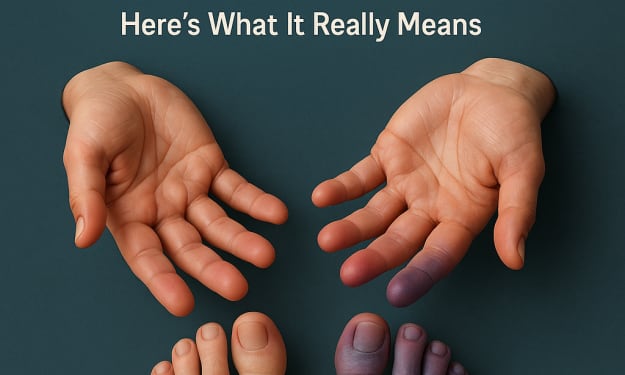
Poor Circulation in Hands and Feet: Here’s What It Really Means
Poor circulation in the hands and feet is more than just a temporary discomfort—it can be a sign of an underlying health condition that needs medical attention. If you've experienced cold extremities, numbness, tingling, or changes in skin color, it's important to understand what your body might be signaling.
By Richard Bailey9 months ago in Longevity
Three in Four Women Unaware Menopause Can Trigger New Mental Illness, Poll Finds
A new poll has revealed a striking gap in public understanding of menopause and mental health, with nearly three in four women unaware that the hormonal transition can trigger the onset of new mental illnesses. The findings highlight a growing concern among health experts that psychological symptoms linked to menopause are being underestimated, misdiagnosed, or ignored altogether. Menopause is commonly associated with physical symptoms such as hot flashes, night sweats, and sleep disruption. However, medical professionals stress that the hormonal changes occurring during perimenopause and menopause can also have a profound impact on the brain. Fluctuating estrogen levels influence neurotransmitters like serotonin and dopamine, which regulate mood and emotional stability. For some women, this can result in anxiety, depression, panic disorders, or even more severe psychiatric conditions emerging for the first time in midlife. According to the poll, a majority of respondents believed menopause only worsens existing mental health issues rather than creating new ones. This misconception is worrying, experts say, because it delays diagnosis and treatment. Women experiencing sudden mood swings, intrusive thoughts, or prolonged low mood may not associate these symptoms with menopause and instead blame stress, work pressure, or family responsibilities. Mental health specialists report an increase in middle-aged women seeking help for symptoms that began during perimenopause. Many describe feeling unlike themselves for the first time in their lives, experiencing unexplained anxiety, emotional numbness, or depressive episodes. In some cases, women who had never previously struggled with mental illness suddenly find themselves needing therapy or medication. The stigma surrounding both menopause and mental illness adds another layer of difficulty. Many women hesitate to discuss emotional changes openly, fearing they will be dismissed as “overreacting” or told it is simply part of aging. As a result, they may suffer in silence for months or even years before seeking professional support. Healthcare providers also face challenges. General practitioners are often trained to focus on physical menopausal symptoms, while mental health symptoms may be treated separately without considering hormonal causes. This fragmented approach can lead to misdiagnosis. A woman might be prescribed antidepressants without being offered hormone therapy, or vice versa, even though a combined treatment plan could be more effective. Campaigners argue that menopause education needs urgent reform. Schools, workplaces, and healthcare systems should treat menopause as both a physical and psychological transition. Employers are also being encouraged to recognize menopause-related mental health struggles, especially as more women remain in the workforce into their 50s and 60s. Reduced concentration, fatigue, and emotional distress can significantly affect job performance if left unsupported. The poll also revealed generational differences in awareness. Younger women were slightly more informed about menopause and mental health than older respondents, suggesting that social media and online health campaigns are beginning to shift perceptions. However, experts warn that online information can be inconsistent and sometimes misleading, reinforcing the need for reliable public health guidance. Treatment options are available, and outcomes can be positive when menopause-related mental illness is identified early. Hormone replacement therapy (HRT), talking therapies, lifestyle changes, and in some cases medication can work together to stabilize mood and improve quality of life. Regular exercise, better sleep habits, and stress management are also known to ease symptoms. Ultimately, specialists say the findings should serve as a wake-up call. Menopause is not just a physical milestone but a complex biological transition that can reshape mental wellbeing. Recognizing this reality could prevent unnecessary suffering and help women access the care they need sooner. As awareness grows, advocates hope conversations around menopause will become more open and medically informed. Understanding that new mental health conditions can emerge during this stage of life is a crucial step toward removing stigma and ensuring that women are supported through every aspect of this significant change.
By Fiaz Ahmed 5 days ago in Longevity



Comments (1)
I like how you focus on simple, accessible ways to improve circulation. I've found that even short bursts of walking in place throughout the day make a difference. Do you think doing these exercises regularly can really prevent more serious circulation problems long-term? Also, I wonder if there are any specific sequences that work best, like doing ankle pumps before leg raises?