
Global Health Experts Urge Action Against Growing Bird Flu Threat
Preventing a Bird Flu Pandemic: What the World Must Do Now

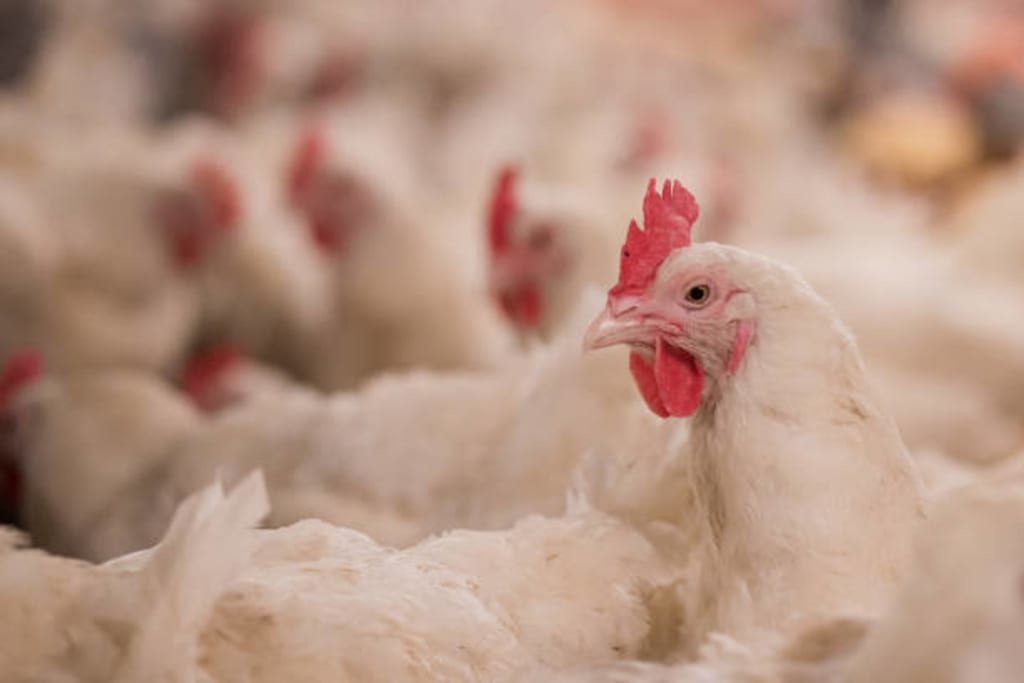
As the world continues to recover from the COVID-19 pandemic, top virus experts are raising urgent concerns about another potential health crisis: the H5N1 avian flu. Scientists from the Global Virus Network (GVN) and over 40 countries warn that without immediate action, this bird flu strain could adapt to spread easily among humans. Here’s what you need to know about the risks and the steps experts say could prevent disaster.
Why Experts Are Sounding the Alarm
The H5N1 bird flu virus has infected animals and humans in alarming numbers. Since 2022, more than 168 million poultry birds in the U.S. alone have been lost to the virus or culled to stop its spread. But the threat isn’t limited to birds. Dairy cows in all 50 U.S. states and Canada are now affected, with over 995 herds infected. At least 70 people have tested positive, including one fatal case in the U.S.
What worries scientists most are recent human infections with no clear link to sick animals. This suggests the virus might be evolving in ways that could allow it to spread directly between people. While human-to-human transmission hasn’t been confirmed yet, experts warn that genetic changes—or the mixing of H5N1 with seasonal flu viruses—could create a highly contagious strain.
How the Virus Spreads and What Symptoms to Watch For
H5N1 primarily spreads through contact with infected birds or animals. However, it can also linger in raw milk, contaminated surfaces, or even the air near outbreaks. In humans, symptoms often resemble severe flu:
- Persistent cough
- Body aches and fatigue
- Fever and pneumonia
- Difficulty breathing
Most cases so far have been mild, but severe illnesses and deaths are possible, especially in vulnerable groups like farmworkers or those with weakened immune systems.
Steps to Prevent a Pandemic
In a recent report published in The Lancet Regional Health–Americas, GVN scientists outlined critical actions to reduce risks:
1. Boost Monitoring Systems
- Test milk, wastewater, and animals regularly to detect outbreaks early.
- Track workers on farms with infected animals for symptoms.
2. Share Data Faster - Speed up global sharing of virus genetic codes to track mutations.
3. Protect Farmworkers and Animals - Provide protective gear (masks, gloves) to those handling sick animals.
- Improve cleaning practices on farms to kill the virus.
4. Prepare Health Systems - Stockpile tests and vaccines for rapid response.
- Train healthcare workers to recognize and treat H5N1.
5. Invest in Research - Study how the virus might change to spread between humans.
- Develop vaccines that match emerging strains.
Why Trust and Community Matter
Elyse Stachler, a GVN scientist at MIT and Harvard, emphasizes that cooperation from farmers and workers is key. “People need to trust that reporting outbreaks won’t hurt their livelihoods,” she says. Dr. Christian Bréchot of the University of South Florida adds that vaccines alone aren’t enough—communities must be involved in planning.
Lessons from COVID-19
The COVID-19 pandemic taught the world hard lessons about preparedness. GVN experts stress that waiting for H5N1 to become a crisis would be a mistake. Dr. Sten Vermund, a public health dean at the University of South Florida, explains: “We can’t predict exactly when or how this virus might change, but we know the tools that work: early detection, transparency, and global teamwork.”
What Comes Next?
While there’s no need for panic, experts urge leaders to act now:
- Governments should fund surveillance and research.
- Farmers must adopt strict safety measures.
- Healthcare providers need training and resources.
For the public, simple precautions apply: avoid raw milk, wash hands after touching animals, and stay informed about local outbreaks.
A Call for Global Unity
The H5N1 virus doesn’t respect borders. Migratory birds, international trade, and climate change all help it spread. “This isn’t just a farming issue or a health issue—it’s everyone’s problem,” says Dr. Bréchot. By acting quickly and working together, the world can avoid repeating the chaos of COVID-19.
As the GVN report concludes: “The time to prepare is now. Vigilance today could save millions of lives tomorrow.”
Stay updated through trusted health sources like the CDC or WHO, and report sick animals to local authorities immediately.
About the Creator
Akrang Raja
Welcome! Explore health 🩺 & business finance 💼 articles. Expert advice, actionable insights. Simplify money management, boost productivity, achieve wellness. Trusted content for your goals. Follow for regular updates!
Keep reading
More stories from Akrang Raja and writers in Longevity and other communities.
The Ultimate Guide to Healthy Eating: Simple Steps for a Nutritious Lifestyle
Good nutrition is the foundation of a vibrant, energetic life. It fuels your body, supports your immune system, and lowers the risk of chronic diseases like diabetes, heart disease, and cancer. But with so much information available, how can you build a balanced diet that fits your lifestyle and budget? Let’s break down the essentials of nutrition, explore practical meal ideas, and uncover tips for staying healthy at every age.
By Akrang Raja 11 months ago in Longevity
The Connection Between ADHD and Genetics.
Commentary An Impulsive Gene? My youngest son jumps from one task to another. Ask him to clean his room, he eventually quits because he becomes fixated on something. He can’t sit still for long. On the other hand, when he’s doing something he likes, he is fixated on it, sometimes barely taking in his surroundings or listening to others.
By Dean Traylor7 days ago in Longevity
The Forsyth House Fire
Since 1851, Forsyth House has stood on the corner of Union Street and Gordon Street in the heart of Glasgow. Its iconic, or was... because on Sunday 8th of March, 2026, a fire broke out in a small, seemingly un-named shop in the building and tore all that history down. As I write, the rubble is still unsettled and the street is still blocked off. Central Station is quiet on the upper level, and around 30 small businesses have quite literally gone up in smoke.
By S. A. Crawford2 days ago in The Swamp


Comments
There are no comments for this story
Be the first to respond and start the conversation.