
The Ultimate Guide to Healthy Eating: Simple Steps for a Nutritious Lifestyle
Nutrition

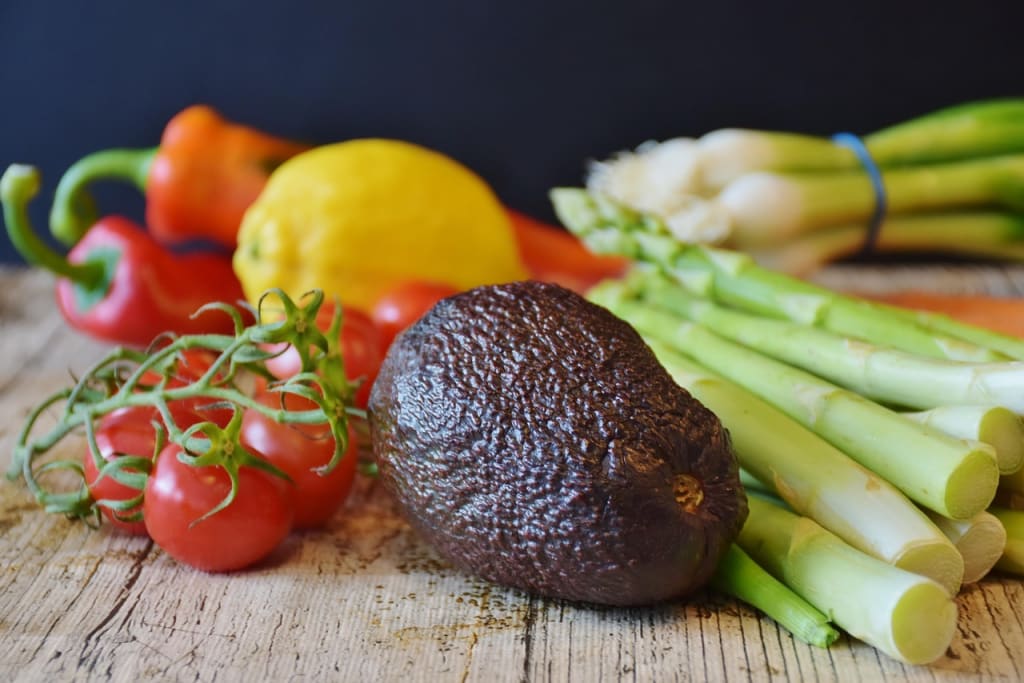
Good nutrition is the foundation of a vibrant, energetic life. It fuels your body, supports your immune system, and lowers the risk of chronic diseases like diabetes, heart disease, and cancer. But with so much information available, how can you build a balanced diet that fits your lifestyle and budget? Let’s break down the essentials of nutrition, explore practical meal ideas, and uncover tips for staying healthy at every age.
Why Nutrition Matters
Nutrition is about more than just eating—it’s about nourishing your body with the right mix of nutrients. A balanced diet provides the vitamins, minerals, and energy needed to keep your brain sharp, muscles strong, and organs functioning smoothly. Poor nutrition, on the other hand, can lead to fatigue, weakened immunity, and long-term health problems.
There are two main types of nutrients:
- Macronutrients: Carbohydrates, proteins, and fats. These provide energy and support muscle growth.
- Micronutrients: Vitamins (like A, C, D) and minerals (such as calcium and iron). These keep your bones, skin, and blood healthy.
Eating a variety of whole foods ensures you get both macronutrients and micronutrients naturally.
Building a Balanced Plate: What to Eat
Science shows that plant-based diets, such as the Mediterranean or MIND diet, are among the healthiest. These eating patterns focus on vegetables, fruits, whole grains, and lean proteins, reducing the risk of chronic diseases. Here’s how to build a nutritious meal:
1. Fill Half Your Plate with Fruits and Vegetables
- Choose colorful options like berries, leafy greens, and cruciferous veggies (broccoli, cauliflower). They’re packed with antioxidants and fiber.
2. Add Whole Grains to a Quarter of Your Plate - Opt for brown rice, quinoa, or whole-grain bread to boost fiber and B vitamins.
3. Include Lean Protein in the Remaining Quarter - Fatty fish (salmon, sardines), legumes (beans, lentils), nuts, and tofu are excellent choices.
Top Superfoods to Include Regularly: - Berries: Rich in antioxidants for fighting inflammation. Fatty Fish: High in omega-3s for heart health.
- Leafy Greens: Loaded with vitamins A and C.
Nuts and Olive Oil: Provide healthy fats to protect your heart. - Yogurt: Contains probiotics for gut health.
Do You Need Daily Vitamins?
Most people can get all necessary nutrients from food alone. However, supplements might be helpful in specific cases:
- Vitamin B12 for vegans (found in animal products).
- Vitamin D and Calcium for those with osteoporosis or lactose intolerance.
- Iron or Folate for individuals with absorption issues (e.g., Crohn’s disease).
Important Note: Always consult a doctor before starting supplements. While they can fill nutritional gaps, they’re not a substitute for a healthy diet.
Nutrition for Older Adults: Staying Healthy After 50
As we age, our nutritional needs change. Focus on these four principles to maintain energy and prevent age-related illnesses:
1. Prioritize Plant-Based Foods
- Vegetables, fruits, and legumes provide fiber and disease-fighting phytochemicals.
2. Get Enough Protein - Aim for fish, beans, or nuts to preserve muscle mass.
3. Avoid Ultra-Processed Foods - Skip packaged snacks high in sugar, salt, and unhealthy fats.
4. Limit Saturated Fats and Added Sugars - Keep saturated fats under 10% of daily calories and sodium below 2,300 mg.
Meal Prep Made Easy
Planning meals saves time, money, and stress. Follow these steps to simplify healthy eating:
1. Plan Your Menu Weekly
- Dedicate 30 minutes to pick recipes (try themes like “Meatless Monday”).
- Create a grocery list to avoid impulse buys.
2. Shop Smart - Stock up on frozen veggies, canned beans (low sodium), and whole grains.
3. Prep in Batches - Cook proteins (chicken, tofu) and grains (quinoa, rice) in advance.
- Chop veggies for salads or stir-fries and store them in containers.
4. Store Properly - Label prepped meals with dates and freeze extras for busy days.
Kitchen Staples to Always Have: - Fridge: Eggs, leafy greens, yogurt, hummus.
- Freezer: Frozen berries, fish fillets, mixed veggies.
- Pantry: Oats, canned tomatoes, nuts, olive oil.
Final Tips for Success
- Start Small: Swap one processed snack for fruit or nuts daily.
- Stay Hydrated: Drink water instead of sugary drinks.
- Listen to Your Body: Eat when hungry, stop when full.
Healthy eating doesn’t have to be complicated. By focusing on whole foods, planning meals, and adjusting for your unique needs, you can build habits that last a lifetime. Remember, every small change adds up to big benefits for your health!
By following these guidelines, you’ll create a sustainable, budget-friendly diet that keeps you and your family thriving. Whether you’re in your 20s or your 70s, good nutrition is the key to feeling your best every day.
About the Creator
Akrang Raja
Welcome! Explore health 🩺 & business finance 💼 articles. Expert advice, actionable insights. Simplify money management, boost productivity, achieve wellness. Trusted content for your goals. Follow for regular updates!
Keep reading
More stories from Akrang Raja and writers in Longevity and other communities.
Ultra-Processed Foods Linked to Higher Risk of Early Death, Global Study Reveals
A groundbreaking international study has uncovered a direct link between diets high in ultra-processed foods (UPFs) and a greater risk of premature death. The research, published in the American Journal of Preventive Medicine, highlights how UPFs contribute to thousands of early deaths annually, with England and the U.S. among the hardest-hit nations.
By Akrang Raja 9 months ago in Longevity
Day 4 of Quitting
If this is how sobriety feels, maybe it’s better to go through life a little buzzed… this, along with other hits like, I want to kill myself, I wish I was dead, and I’m going to throw myself off a bridge have been the only thoughts on rotation these past few days. I promise myself that if, in a month, I still feel like this (‘this’ meaning despondent, full of rage, and simultaneously numb) I can go back to smoking. Until mid-February though? Nicotine is off the table.
By sleepy drafts10 days ago in Longevity
Clinical Trials Market Companies Analysis: Industry Leaders Driving Global Innovation
Clinical Trials Market Overview The Clinical Trials Market is undergoing rapid transformation as the global healthcare ecosystem shifts toward innovation, precision medicine, and accelerated drug development. According to Renub Research, the clinical trials industry is expected to expand lucratively to an estimated value of US$ 99.25 billion by 2033, up from US$ 58.39 billion in 2024, reflecting a compound annual growth rate (CAGR) of 6.07% between 2025 and 2033.
By Aaina Oberoi5 days ago in Longevity




Comments
There are no comments for this story
Be the first to respond and start the conversation.