
Feeling Tired All the Time? Uncover the Surprising Symptoms of Iron-Deficiency Anemia
Discover the Hidden Signs of Iron-Deficiency Anemia
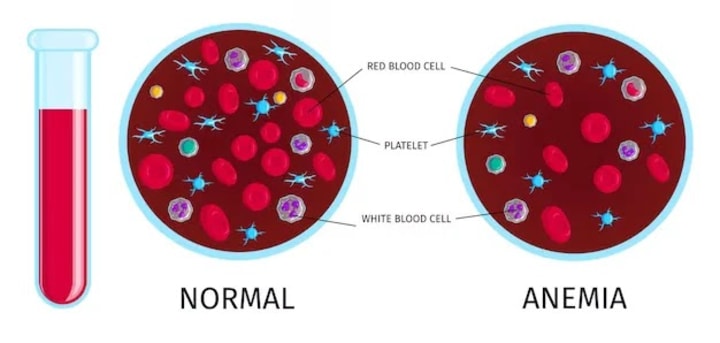
Iron deficiency anemia is a common condition that affects millions of people worldwide. It occurs when your body does not have enough iron to make hemoglobin, the protein that carries oxygen in your red blood cells. Without enough hemoglobin, your tissues and organs do not get enough oxygen, which can cause various problems.
Causes and Risk Factors of Iron-Deficiency Anemia
There are many possible causes of iron deficiency anemia, but the most common ones are:
- Blood loss. This can be due to heavy menstrual periods, ulcers, injuries, surgery, or bleeding disorders.
- Poor diet. Eating foods that are low in iron or not absorbing enough iron from your food can lead to iron deficiency. Some foods that are rich in iron include meat, poultry, fish, eggs, beans, nuts, and leafy green vegetables.
- Pregnancy. Pregnant women need more iron to support the growth of their baby and placenta. If they do not get enough iron from their diet or supplements, they may develop anemia.
- Chronic diseases. Some conditions that affect the production or lifespan of red blood cells can cause iron deficiency. These include kidney disease, cancer, rheumatoid arthritis, and inflammatory bowel disease.
Some people are more likely to develop iron-deficiency anemia than others. These include:
- Women of childbearing age, especially those who have heavy periods or are pregnant or breastfeeding.
- Infants and children, especially those who are born prematurely, have a low birth weight or do not eat enough iron-rich foods.
- Vegetarians and vegans, who may not get enough iron from plant sources.
- Older adults may have reduced appetite, digestive problems, or chronic diseases that affect iron absorption or utilization.
Signs and Symptoms of Iron-Deficiency Anemia
The signs and symptoms of iron-deficiency anemia may vary depending on the severity and duration of the condition. Some of the common ones are:

- Fatigue. This is the most common symptom of iron-deficiency anemia. It is due to the lack of oxygen in your tissues, which makes you feel tired and weak.
- Pale skin. The hemoglobin in your red blood cells gives your skin a healthy color. When you have low hemoglobin, your skin may look pale or yellowish. You may also notice that the inside of your lower eyelids, gums, and nails are paler than usual.
- Shortness of breath. When you have iron-deficiency anemia, your heart has to work harder to pump more blood to deliver oxygen to your body. This can make you feel breathless, especially when you exercise or exert yourself.
- Headache, dizziness, or lightheadedness. These symptoms can occur because of the reduced blood flow and oxygen to your brain. You may also experience difficulty concentrating, memory problems, or confusion.
- Chest pain, fast heartbeat, or palpitations. These symptoms can indicate that your heart is stressed by the increased workload and lack of oxygen. You may also have an irregular heartbeat or a heart murmur.
- Cold hands and feet. When you have iron-deficiency anemia, your body may divert blood away from your extremities to preserve oxygen for your vital organs. This can make your hands and feet feel cold, numb, or tingling.
- Inflammation or soreness of your tongue. Your tongue may become swollen, inflamed, or sore due to the low hemoglobin and iron levels. You may also have cracks or ulcers in the corners of your mouth.
- Brittle nails. Your nails may become thin, brittle, or spoon-shaped due to the lack of iron and oxygen. They may also break easily or have ridges or grooves.
- Unusual cravings for non-nutritive substances. This is a condition called pica, which makes you crave and eat things that are not food, such as ice, dirt, clay, or starch. This may be a sign of iron deficiency or other nutritional deficiencies.
- Poor appetite, especially in infants and children. Iron deficiency can affect your appetite and taste buds, making you less interested in eating or enjoying your food. This can lead to weight loss, growth problems, or developmental delays in children.
Diagnosis and Treatment of Iron-Deficiency Anemia
If you have any signs and symptoms of iron-deficiency anemia, you should see your doctor for a diagnosis and treatment. Your doctor will ask you about your medical history, lifestyle, diet, and medications. They will also perform a physical examination and order some blood tests to check your hemoglobin, iron, and ferritin levels. Ferritin is a protein that stores iron in your body.
The treatment of iron-deficiency anemia depends on the cause and severity of the condition. The main goal is to increase your iron levels and restore your hemoglobin and oxygen levels. The common treatment options are:
- Iron supplements. These are pills or liquids that contain iron that you take by mouth. They can help increase your iron levels and improve your symptoms. However, they may also cause some side effects, such as nausea, constipation, diarrhea, or stomach pain. You should take them as prescribed by your doctor and follow their instructions on how to take them. You may also need to take them with food or vitamin C to enhance absorption and reduce side effects.
- Iron-rich foods. Eating foods that are high in iron can help boost your iron levels and prevent iron deficiency. Some of the best sources of iron are meat, poultry, fish, eggs, beans, nuts, and leafy green vegetables. You should also avoid foods that can interfere with iron absorption, such as tea, coffee, dairy products, or calcium supplements. You may also need to limit foods that are high in phytates, such as whole grains, legumes, or nuts, or eat them with foods that are high in vitamin C, such as citrus fruits, tomatoes, or peppers.

- Iron injections or infusions. These are methods of delivering iron directly into your bloodstream through a needle or a tube. They are usually reserved for people who have severe iron deficiency, who cannot tolerate or absorb oral iron supplements, or who have ongoing blood loss. They can provide a rapid increase in iron levels and hemoglobin, but they may also cause some side effects, such as pain, swelling, infection, or allergic reactions at the injection site, or headache, fever, nausea, or low blood pressure during the infusion.
Blood transfusions. These are procedures that involve receiving blood from a donor through a needle or a tube. They are usually reserved for people who have life-threatening iron deficiency, who have very low hemoglobin levels, or who have symptoms of heart failure or organ damage. They can provide an immediate increase in hemoglobin and oxygen levels, but they may also carry some risks, such as infection, allergic reactions, or immune system problems.
Prevention and Complications of Iron-Deficiency Anemia
Iron deficiency anemia can be prevented by eating a balanced diet that includes enough iron-rich foods, taking iron supplements if recommended by your doctor, and treating any underlying causes of blood loss or iron malabsorption. You should also have regular check-ups and blood tests to monitor your iron levels and hemoglobin.
If left untreated, iron-deficiency anemia can lead to serious complications, such as:
- Growth and development problems in children. Iron deficiency can affect the physical and mental growth of children, leading to delays in milestones, learning difficulties, behavioral problems, or poor academic performance.
- Pregnancy complications. Iron deficiency can increase the risk of preterm delivery, low birth weight, infant mortality, or postpartum depression in pregnant women. It can also affect the health and development of the fetus, causing anemia, low oxygen levels, or birth defects.
- Heart problems. Iron deficiency can make your heart work harder to pump more blood and oxygen to your body, leading to an enlarged heart, heart failure, or arrhythmias.
- Infections. Iron deficiency can weaken your immune system, making you more susceptible to infections, such as colds, flu, or pneumonia.
- Depression. Iron deficiency can affect your mood and mental health, causing depression, anxiety, irritability, or low self-esteem.
Iron deficiency anemia is a common and treatable condition that can affect anyone. By recognizing the signs and symptoms, seeking medical attention, and following the treatment and prevention strategies, you can improve your iron levels, hemoglobin, and overall health.
About the Creator
Keep reading
More stories from Sanjay Upadhyay and writers in Longevity and other communities.
Decoding Borderline Personality Disorder: Symptoms, Causes, and Pathways to Healing
Borderline personality disorder (BPD) is a mental health condition that affects how a person thinks, feels, and behaves. People with BPD often experience intense emotions, unstable relationships, impulsivity, and a distorted sense of self. BPD can interfere with a person’s ability to function in everyday life and lead to serious complications, such as self-harm, suicide, and substance abuse.
By Sanjay Upadhyayabout a year ago in Longevity
Day 4 of Quitting
If this is how sobriety feels, maybe it’s better to go through life a little buzzed… this, along with other hits like, I want to kill myself, I wish I was dead, and I’m going to throw myself off a bridge have been the only thoughts on rotation these past few days. I promise myself that if, in a month, I still feel like this (‘this’ meaning despondent, full of rage, and simultaneously numb) I can go back to smoking. Until mid-February though? Nicotine is off the table.
By sleepy drafts12 days ago in Longevity



Comments
There are no comments for this story
Be the first to respond and start the conversation.