
Eat These 5 Foods to Naturally Boost Kidney Function and Detox Safely
Discover the Nutrient-Rich Foods That Help Your Kidneys Filter, Balance, and Detox More Effectively


Your kidneys are the unsung heroes of your body. Tucked away in your lower back, these two bean-shaped organs work around the clock, filtering nearly 200 quarts of blood daily to remove waste, balance fluids, and regulate electrolytes. It's a monumental task, and just like any hardworking system, they function best with a little care and the right fuel.
While the idea of a dramatic "cleanse" is often overstated (your kidneys are already excellent detoxifiers!), you can absolutely support their natural function through your diet. The goal isn't a radical overhaul but a consistent, nourishing approach. By incorporating certain powerhouse foods, you can provide your kidneys with the nutrients they need to perform at their peak.
Let's explore five delicious and readily available foods that are scientifically backed to promote kidney health and vitality.
1. Water: The Ultimate Elixir
It might seem obvious, but we simply can't talk about kidney health without starting with water. It’s not a food, but it’s the most crucial component of kidney function.
- Why it helps: Think of water as the delivery system that flushes your kidneys. Adequate hydration ensures a steady flow of blood to the kidneys, allowing them to efficiently filter out toxins and waste products like urea and sodium. Without enough water, waste can become concentrated, increasing the risk of kidney stones and infections.
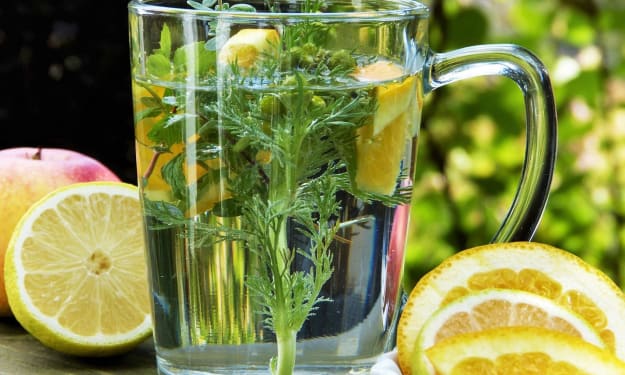
- How to include it: There's no one-size-fits-all rule, but a good benchmark is to aim for 6-8 glasses daily. Listen to your body—clear or light-colored urine is a classic sign of good hydration. Infuse your water with slices of lemon, cucumber, or berries for a flavor boost that makes hydration more enjoyable.
2. Cranberries: The Infection Fighter
Tart and vibrant, cranberries are famous for their role in supporting urinary tract health, which is intimately linked to kidney function.
- Why they help: Cranberries contain unique compounds called proanthocyanidins (PACs) that prevent certain bacteria, like E. coli, from adhering to the lining of the urinary tract and bladder. By preventing UTIs, cranberries help stop infections from traveling upstream to the kidneys, which can cause more serious complications like pyelonephritis.
- How to include them: Opt for unsweetened cranberry juice or whole, fresh cranberries. Many commercial juices are loaded with added sugar, which can be counterproductive. Try adding a splash of 100% cranberry juice to your water, or toss a handful of fresh or frozen cranberries into your morning oatmeal or smoothie.

3. Leafy Greens (like Kale & Spinach): The Antioxidant Powerhouses
Dark, leafy greens are nutritional superstars, packed with vitamins, minerals, and antioxidants that benefit your entire body, including your kidneys.
- Why they help: They are rich in Vitamin C, Vitamin K, and folate, and are fantastic sources of antioxidants. These compounds help reduce oxidative stress and inflammation, two key factors that can contribute to kidney damage over time. Their high fiber content also supports overall metabolic health, taking pressure off your renal system.
- A word of caution: For individuals with advanced kidney disease, some greens are high in potassium and may need to be limited. However, for those with healthy kidneys, they are an excellent addition. Always consult with a healthcare provider for personalized advice.
- How to include them: It's easy! Create a base for your salads with spinach, massaged kale, or arugula. Sauté them with garlic as a simple side dish, or blend a large handful into a green smoothie.
4. Fatty Fish (like Salmon, Mackerel, and Tuna): The Anti-Inflammatory Allies
Fatty fish are one of the best sources of omega-3 fatty acids, which are renowned for their potent anti-inflammatory properties.
- Why they help: Chronic inflammation is a silent threat to kidney health. Studies have suggested that the omega-3s in fish can help reduce this inflammation, lower blood pressure, and decrease triglyceride levels—all of which are major risk factors for kidney disease. By supporting heart health, you're indirectly taking a huge load off your kidneys.
- How to include them: Aim for two 3.5-ounce servings of fatty fish per week. Grilling, baking, or broiling are the healthiest cooking methods. A simple piece of baked salmon with a squeeze of lemon makes for a perfect kidney-friendly dinner.
5. Berries (Blueberries, Strawberries, Raspberries): The Low-Sugar Antioxidant Treat
Berries are not only delicious but also packed with protective compounds, making them a perfect sweet treat for kidney health.
- Why they help: Berries are bursting with antioxidants called anthocyanins, which give them their beautiful blue, red, and purple hues. These antioxidants help protect the body's cells, including those in the kidneys, from damage. Furthermore, they are typically lower in sugar than many other fruits, making them a great choice for maintaining stable blood sugar levels—a key factor in preventing kidney damage, especially for those with diabetes.
- How to include them: Enjoy a handful as a snack, mix them into plain yogurt, or blend them into a refreshing smoothie. They are a versatile and easy food to love.
Frequently Asked Questions (FAQs)
Q1: Can these foods reverse kidney damage?
A: While a healthy diet is powerful for prevention and support, it cannot reverse significant, existing kidney damage. If you have been diagnosed with chronic kidney disease (CKD), it is absolutely essential to work with your doctor and a registered dietitian to create a meal plan tailored to your specific needs.
Q2: How much water should I really drink every day?
A: The classic "8 glasses a day" is a good starting point, but individual needs vary based on activity level, climate, and overall health. A more accurate guide is to check your urine color—aim for pale yellow. If it's dark, drink up!
Q3: I've heard apple cider vinegar is good for the kidneys. Is that true?
A: While some proponents claim benefits, there is limited scientific evidence to support the use of apple cider vinegar for kidney health. For most people, diluted ACV is safe in small amounts, but it is highly acidic and should not be consumed in excess. It is not a substitute for the proven benefits of water and a balanced diet.
Q4: Are there any foods I should avoid for kidney health?
A: Generally, it's wise to limit foods high in sodium, added sugars, and highly processed ingredients. For those at risk of kidney stones, moderating oxalate-rich foods (like spinach, nuts, and beets) and ensuring adequate calcium intake may be recommended. Again, personalized advice from a healthcare professional is best.
Q5: What's the biggest myth about kidney cleanses?
A: The biggest myth is that you need to buy expensive juices, supplements, or undergo extreme fasts to "detox" your kidneys. Your kidneys are designed to cleanse themselves. The most effective strategy is consistently supporting them with hydration, a balanced diet rich in whole foods, and a healthy lifestyle.
Caring for your kidneys doesn't require magic pills or drastic diets. It’s about making mindful, sustainable choices every day. By welcoming these five foods into your regular meal rotation, you’re not on a temporary cleanse—you’re building a long-term foundation of health for your body’s incredible filtration system.
What’s your favorite kidney-friendly recipe? Share your tips and experiences in the comments below—we’d love to hear from you!
About the Creator
Epic Vibes
✨ Welcome to Epic Vibes Blog! 🌟 Explore diverse insights and trending topics. From the latest buzz to hidden gems across various realms, we bring you fresh, engaging content. Stay ahead with us! 🚀
Keep reading
More stories from Epic Vibes and writers in Longevity and other communities.
What to Do if a Snake Bites You This Monsoon? A Doctor's Guide to Immediate First Aid and Warning Signs
The pitter-patter of rain, the petrichor, the lush green landscapes—the monsoon season is a welcome respite from the summer heat. But it also awakens creatures that often stay hidden, including snakes. Flooded burrows force these reptiles into the open, bringing them closer to human habitats and increasing the chance of unexpected encounters.
By Epic Vibes7 months ago in Longevity



Comments
There are no comments for this story
Be the first to respond and start the conversation.