
Creating a Healthy Gym Environment With Light and Air: What I Didn’t Expect to Learn
How small environmental details changed the way a gym felt—and how people felt inside it.

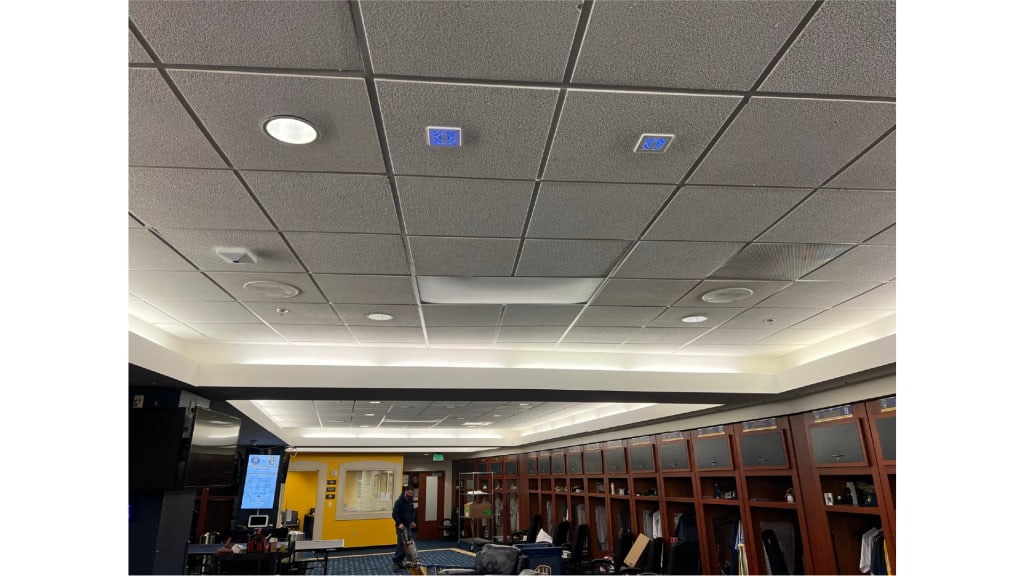
I never thought much about the air inside a gym. The focus is usually on the weights, the mirrors, the noise, the sweat — the things you can see. Air, light, the atmosphere of a room… those always felt like background details. You notice them only when something feels wrong.
And in this particular gym, something always felt wrong.
It wasn’t dirty. The staff cleaned regularly. The equipment was in good shape. People showed up every day with the same determination. But the space itself felt heavy by mid-afternoon — the kind of heaviness you don’t fully notice until you step outside and suddenly realize how much lighter the air feels.
At first, I thought it was just me. Maybe I was tired, maybe the room was crowded, maybe it was just “normal gym stuff.” But that feeling stayed with me long enough that I started paying attention to details I usually ignored.
That’s when I began noticing things:
the way the air seemed warmer in the corners,
the way humidity clung to the mats,
the faint smell that returned a few hours after cleaning,
the way people’s breath seemed to hang in the air.
None of it was dramatic. But it was constant.
One day, after closing hours, I sat alone in the stretching area — the quietest part of the gym — and realized something simple but important: a gym isn’t just a place to exercise. It’s a place where dozens of people breathe, move, sweat, and recover, all in the same shared air.
If the environment doesn’t support them, everything else becomes harder.
That thought pushed me into a strange rabbit hole of reading about humidity, airflow, lighting, and how indoor spaces behave when people push their bodies inside them. I didn’t expect to find anything interesting. But I did.
I learned that small things — the direction of airflow, the type of lights overhead, even the placement of a fan — can influence how clean a gym feels. I learned that the air inside a room can become “tired” in the same way people do: too warm, too humid, too still.
And I noticed something else:
Some gyms felt good even when they were crowded. Others felt heavy even when they were empty. The difference wasn’t the equipment; it was the environment.
I decided to experiment. Nothing dramatic — just tiny changes to see what would happen.
I adjusted how air moved through the stretching area.
I swapped a few lights for a cooler, cleaner tone.
I paid attention to how the air changed throughout the day.
Then I waited.
The change didn’t happen overnight. But after about a week, one of the trainers walked in and said, “It feels nicer in here today.” That was the first sign that something had shifted. A small thing, barely noticeable, but there.
Over the next few days, more people commented — not with big statements, but with small observations:
“It doesn’t smell as heavy.”
“The air feels fresher.”
“It’s easier to breathe in here.”
None of them knew about the small changes I had made. They just felt the difference.
That’s when it hit me: a healthy gym isn’t built only from machines — it’s built from the air and light that fill the room.
The more time I spent observing, the more I realized how much the environment affects movement. People push harder when the room feels good. They stay longer. They leave feeling better. And the gym itself ages more slowly — fewer odors, fewer damp corners, fewer complaints.
We tend to think of health as something personal — something happening inside our bodies. But a gym reminds you that health is also environmental. It’s shaped by the spaces we enter, the air we breathe, the light that surrounds us as we move.
Creating a healthy gym environment doesn’t require fancy technology or complicated systems. Sometimes it’s just awareness — noticing when a room feels “off” and being curious enough to adjust it. Sometimes it’s the soft glow of the right lighting or the steady movement of air that keeps a room from feeling stagnant.
What surprised me most wasn’t how much these small changes improved the gym.
It was how much they changed the way people felt inside it.
A healthy gym isn’t just a place to work out.
It’s a place that supports you quietly — with light you barely notice and air you take for granted, until the day you don’t.
About the Creator
illumipure
Sharing insights on indoor air quality, sustainable lighting, and healthier built environments. Here to help people understand the science behind cleaner indoor spaces.
Keep reading
More stories from illumipure and writers in Longevity and other communities.
Visible Light vs UV-C: What I Learned While Trying to Clean the Air in Real Rooms
I didn’t start out caring about air disinfection or lighting wavelengths. Honestly, I didn’t even know what UV-C really was until a few years ago. All I knew was that the rooms I was working in—gyms, classrooms, meeting spaces—always seemed to feel “heavier” than they should. You know that sensation when you walk into a room and something feels off? Not dirty, not smelly, just… dense.
By illumipure2 months ago in Longevity
Day 4 of Quitting
If this is how sobriety feels, maybe it’s better to go through life a little buzzed… this, along with other hits like, I want to kill myself, I wish I was dead, and I’m going to throw myself off a bridge have been the only thoughts on rotation these past few days. I promise myself that if, in a month, I still feel like this (‘this’ meaning despondent, full of rage, and simultaneously numb) I can go back to smoking. Until mid-February though? Nicotine is off the table.
By sleepy drafts10 days ago in Longevity



Comments
There are no comments for this story
Be the first to respond and start the conversation.