
New Research Reveals Rapid Weight Regain Once Weight-Loss Injections End
New 2026 BMJ research reveals rapid weight regain of up to 0.8 kg per month after stopping GLP-1 weight-loss injections like semaglutide and tirzepatide.

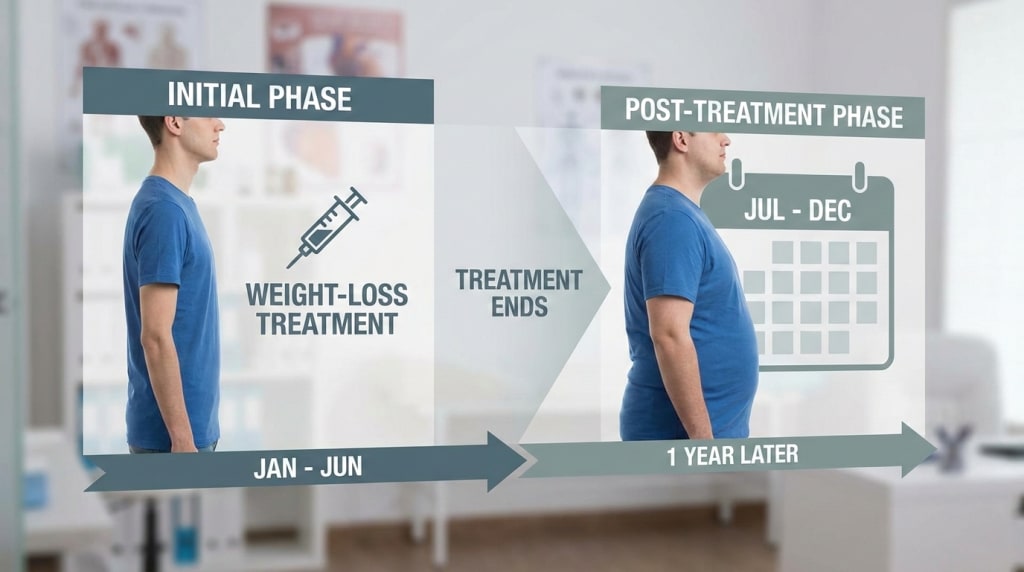
Weight-loss injections have transformed obesity management in recent years. Medications such as semaglutide (found in Ozempic and Wegovy) and tirzepatide (in Mounjaro) enable substantial weight reduction through innovative mechanisms. However, emerging evidence highlights a critical limitation: rapid weight regain often occurs once treatment ends.
A landmark systematic review and meta-analysis published in The BMJ on January 7, 2026, reveals this challenge clearly. Researchers from the University of Oxford analyzed data from thousands of participants and found that individuals regain weight much faster after stopping these injections than after discontinuing traditional diet and exercise programs. Consequently, this study underscores the chronic nature of obesity and prompts a reevaluation of long-term strategies.
The Rise of Weight-Loss Injections in Modern Obesity Treatment
Physicians increasingly prescribe weight-loss injections as frontline treatments for obesity. These GLP-1 receptor agonists, and dual agonists like tirzepatide, mimic hormones that regulate appetite and glucose. Patients typically achieve 15-20% body weight reduction within the first year, far surpassing results from many conventional approaches.
Furthermore, pharmaceutical companies aggressively market these drugs, and media coverage amplifies their appeal. Celebrities and influencers share success stories, driving demand. However, experts emphasize that these medications address symptoms rather than root causes. Moreover, high costs and supply shortages limit access for many who need them.
How Weight-Loss Injections Achieve Dramatic Results
Weight-loss injections primarily work by targeting brain centers that control hunger. Semaglutide activates GLP-1 receptors, slowing gastric emptying and promoting satiety. Patients feel full sooner and experience reduced cravings, leading to lower calorie intake without constant willpower struggles.
Additionally, tirzepatide combines GLP-1 and GIP receptor agonism, enhancing insulin sensitivity and energy expenditure. Clinical trials demonstrate average losses of 14-20 kg over 68-72 weeks. These mechanisms explain the rapid initial success. However, the body adapts over time, and effects depend on continued administration.
The 2026 BMJ Study: A Comprehensive Meta-Analysis
Researchers at the University of Oxford conducted a rigorous systematic review to quantify post-cessation outcomes. They examined 37 studies involving over 9,300 adults who used weight management medications for at least eight weeks, with follow-up after discontinuation.
The analysis included randomized controlled trials, non-randomized studies, and observational data. Investigators compared results against behavioral weight management programs and placebos. Lead author Dr. Sam West and colleagues applied advanced statistical models to estimate regain rates accurately. This approach provides the most robust evidence to date on long-term sustainability.
Startling Findings on Weight Regain Rates
The study reveals an average regain of 0.4 kg per month after stopping any weight management medication. For newer GLP-1 agonists like semaglutide and tirzepatide, this rate doubles to 0.8 kg per month. Projections indicate return to pre-treatment weight in approximately 1.5 years for these drugs.
In the first year alone, participants regain about 9.9 kg on average after discontinuing newer injections. Consequently, much of the hard-earned progress vanishes quickly. These figures remain consistent across sensitivity analyses, confirming the reliability of the results.
Why Regain Occurs Faster Than with Lifestyle Interventions
Individuals who stop behavioral programs regain weight more slowly, at about 0.1-0.2 kg per month. In contrast, medication cessation triggers regain 0.3 kg faster per month. Lifestyle changes build habits and skills that persist somewhat after program completion.
However, injections suppress appetite pharmacologically without requiring the same behavioral practice. When the drug leaves the system, hunger returns intensely, often exceeding baseline levels. Researchers suggest this rebound appetite drives the accelerated regain.
Biological Mechanisms Driving the Rebound Effect
Obesity involves complex hormonal dysregulation, including lowered satiety signals. Weight-loss injections temporarily correct these imbalances. Upon discontinuation, the body reverts to its pre-treatment state, with leptin resistance and elevated ghrelin contributing to increased hunger.
Moreover, rapid weight loss can reduce resting metabolic rate, making regain easier. The brain's reward system, altered during treatment, seeks compensation through overeating. These physiological adaptations explain why regain feels inevitable for many patients.
Reversal of Cardiometabolic Benefits
The study extends beyond weight, examining health markers. Blood pressure, cholesterol, HbA1c, and glucose levels improve during treatment but reverse rapidly afterward. Most markers return to baseline within 1.4 years.
This reversal eliminates reductions in diabetes and cardiovascular risk. Therefore, short-term use provides temporary rather than lasting protection. Experts stress that sustained treatment or integrated strategies are essential for maintaining these gains.
Real-World Implications and Expert Perspectives
Many patients discontinue injections due to side effects, cost, or access issues. Real-world data suggest over half stop within a year. Dr. Susan Jebb, a senior author, notes that obesity is chronic, requiring ongoing management rather than short-term fixes.
Furthermore, Associate Professor Dimitrios Koutoukidis highlights the lack of practiced skills during medication use. Patients must receive support to develop sustainable habits. While some may consider options to buy weight loss injections online for convenience, healthcare professionals strongly warn against this practice due to risks of counterfeit products and lack of medical oversight.
Exploring Sustainable Alternatives and Strategies
Behavioral interventions, though slower, foster lasting skills through diet tracking, exercise, and mindset shifts. Combining injections with coaching may improve maintenance. Emerging research explores gradual tapering or intermittent dosing.
Additionally, addressing sleep, stress, and environmental factors supports long-term success. Primary prevention through policy changes remains crucial. Patients benefit most from personalized plans that integrate multiple approaches.
Rethinking Weight Management in Light of New Evidence
This 2026 research illuminates the limitations of relying solely on weight-loss injections. While these medications offer powerful tools, discontinuation leads to rapid regain and health reversal. Healthcare providers must set realistic expectations and emphasize comprehensive care.
Ultimately, individuals achieve enduring success by viewing obesity management as a lifelong journey. Ongoing support, habit formation, and societal changes provide the foundation for sustainable health.
About the Creator
Alex
I've built my career around people-focused roles in the software industry, where clear communication, hands-on support, and quality assurance are always top priorities.
5 Best Breakfast Foods for Better Blood Sugar, Recommended by Dietitians
KEY POINTS Skipping or not optimizing breakfast can impact blood sugar levels. A breakfast rich in fiber, protein and healthy fats can help stabilize blood sugar. Balanced breakfasts, like overnight oats, provide blood-sugar-stabilizing nutrients.
By Good health to everyone5 days ago in Longevity
Pink Salt Bricks: Natural Support for Asthma Relief
Understanding Himalayan Salt Therapy? Starting deep underground, air fills with fine grains during Himalayan salt sessions. Though built indoors, these spaces mimic old mines across Eastern Europe - places linked to easier breathing among workers long ago.
By Emily Rosie7 days ago in Longevity



Comments
There are no comments for this story
Be the first to respond and start the conversation.