
8 essential factors for a healthy heart that may ensure a long life
A new study finds that people who stick closely to a set of measures of cardiovascular health may live nearly a decade longer than those who don't.

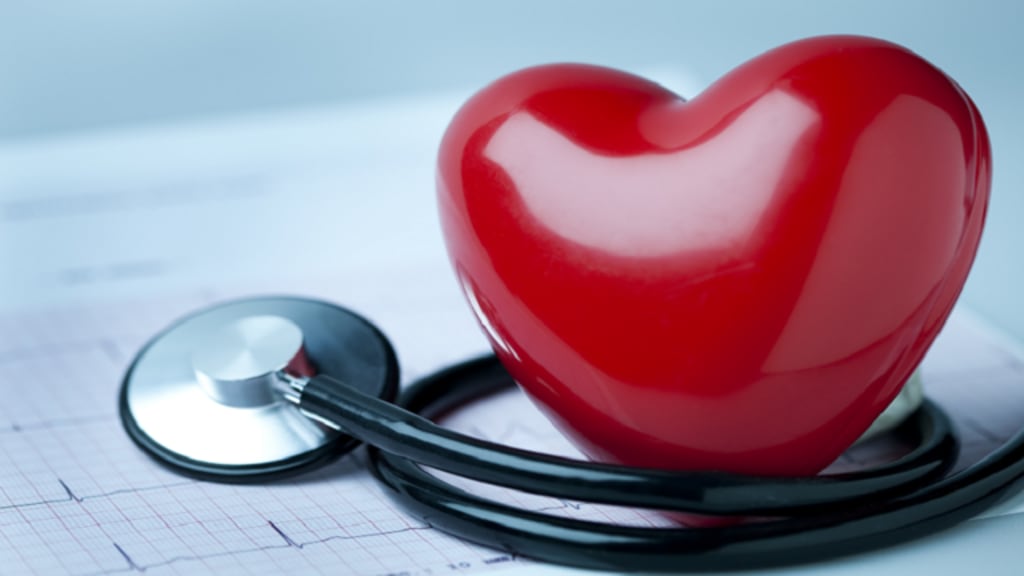
The study, published in the journal Circulation, found that those with the highest scores for cardiovascular health lived up to nine years longer, on average, than those with the lowest scores.
The score measures adherence to a set of lifestyle behaviors and health factors developed by the American Heart Association known as the Life's Essential 8.
These measures encourage not using tobacco products, being physically active, eating a healthy diet, getting adequate sleep, managing weight, and controlling blood pressure, blood glucose and cholesterol levels.
A previous study found that adults who adhered most to these measures lived longer without chronic disease than those with lower scores.
The new findings provide evidence "that you can modify your lifestyle to live longer," said the study's lead author Dr. Lu Qi, professor of epidemiology and director of the Obesity Research Center at Tulane University in New Orleans.
Chi and colleagues analyzed data from 23,003 adults who participated in the 2005-2018 National Health and Nutrition Examination Survey, along with data from the National Mortality Index through December 31, 2019.
The participants ranged in age from 20 to 79, and were followed for an average of 7.8 years.
Using a 100-point scale, the researchers determined whether the participants had low (less than 50), medium (50 to 79), or high (80 or higher) scores on cardiovascular health for each of the eight measures. They also calculated an overall score for cardiovascular health.
And people with the highest overall scores had an average of 8.9 years longer life expectancy at age 50 than those with the lowest scores.
Tobacco use, sleep, physical activity and blood sugar levels had the greatest impact on life expectancy.
Compared to people who smoked the most, those who didn't smoke lived 7.4 years longer. And those who slept the recommended seven to nine hours per night lived five years longer than those who slept too much or not enough.
The most physically active people lived 4.6 years longer than those who were the least active. And those who scored higher on maintaining blood glucose control lived 4.9 years longer than those with poor blood glucose control.
"What this shows us is how important it is to comprehensively assess an individual's cardiovascular health, based on these eight factors," said Nathan Wong, professor and director of the Heart Disease Prevention Program in the Department of Cardiology at UC Irvine.
About 42% of the increase in life expectancy is attributed to fewer deaths related to cardiovascular disease.
However, this means that approximately 58% of the life years gained from having a better cardiovascular health profile were not related to cardiovascular disease. "This suggests that the effect of maintaining cardiovascular health extends to other causes of death," says Wong, who was not involved in the research.
Wong said the findings should motivate people to better understand their cardiovascular disease risks through annual health check-ups and the use of online tools.
And while Life's Essential 8 includes several key measures of cardiovascular health, Wong said future research should look at the extent to which other factors may also play a role, such as psychosocial factors (stress and depression), as well as social determinants of health such as getting health care.
"Because the study looked exclusively at mortality, effects on non-fatal cardiovascular outcomes should also be examined, given its significant impact on healthcare utilization," he added. Source: Medical Express
Foods to avoid if you suffer from hay fever!
The pollen count is soaring this period, marking the start of six months of misery for the millions of hay fever sufferers.
But can changing your diet and avoiding certain foods help you avoid constant runny nose and watery eyes?
MailOnline explores which foods you should stay away from if you don't want to make your cold worse.
old cheese
It's not good news for cheese lovers, as experts say the histamines in certain types of cheese can wreak havoc on hay fever sufferers. Histamine is a chemical that causes allergic reactions.
Normally, histamines are released when the body detects something harmful, such as an infection. It causes the blood vessels to dilate and the skin to swell to protect the body.
But in people with allergies, the body mistakes harmless things, such as pollen, dust, or animal hair, as a threat and produces histamine.
This causes the well-known allergy symptoms of itchy eyes, runny nose, sneezing and rashes.
But histamine is also present in some types of cheese, especially aged and fermented cheeses.
Histamine is created by bacterial microbes, which grow on the rind of aged cheese to help it ripen and protect it from harmful pathogens, according to a 2019 article published in Scientific Reports.
Dr Adrian Morris, an allergist at the Surrey Allergy Clinic, said: "If you have an allergy and you react to the pollen, you release histamines. If you then eat a food rich in natural histamine, you are likely to have slightly worse symptoms."
But, he added, not all dairy products cause this problem.
"It should be fermented from dairy products. You don't need to avoid fresh milk and cheese because it's not a problem with these foods," Dr. Morris said.
Processed meat
Dr. Morris said chicken livers, patties, processed chicken, and any leftover meat can cause a reaction.
He said, "They have natural histamines in them, so when you eat them, you fill your body with histamines." You could have a mix of them, and the levels might go up a bit. Most people metabolize it well and it's not a problem. But some people may sneeze more and experience itching."
He noted that fish including tuna, salmon, mackerel, caviar, pickled herring and oysters can boost your histamine levels.
How you cook these foods can also affect how well you experience hay fever symptoms, according to a 2017 Korean study published in the Annals of Dermatology.
Chocolate
It is believed that chocolate causes the worst enemy for hay fever sufferers - histamine.
Even without containing high levels of the chemical, some foods and drinks can stimulate mast cells in the body — found in the skin, lungs, nose, mouth, intestines, and blood — to release histamine.
Some foods can also inhibit the activity of the enzyme diamine oxidase, which is involved in the breakdown of histamine.
Chocolate triggers both of these processes, according to a 2007 article published in the American Journal of Clinical Nutrition.
This means that even though chocolate has a low histamine content, it can stimulate the release of histamines that are present in the body.
Chocolate also contains other biosynthetic amines — chemicals in food, including one type of histamine — that slow down the breakdown of histamine.
cantaloupe
A refreshing summer fruit may not be the best snack for hay fever sufferers.
Unrelated to the effects of histamine, Dr. Morris says, certain fruits, vegetables, nuts and grains can trigger hay fever symptoms.
Oral allergy syndrome, also known as food pollen syndrome, occurs when the body mistakes structured pollen for foods found in trees, grass and weeds.
This cross-reactivity means that the immune system recognizes a food protein as an allergen and creates an allergic response.
Symptoms can include swollen lips, itchy mouth, and itching of the inner ear.
A whole bunch of fruit can trigger this reaction, but watermelon is the main culprit for people with pollinator syndrome, because it's bad for those allergic to ragweed pollen.
Ragweed pollinators can also trigger a reaction from bananas, honey, chamomile tea, and sunflower seeds.
But these allergy symptoms vary from person to person.
"People with this condition will not react to all foods, but they may react to four or five of them," Dr. Morris said.
However, just like histamine in meat, how you cook your food matters when it comes to pollen allergy.
Dr Morris said: "If you cook the food you can reduce the allergy. People say when they peel a potato they get itchy hands and sneeze but if they eat a potato they are fine. This is because heating damages the protein so it's less of a problem." Source: Daily Mail
A Russian nutritionist advocates not to overeat Easter cakes
Russian nutritionist Galina Mezentseva urged not to overeat with Easter cakes.
She said in an interview with the online newspaper "Gazzetta.ru" that she recommends eating only a small piece of Easter cake, weighing about 80-150 grams.
And she stressed that the main danger resulting from the misuse of Easter pastries lies in the increase in weight and sugar, and that in their composition what spoils the teeth.
In addition, if you eat a lot of pastries, you will eat less healthy food items, such as vegetables, fruits, and whole grains, that day. Therefore, it is better not to overeat the Easter cake.
This advice is especially relevant for those who suffer from diabetes, insulin resistance, obesity, high cholesterol and diseases of the gastrointestinal tract.
But eating Easter cottage cheese is the best, according to the specialist, as it contains more protein and fewer carbohydrates. At the same time, the recommendations are the same: its amount should be no more than 150 grams per day.
The Russian TV channel "360" explained how a suitable cake should be chosen for Easter, noting that special attention should be paid to its top, which must be dry, otherwise the pastry will be damaged before the expiration date. Source: Komsomolskaya Pravda
About the Creator
News Correct
Information WorldWide MORE INFORMATION
Keep reading
More stories from News Correct and writers in Longevity and other communities.
The Invisible Full-Time Job: Living With Chronic Pain While Trying to Keep Life Together
Most people think of a job as something you clock in and out of. A defined place where effort produces results. But when you live with chronic pain, you are working a second job every day—one that no one can see.
By Navigating the World4 days ago in Longevity
The First Rainbow Baby
Pitter-patter, pitter-patter. The rain fell in rhythmic splatters, slowly slowing, but still constant. Mira rolled onto her side pulling the blanket tight against her ears, but still she could hear chitter-chatter and scurrying feet of the creatures that refused to sleep in the lower decks.
By A. J. Schoenfelda day ago in Fiction


Comments
There are no comments for this story
Be the first to respond and start the conversation.