
The Growing Importance of Mental and Behavioral Health in Everyday Life
Understanding Challenges, Breaking Stigma, and Building Healthy Minds

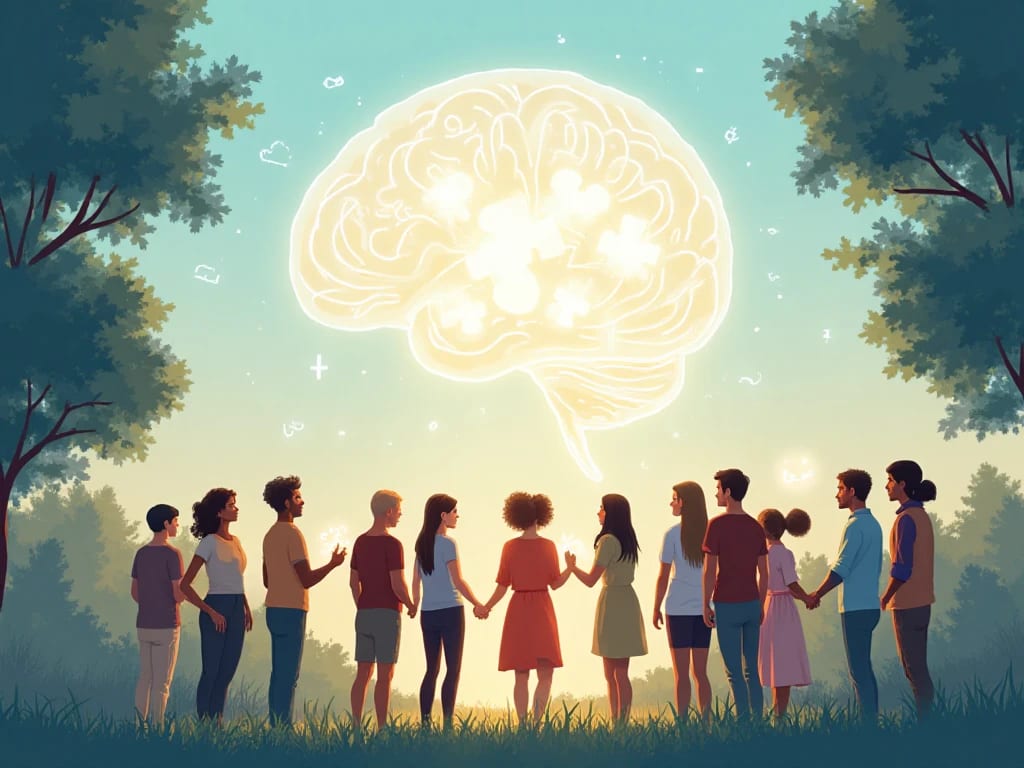
Mental and behavioral wellness has transitioned from a personal, highly stigmatized issue to one of the most widely debated aspects of human wellness. Today, people are beginning to understand that mental wellness is just as important as physical wellness. It determines how we think, feel, act, and interact with other people. If it is not given attention, its effects ripple through families, workplaces, and society. The increasing awareness is encouraging, but challenges such as stigma, poor access to care, and lifestyle stress still remain major barriers.
Why Mental Health Matters
At its core, mental health refers to our emotional, psychological, and social wellbeing. Behavioral health adds another layer, focusing on how our daily actions, habits, and choices affect our state of mind. For example, substance use, sleep patterns, eating habits, and stress management are all part of behavioral health.
Good mental health allows us to deal with stress, connect with others, make decisions, and take pleasure in life. On the other hand, poor mental health can lead to things like anxiety, depression, burnout, or even illness that is more severe. Importantly, mental health is not simply the absence of disease; it entails thriving, being in harmony, and being resilient despite life's adversities and setbacks.
Common Mental and Behavioral Health Issues
1. Anxiety Disorders – Characterized by excessive worry, agitation, or panic attacks, anxiety disorders are among the most common disorders worldwide.
2. Depression – More than just feeling sad, depression also usually involves loss of interest, low energy, and functional impairment.
3. Burnout and Stress – Modern work culture, especially in competitive environments, is a source of excessive stress and emotional exhaustion.
4. Substance Use Disorders – Alcohol or drug use can be a coping mechanism for stress but results in long-term health consequences.
5. Eating and Sleep Disorders – Unhealthy eating habits or sleeping disorders typically go along with mental illness.
All of these disorders affect not only the individual but their families and communities as well, so it is a widespread public health issue.
The Role of Stigma
Stigma is perhaps the biggest barrier to mental healthcare. People are not willing to step forward and seek help for fear of being judged or thought of as "weak." This silence does not permit early intervention, and therefore conditions worsen.
Stigma is erased by open conversations, education, and representation. When media figures, workplace colleagues, or community members openly discuss their challenges and recovery, it becomes normal to seek help. Educational institutions and workplaces that promote mental wellbeing also enable a reduction in discrimination.
Lifestyle and Behavioral Relationships
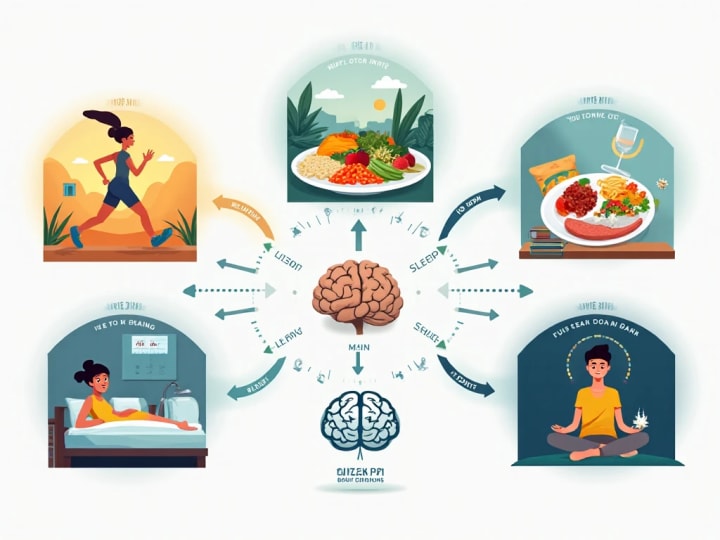
Behavioral health focuses on how daily choices directly impact mental wellbeing. Research shows that:
Regular exercise improves mood, reduces stress, and helps brain function.
Balanced nutrition manages hormones and energy, directly affecting mood and focus.
Sleep hygiene is essential; sleep deprivation worsens anxiety, irritability, and concentration issues.
Substance moderation (not abusing alcohol, drugs, or caffeine) reduces addiction and mood fluctuation risks.
Mindfulness practices like meditation, journaling, or yoga soothe the nervous system and build resilience.
This interconnectedness of lifestyle and mindset enables us to create small daily shifts that build into profound positive change.
Access to Care and Telehealth
Access to mental health services remains an issue, especially in low-resource settings. Insufficient trained professionals, high costs, and cultural barriers prevent many from seeking care.
But digital health is transforming that. Telehealth sites now connect patients with therapists online, bridging distance and stigma barriers. Apps that track mood, teach coping skills, and offer guided meditations are empowering people to manage their mental wellbeing independently. Not a replacement for professional care, but definitely expanding options for those who previously had none.
The Impact on Work and Productivity
Mental health has a direct connection to job performance. Employees who are under stress, burnt out, or untreated often experience concentration problems, lack of motivation, and absenteeism. On a macro scale, this affects organizational productivity and economic growth.
Forward-thinking employers are beginning to realize the benefits of mental health programs. Offering counseling services, wellness workshops, flexible work schedules, and conducive environments not only improve employee wellbeing but also reduce turnover and enhance loyalty.
Developing a Culture of Mental Wellness
Mental and behavioral health promotion is not only an individual but a collective responsibility. Communities, schools, workplaces, and the government are all implicated. A few of the key strategies include:
Education and Awareness Campaigns – Teaching people to recognize symptoms and encouraging open discussions.
Available Services – Expanding insurance coverage, public clinics, and affordable therapy.
Policy Support – Governments prioritizing mental health in public health efforts.
Community Support Networks – Peer networks, local groups, and religious organizations that offer safe spaces.
Early Intervention – Screening employees, students, or patients for mental health issues before they become severe.
Looking Ahead
The future of mental and behavioral health is an integrated one. Instead of ongoing treatment of mental health as something separate from a person's physical health, doctors and policymakers are beginning to see the need for a whole-person approach. Preventive care, lifestyle coaching, and technology support are shaping the path forward.
By putting mental health first, society lessens the weight of disease, enhances productivity, and builds healthier, stronger communities. Everyone has a part to play—whether it's looking after themselves, caring for loved ones, or pushing for societal change.

Youth and Adolescent Mental Health
Young people nowadays experience their own set of challenges. Pressure in school, social media, and uncertainty about what the future holds frequently lead to stress, anxiety, and low self-esteem. Adolescents do not necessarily see these as mental health challenges, and so intervention comes late. By offering school-based mental health services, peer support groups, and online resources, we can encourage young people to access help early. Helping youth does not only improve their lives as individuals but also promotes healthier communities in the future.
The Role of Family and Relationships
Strong personal relationships are one of the most robust protective factors for mental health. Families that encourage open communication, empathy, and non-judgmental support can create a safe haven for individuals struggling. Similarly, friendships and community relationships provide a sense of belongingness that counters isolation and loneliness. Time spent in healthy relationships and community bonds is as critical as professional intervention in the long run for mental health.
Conclusion
Mental and behavioral health is no longer a silent issue. It is at the core of the way we live, interact, and do business with each other. By recognizing its importance, breaking stigma, and fostering healthy lifestyles, we are one step closer to a future where all individuals have a chance to thrive mentally and emotionally.
The journey requires awareness, compassion, and collective effort. Yet with open dialogue and proper resources, mental wellness can be not just a hope, but a shared reality.
About the Creator
Kiruthigaran Mohan
art writing...
Keep reading
More stories from Kiruthigaran Mohan and writers in Lifehack and other communities.
Childhood Obesity Surpasses Underweight Worldwide: A Global Health Turning Point
Introduction Undernutrition was the world most urgent child health problem for decades. Pictures of thin-armed stunted children were the symbols of the struggle against hunger and poverty. But things have changed. The story has taken an unexpected turn. A new report from UNICEF states that obesity in children and youth has now exceeded global rates of underweight.
By Kiruthigaran Mohan4 months ago in Lifehack
How to Build a Home Gym You’ll Actually Use (Not One That Collects Dust)
Building a home gym sounds simple: buy some equipment, set it up, and train whenever you want. In reality, many home gyms end up unused after the initial excitement fades. The problem usually isn’t motivation or discipline—it’s design.
By Enrique Navarro8 days ago in Lifehack
How, Too
Many people wonder how, too. You are not alone, and I am an expert. I will teach you how, too! First, you need to remit a small application fee and fill out an application describing the nature of your financial situation and how often payments will be made, as this will have great bearing on how well I teach you how, too.
By Harper Lewis4 days ago in Fiction



Comments
There are no comments for this story
Be the first to respond and start the conversation.