
How to Build a Home Gym You’ll Actually Use (Not One That Collects Dust)
Why long-term consistency matters more than equipment perfection

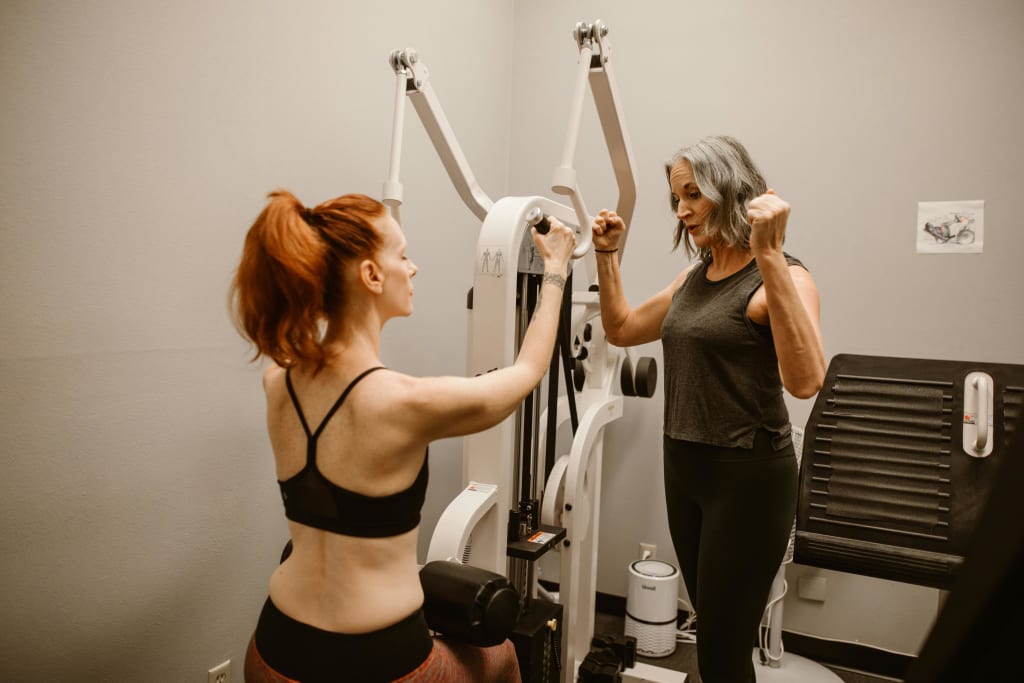
Building a home gym sounds simple: buy some equipment, set it up, and train whenever you want. In reality, many home gyms end up unused after the initial excitement fades. The problem usually isn’t motivation or discipline—it’s design.
A home gym that works long term isn’t built around trends, aesthetics, or idealized routines. It’s built around real habits, real space, and realistic expectations. When those factors are aligned, training becomes easier to start and easier to maintain.
Start With How You Actually Train
One of the most common mistakes people make is designing a home gym for the person they want to be, not the person they currently are. It’s easy to imagine daily, high-intensity workouts with long sessions and complex routines. But consistency usually comes from simplicity.
Before choosing equipment, ask yourself a few honest questions:
- How many days per week do I realistically train?
- Do I prefer shorter sessions or longer workouts?
- Do I enjoy repeating familiar movements, or do I need variety to stay engaged?
If you train three times per week for 30–45 minutes, your setup should support that pattern. A gym designed for daily two-hour sessions will likely feel overwhelming and eventually get ignored.
Design for Convenience, Not Perfection
A home gym should reduce friction, not add it. Equipment that requires long setup times, frequent adjustments, or moving heavy items out of the way often gets skipped—even when motivation is high.
Small design choices make a big difference:
- Keep frequently used equipment visible and easy to access
- Avoid blocking walkways or shared living spaces
- Make sure the area feels comfortable, not cramped
- Ensure lighting, ventilation, and flooring support regular use
The easier it is to start a workout, the more likely you’ll follow through.
Choose Fewer, More Versatile Pieces
Many people overbuy equipment early on. Instead of filling a room with machines, it’s usually better to focus on versatile tools that allow multiple exercises and adapt over time.
Examples of versatile choices include:
- Adjustable benches
- Dumbbells or adjustable weight systems
- Compact or foldable cardio equipment
- Modular racks or cable systems
Versatile equipment grows with your training, reduces clutter, and limits the need for constant upgrades.
Think Beyond the First Month
Motivation is highest at the beginning. That’s when most purchasing decisions are made—and when mistakes are most likely.
Before buying any piece of equipment, consider:
- Will this still fit my routine six months from now?
- Is it durable enough for regular use?
- Can I maintain, repair, or resell it if needed?
Cheaper equipment can become expensive over time through repairs, replacements, or frustration. Durable, well-chosen gear often delivers better value even when the upfront cost is slightly higher.
Build Gradually Instead of All at Once
A home gym doesn’t need to be finished on day one. In fact, many effective home gyms are built gradually.
Starting with one or two core pieces allows you to learn what you actually use before expanding. This approach leads to better decisions, less wasted money, and a setup that evolves naturally with your needs.
Progressive builds also reduce overwhelm. Instead of feeling pressured to “use everything,” your gym grows alongside your habits.
Create a Space You Want to Return To
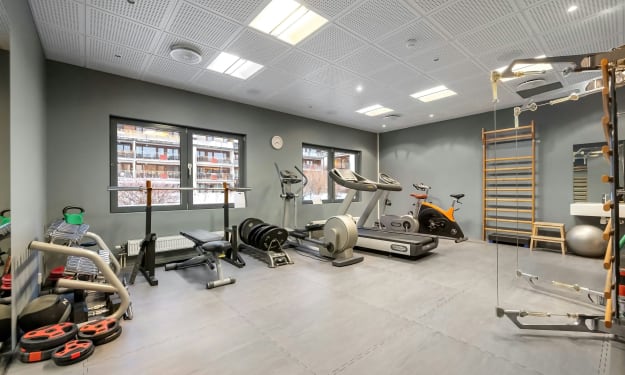
Beyond equipment, the environment itself matters. A clean, organized, and comfortable space encourages regular use. Small touches—like proper flooring, storage solutions, or a dedicated workout area—can significantly improve consistency.
Your home gym doesn’t need to look like a commercial facility. It just needs to feel welcoming and functional for you.
Final Thoughts
The best home gym isn’t the biggest, most expensive, or most impressive—it’s the one that fits seamlessly into your life. When equipment matches your habits, space, and preferences, training becomes easier to start and easier to maintain.
Consistency doesn’t come from owning more equipment. It comes from owning the right equipment, arranged in a way that supports how you actually live and train.
About the Creator
Enrique Navarro
I research and write practical guides on home fitness equipment to help people make smarter buying decisions.
Keep reading
More stories from Enrique Navarro and writers in Lifehack and other communities.
Cardio Machines for Home Gyms: What Really Matters (and What You Can Ignore)
Cardio equipment is one of the most common—and expensive—mistakes people make when building a home gym. Not because cardio is unnecessary, but because many buyers focus on the wrong things: flashy screens, trendy brands, or features they rarely use after the first few weeks.
By Enrique Navarro10 days ago in Lifehack
Being Human Is Heavy
No one tells you that being human comes with a weight you cannot put down. Not when you’re born, not when you learn to walk, not even when you learn to love. It arrives quietly, accumulating over years, stacking itself in invisible layers until one day you wake up tired for no clear reason. You blame sleep. You blame work. You blame age. But the truth is simpler and harder: being human is heavy.
By LUNA EDITH2 days ago in Lifehack


Comments
There are no comments for this story
Be the first to respond and start the conversation.