
Is your Microwave in a Dangerous spot? The 5 Worst Places to Put It
You might be risking a fire or an electrical shock without knowing it . Here is the safety guide every homeowner needs

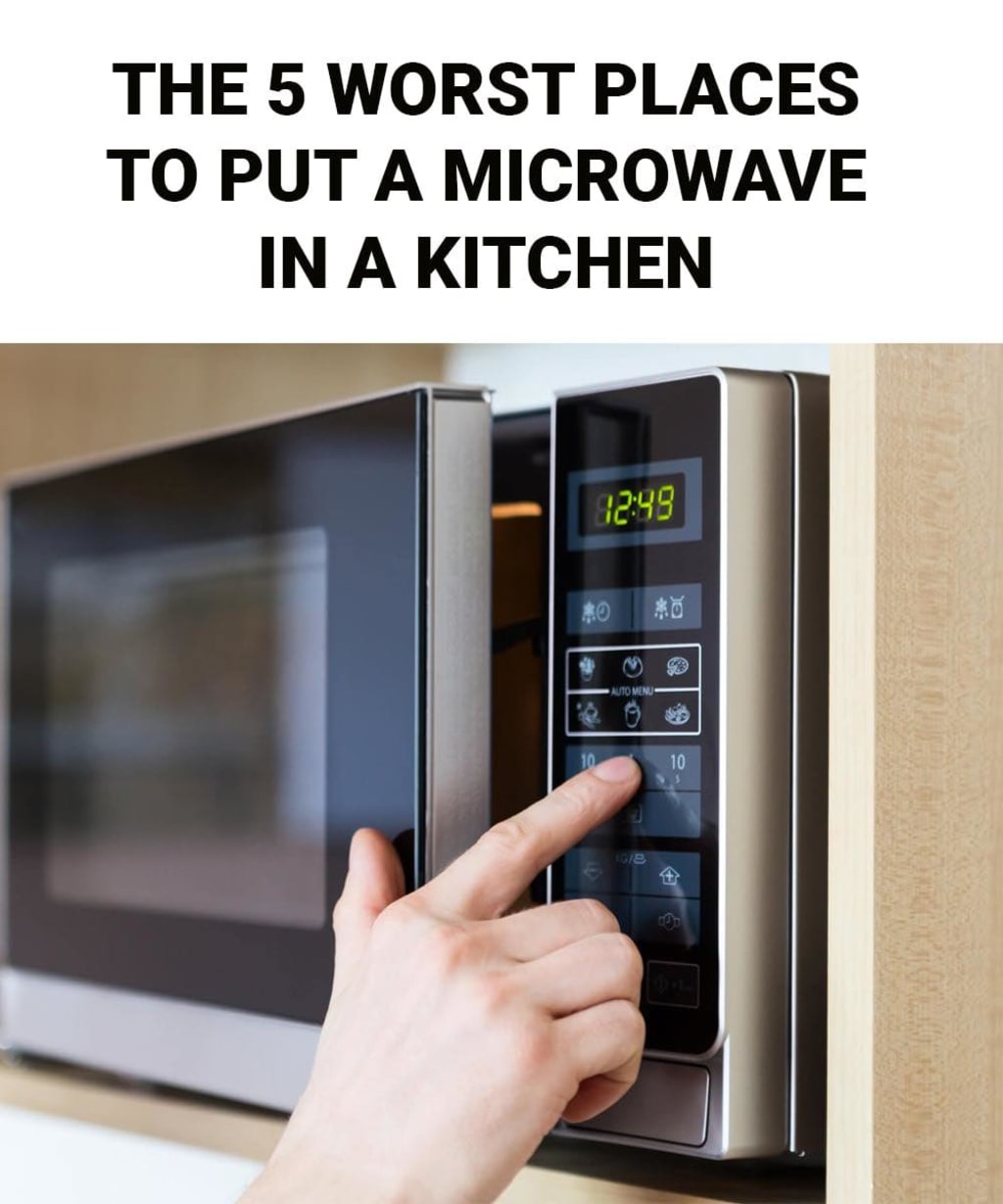
Is Your Microwave in a Dangerous Spot? The 5 Worst Places to Put It
You might be risking a fire or an electrical shock without knowing it. Here is the safety guide every homeowner needs.
Unsure where to put your microwave? Although it may seem like a minor choice, placing it in the wrong spot can create safety hazards, restrict airflow, and even affect how well it works. Whether your kitchen is small or spacious, choosing the right location can make a big difference. A microwave is one of the most commonly used appliances in any kitchen, so where you place it should balance convenience and safety.
Proper ventilation is essential to prevent overheating, the height should allow easy loading and unloading, and the surface must be sturdy to keep it stable. Before installing it, take time to weigh the best and worst placement options.
The Best Places to Put a Microwave
The ideal location for your microwave depends on your kitchen’s layout, how much space you have, and how often you use it. Below are some of the most practical and recommended spots to consider:
Countertop: The most common and convenient option, especially if you use your microwave frequently. Just ensure it has enough space around it for ventilation.
Built-in wall cabinet: If you prefer a sleek, clutter-free look, placing the microwave inside a cabinet with proper ventilation is a great option. Some kitchens even have dedicated microwave slots.
Above the oven or hob (built-in microwave hood): This is a space-saving option found in many modern kitchens, but ensure there’s enough clearance from the stove to avoid overheating.
Microwave shelf or stand: A separate shelf or microwave cart keeps it accessible without taking up valuable counter space.
Kitchen island: If you have an island with built-in storage, placing the microwave inside a dedicated slot keeps it out of the way while maintaining convenience.
Where You Should NEVER Put a Microwave
Some spots may look convenient at first but can actually create safety risks or reduce the microwave’s usability. Here are places you should avoid:
Near the sink: Water and electricity are a dangerous combination. Placing a microwave too close to the sink raises the risk of electrical accidents.
On top of the refrigerator: Although it may save counter space, a fridge gives off heat that can interfere with the microwave’s performance. It’s also awkward and unsafe to lift hot food from such a height.
Inside a tight or u n v en t i l a ted cabinet: Microwaves produce heat and require proper airflow. Without ventilation, the appliance can overheat and potentially become a fire hazard.
Too low to the floor: A microwave placed very low forces you to bend down to remove hot food, which can be uncomfortable and risky—especially in homes with children.
Above eye level: Installing a microwave too high makes it hard to see inside and increases the chance of spills or burns when handling hot dishes.
The Hidden Impact of Poor Ventilation
Beyond the immediate risk of a fire, poor ventilation drastically shortens the lifespan of your appliance. When steam and heat cannot escape, they build up inside the internal components. Over time, this leads to the "mag n e tron"—the part that actually generates the microwaves—burning out prematurely. If you notice your microwave getting unusually loud or taking longer to heat food, your current placement might be "suffocating" the machine. Always ensure there is at least 5 to 10 cm of clearance at the back and sides to allow for adequate airflow.
Why You Should Never Share a Power Outlet
One often-overlooked aspect of microwave placement is the electrical load. Microwaves are high-wattage appliances, often requiring between 700 and 1200 watts of power. Plugging a microwave into the same outlet as another heavy appliance, like a refrigerator or a toaster, can easily trip your circuit breaker. Even worse, using thin extension cords to reach a distant outlet can cause the cord to overheat, creating a significant fire risk. For maximum safety, your microwave should be plugged directly into its own dedicated wall socket.
Maintenance and Cleaning Tips for Longevity
Choosing the right spot also means making sure you can clean it easily. If a microwave is placed in a cramped corner, you’re less likely to clean the vents, leading to dust buildup which further hinders ventilation. A simple tip for keeping the interior clean without harsh chemicals is to place a bowl of water with lemon slices inside and microwave it for three minutes. The steam will loosen stuck-on food, and the lemon acts as a natural deodorizer.
Conclusion: Safety Meets Functionality
Choosing the right spot for your microwave enhances safety, performance, and overall kitchen organization. Whether it’s placed on a countertop, built into cabinetry, or set on a dedicated shelf, proper ventilation and easy access are essential. Steer clear of locations near heat sources, water, or awkward positions that make handling hot food risky. With thoughtful placement, your microwave can be both efficient and seamlessly blended into your kitchen layout.
About the Creator
Souhail
"Passionate about uncovering hidden mysteries in everyday objects and sharing creative life hacks. Join me as I explore the stories behind the things we use every day."
Premium Gas Is Draining Your Wallet — Unless Your Engine Needs It
Have you ever wondered whether premium fuel could actually help your engine? Fuels rated at 91–93 octane do resist detonation better than lower-octane fuels, and in some cases they can burn more completely. But does that mean your engine will run better, last longer, or get more power?
By Jack Martinabout 21 hours ago in Lifehack
Being Human Is Heavy
No one tells you that being human comes with a weight you cannot put down. Not when you’re born, not when you learn to walk, not even when you learn to love. It arrives quietly, accumulating over years, stacking itself in invisible layers until one day you wake up tired for no clear reason. You blame sleep. You blame work. You blame age. But the truth is simpler and harder: being human is heavy.
By LUNA EDITH3 days ago in Lifehack
Wild Card Weekend Recap: What Happens Now?
I think I figured out why I love Wild Card Weekend so much. It's because it's the first playoff anything of the calendar year. The NFL season starts in the fall, and once upon a time, the champion was crowned either on or slightly before New Year's. The evolution of the NFL schedule has resulted in the playoffs starting just into the New Year, and currently, the final week of the season falls on the first weekend of the New Year, with Wild Card Weekend coming a week after that. So yes, chronologically, the NFL's Wild Card Weekend serves as the first playoff anything of the calendar year.
By Clyde E. Dawkins8 days ago in Unbalanced



Comments
There are no comments for this story
Be the first to respond and start the conversation.