
Everything You Need To Know About Fibroids
Uterine Fibroids
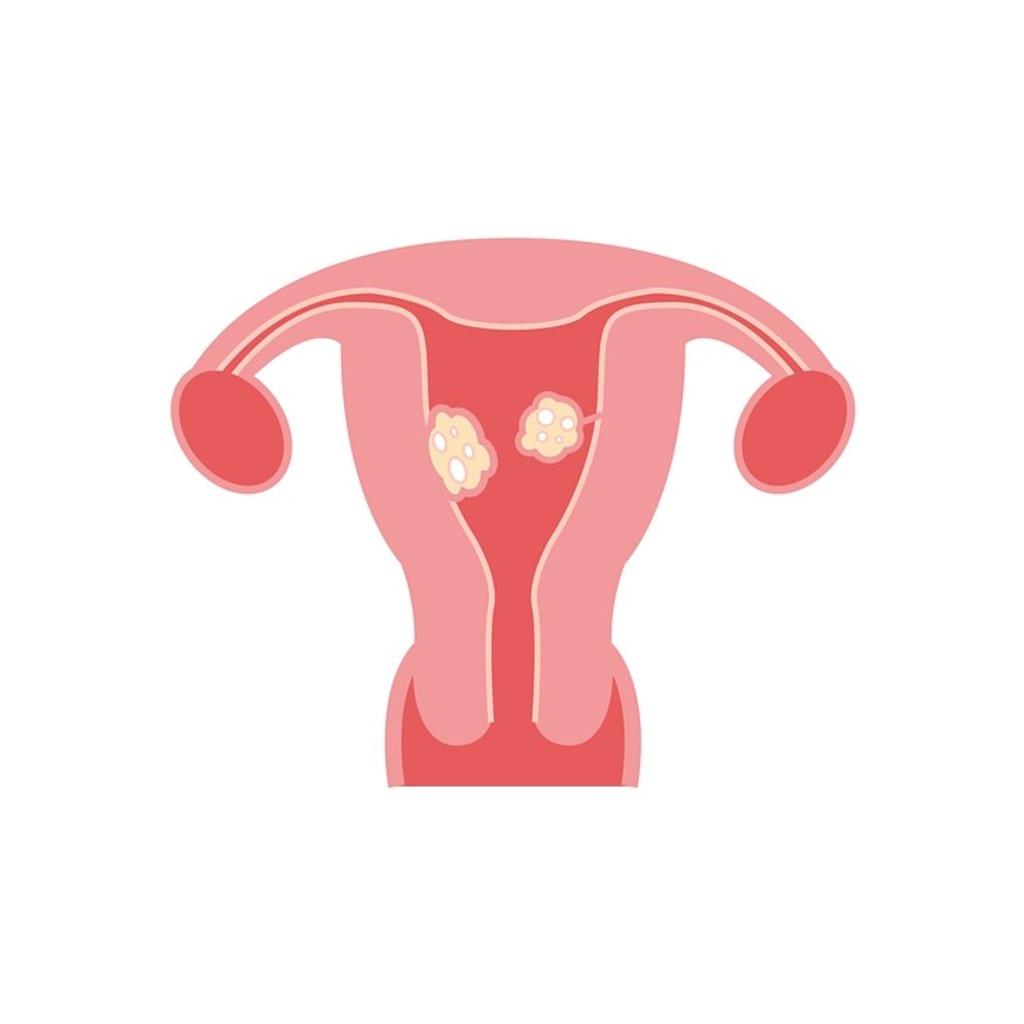
Fibroids are tumors that grow in the uterus. They are usually benign. They can cause pelvic pain, heavy menstrual bleeding, cramping during menstrual cycles, anemia, pressure on the bladder, constipation, and back pain. Fibroids are common in women in their 40s and early 50s and are more common in African-American women. The exact cause of fibroids is unknown, but they are believed to be linked to hormones, obesity, and heredity. Symptoms of fibroids include heavy menstrual bleeding, pelvic pain, frequent urination, constipation, and bloating. Treatment options for fibroids include medication, uterine-preserving treatments, and surgery. It is important for women to talk to their doctor if they experience any of the symptoms of fibroids.
Fibroids are divided into 4 types:
Subserosal fibroids, Intramural fibroids, Submucosal fibroids, and Pedunculated fibroids. Subserosal fibroids form on the outside of the uterus and can push into the pelvis. Intramural fibroids develop in the muscular wall of the uterus. Submucosal fibroids grow into the open space inside the uterus and may also include a stalk. Pedunculated fibroids are those that have a stalk that attaches to the uterus.
Fibroid Size Chart:
The size of uterine fibroids can range from small to large. Small fibroids can be less than 1 cm to 5 cm in length. Medium fibroids range from 5 cm to 10 cm. Large fibroids are those that exceed 10 cm. Fibroid size chart: Small fibroid – less than 1-5 cms in length (Size of a pea to a cherry). Medium fibroid – 5cms -10cms (Size of a plum to a large orange). Large fibroid – 10cms or more (Size of a mango to a watermelon).
Do Fibroids Require Surgery?
Surgery may be an effective treatment for symptomatic fibroids. However, not all fibroids require surgery. If your fibroids are asymptomatic and not causing any issues, then surgery may not be necessary. For women with heavy bleeding, it is worth trying medication before undergoing a surgical procedure. Women with pressure symptoms caused by large fibroids won't need surgery if the fibroids shrink after menopause. Surgery may be recommended if other treatments are not effective in treating fibroid-related symptoms.
Fibroid Symptoms
Symptoms of fibroids can vary depending on the size, location, and number of fibroids. Common symptoms include heavy menstrual bleeding, pelvic pain, frequent urination, constipation, and bloating. Other symptoms may include anemia, pain during intercourse, and a feeling of fullness or pressure in the abdomen. In some cases, fibroids can cause infertility or an increase in miscarriage risk. It is important to talk to your doctor if you experience any of these symptoms.ourse, and a feeling of fullness or pressure in the abdomen.
Natural treatments for fibroids include making dietary changes, taking herbal remedies, and making lifestyle changes. To help reduce symptoms associated with uterine fibroids naturally, try the following:
- Reduce your intake of salt and avoid packaged and processed foods with a lot of sodium.
- With a home monitor, check your blood pressure on a daily basis.
- Regularly exercise.
- Reduce your weight, particularly around the waist.
- Limit or avoid drinking.
- Eat the majority of your food from plants at each meal to get more potassium.
- Increase your intake of fiber-rich unprocessed foods.
- Take vitamins such as B-1, B-6, E, magnesium, and omega 3 fatty acids.
- Consider taking herbal supplements, such as green tea extract, resveratrol, curcumin, and herbs used to treat uterine fibroids.
- Use acupuncture to activate the body's ability to heal itself.
- Use relaxation techniques, such as yoga, massage therapy, and warm baths.
- Consider flaxseeds, which may help balance estrogen levels and shrink fibroids.
- Take vitamins D, calcium, magnesium, and phosphorus to help prevent fibroid growth.
Wrapping Up:
In conclusion, making lifestyle changes, taking herbal remedies, and making dietary changes are all natural treatments for fibroids. Weight loss, limiting salt and sugar intake, getting regular physical activity, taking vitamins and supplements, and using relaxation techniques are all beneficial in treating fibroids and reducing symptoms. While natural treatments may not be effective for everyone, they can be a great way to manage symptoms and reduce the risk of getting fibroids.
About the Creator
Keep reading
More stories from Basith Ahmed and writers in Lifehack and other communities.
Breastfeeding Positions for Back Pain Relief
Breastfeeding is a beautiful experience that mothers and babies share together. While it is a wonderful bonding experience, it can also cause back pain in some mothers. With the proper breastfeeding positions, however, this can easily be avoided. In this blog, we will discuss the best breastfeeding positions for back pain relief, how to use them and the overall benefits.
By Basith Ahmed3 years ago in Lifehack
Snapchat Account Hack in 2026: The Real Methods and How to Protect Yourself
Your Snaps Aren't as Disappearing as You Think When you send a Snap, you probably believe it vanishes into the digital void after being viewed. This illusion of ephemerality creates a dangerous false sense of security for millions of Snapchat users. Behind the playful lenses and streaks lies a constant, hidden battle for account access—a battle where your personal conversations, photos, and location data are the prize. Understanding this landscape isn't about promoting hacking; it's about empowering you with the knowledge to build digital fortresses around your private life.
By Alexander Hoffmann5 days ago in Lifehack
The 2026 Complete Guide to Legitimate Wi-Fi Password Recovery: Methods, Tools & Protection
Disclaimer: This article is for educational purposes and legitimate password recovery only. Always obtain proper authorization before accessing any network. Unauthorized network access violates laws in most jurisdictions.
By Alexander Hoffmann5 days ago in Lifehack


Comments
There are no comments for this story
Be the first to respond and start the conversation.