Basith Ahmed
Stories (4)
Filter by community
What is Cluster Feeding and How To Manage Cluster Feeding
Explanation for Cluster Feeding Cluster feeding is a term used to describe when a breastfed baby will want to nurse multiple times in a row. It is a completely normal phase where your baby feeds more frequently, because they’re going through a growth spurt. Cluster feeding allows your baby to “tank up” and get ready for longer night sleep. It also signals your body to ramp up milk production during growth spurts. Kelly Bonyata, BS and IBCLC from the ever popular website KellyMom, says this, “Cluster feeding, also called bunch feeding, is when babies space their shorter feeds within a short period of time.” Cluster feeding is when your baby feeds closer together at specific times in the day and then has longer stretches where they don't feed. The growing business can be tough for little ones. Your baby, at any given point, may seem insatiable while you're nursing. Cluster feeding is also an opportune time to begin tackling the never-ending stack of thank you notes that continue piling up long after you have a baby.
By Basith Ahmed3 years ago in Families
How To Avoid Rats in Car Naturally
Rats and mice can cause a lot of damage to cars and garages, making it difficult for vehicle owners to keep their cars in good condition. To prevent rodent infestations and the damage they can cause, there are a number of steps you can take.
By Basith Ahmed3 years ago in Families
Breastfeeding Positions for Back Pain Relief
Breastfeeding is a beautiful experience that mothers and babies share together. While it is a wonderful bonding experience, it can also cause back pain in some mothers. With the proper breastfeeding positions, however, this can easily be avoided. In this blog, we will discuss the best breastfeeding positions for back pain relief, how to use them and the overall benefits.
By Basith Ahmed3 years ago in Lifehack
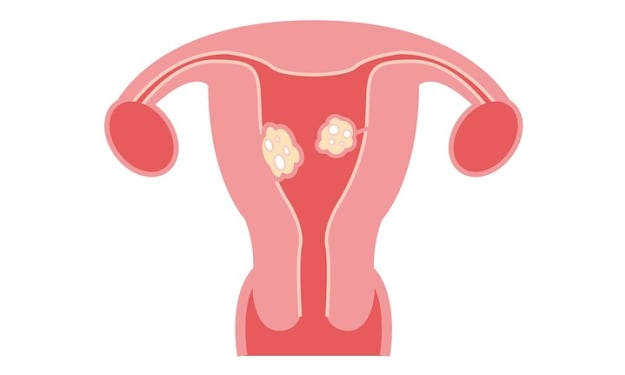
Everything You Need To Know About Fibroids
Fibroids are tumors that grow in the uterus. They are usually benign. They can cause pelvic pain, heavy menstrual bleeding, cramping during menstrual cycles, anemia, pressure on the bladder, constipation, and back pain. Fibroids are common in women in their 40s and early 50s and are more common in African-American women. The exact cause of fibroids is unknown, but they are believed to be linked to hormones, obesity, and heredity. Symptoms of fibroids include heavy menstrual bleeding, pelvic pain, frequent urination, constipation, and bloating. Treatment options for fibroids include medication, uterine-preserving treatments, and surgery. It is important for women to talk to their doctor if they experience any of the symptoms of fibroids.
By Basith Ahmed3 years ago in Lifehack