
Can Insulated Ceiling Panels Really Improve Energy Efficiency?
Uncover the Truth Behind How Insulated Ceiling Panels Help Cut Energy Bills, Reduce Heat Loss, and Enhance Indoor Comfort
When energy bills start creeping up, many homeowners and businesses turn to insulation upgrades for relief. One often overlooked solution is the insulated ceiling panel, a modern insulation technique with the potential to dramatically increase energy efficiency. But do they really live up to the hype? In this blog post, we’ll explore the science behind these panels, their benefits, and how they compare to other insulation methods such as PCM panels.
Understanding Insulated Ceiling Panels
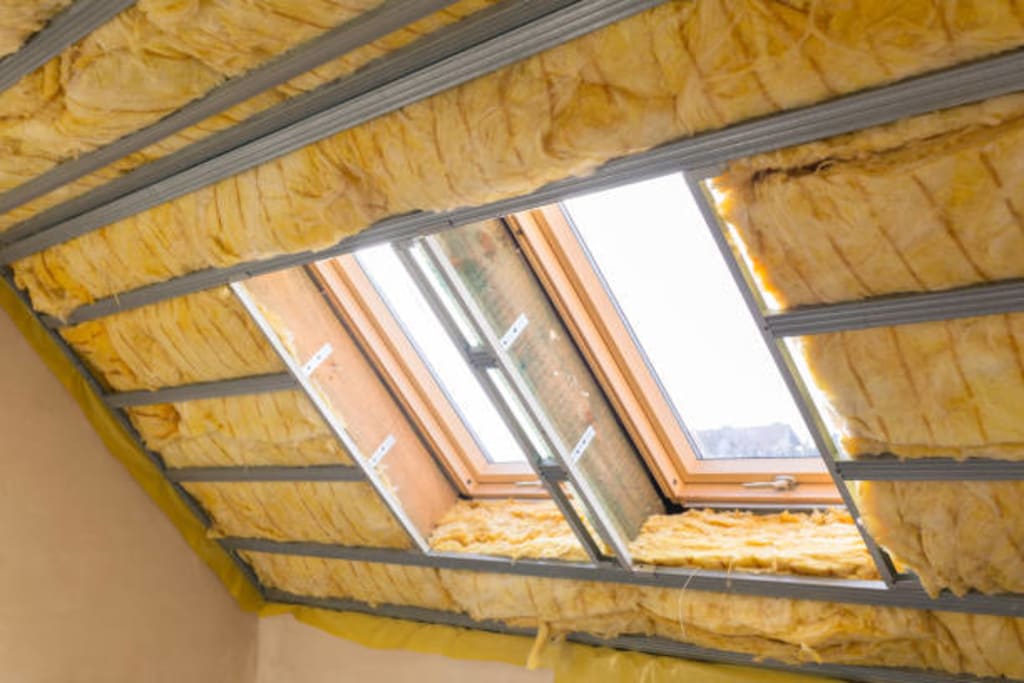
An insulated ceiling panel is a building material designed to add thermal insulation and improve indoor comfort. These panels typically consist of a core insulating material—like expanded polystyrene (EPS), polyurethane foam, or mineral wool—sandwiched between durable facings such as metal or composite materials. They are used in both residential and commercial construction, either during the initial build or retrofitted into existing structures.
Unlike traditional batt insulation, insulated panels come prefabricated, offering consistent coverage and reducing the risk of thermal bridging—a common problem where heat escapes through gaps in insulation.
Energy Efficiency Explained
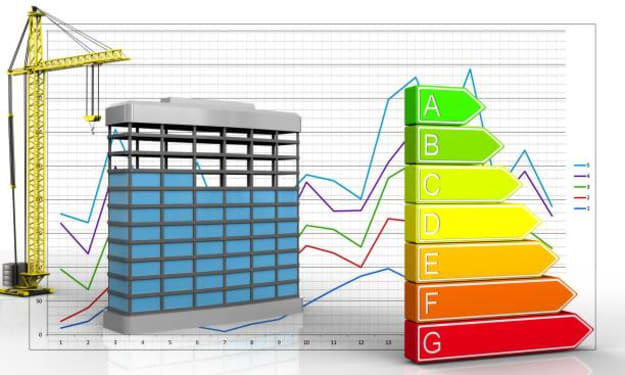
Before delving into the effectiveness of ceiling panels, it's essential to understand what energy efficiency means in a building context. Simply put, energy efficiency is the ability of a structure to maintain a comfortable indoor climate with minimal energy input. This includes keeping heat in during the winter and out during the summer.
Proper insulation plays a key role in achieving this by creating a thermal barrier between the indoor and outdoor environments. Without adequate insulation, a building requires more energy for heating or cooling, leading to higher utility costs and increased environmental impact.
How Do Insulated Ceiling Panels Work?
Insulated ceiling panels act as a shield against heat transfer. Their core materials have low thermal conductivity, which reduces the amount of heat passing through the ceiling. The panels:
Trap air within the insulation, slowing heat movement
Reflect radiant heat, depending on the outer material used
Minimise air leaks, especially when installed as part of a tightly sealed building envelope
This combination of factors allows buildings to retain heat more effectively in cold months and reflect solar radiation during summer, improving year-round energy performance.
Advantages of Insulated Ceiling Panels
Uniformity and Precision
Insulated panels are factory-made, ensuring consistent thickness and quality, unlike fibreglass batts that can be compressed or improperly fitted.
Faster Installation
Due to their prefabricated nature, installation is quicker and less labour-intensive, which can reduce construction costs.
High R-values
They typically offer higher R-values (a measure of thermal resistance) compared to traditional insulation, which means better performance per inch.
Reduced Moisture and Mould Risks
Some insulated panels are designed to be moisture-resistant, lowering the likelihood of damp-related issues, especially in humid environments.
Comparing PCM Panels and Insulated Ceiling Panels
Phase Change Materials (PCM) are another innovation in building insulation. Unlike traditional insulation, PCM panels absorb, store, and release thermal energy as they change from solid to liquid and vice versa.
While PCM technology is impressive for regulating temperature swings, it doesn’t necessarily block heat flow like traditional insulation. Thus, PCM panels are best used in conjunction with standard insulation, such as insulated ceiling panels, rather than as a standalone solution.
In contrast, insulated ceiling panels provide consistent thermal resistance and are particularly effective in reducing heating and cooling demands over time.
Real-World Impact on Energy Bills
Studies and real-world applications have demonstrated that buildings retrofitted with insulated ceiling panels can see:
Up to 30% reduction in heating and cooling costs
Improved thermal comfort for occupants
Lower peak energy demand, which is crucial in high-use facilities like schools, warehouses, or offices
Furthermore, because less energy is required, these panels contribute to a smaller carbon footprint—a growing priority in sustainable construction.
Challenges and Considerations
Despite their many benefits, insulated ceiling panels aren’t a one-size-fits-all solution. Factors such as the age and structure of the building, existing insulation, and local climate all influence their effectiveness.
Additionally, initial costs can be higher than traditional methods. However, the long-term savings on energy bills and maintenance often outweigh the upfront investment.
Are They Worth the Investment?
For property owners seeking a long-term energy efficiency solution, insulated ceiling panels are certainly worth considering. They combine durability, performance, and ease of installation—making them a smart choice for both retrofits and new builds.
They also align with broader sustainability goals and can help in achieving green building certifications like BREEAM or LEED.
Insulated Ceiling Panel
The insulated ceiling panel serves as more than just a building material—it’s an energy-saving asset. With rising energy prices and environmental awareness, more people are recognising the value in upgrading their building’s thermal envelope. Whether you're building a new property or improving an older one, these panels offer a future-proof solution.
Conclusion
Insulated ceiling panels offer a clear route toward improved energy efficiency in buildings. While they require a thoughtful investment, the returns—both financial and environmental—are substantial. In combination with other technologies like PCM panels, they form part of a broader strategy to make our built environment smarter, more comfortable, and sustainable.
FAQs
Can insulated ceiling panels be used in existing homes?
Yes, they can be retrofitted to improve existing insulation, though installation might require some ceiling modification.
Do insulated ceiling panels offer soundproofing benefits?
Absolutely. Many types also help reduce noise transfer, especially in multi-story buildings.
How long do insulated ceiling panels last?
With proper installation and maintenance, they can last several decades without significant loss in performance.
Are insulated ceiling panels fire-resistant?
Many panels are made with fire-rated materials, but it's essential to check specific ratings when selecting a product.
Is it possible to combine PCM panels with insulated ceiling panels?
Yes, and it’s often recommended to enhance both thermal regulation and insulation.
Do insulated ceiling panels increase home resale value?
Energy-efficient upgrades like these often add value by lowering future operating costs and enhancing comfort.
About the Creator
Therma Cool
ThermaCool provides innovative thermal management solutions using phase change materials to enhance indoor comfort and energy efficiency.
Keep reading
More stories from Therma Cool and writers in Lifehack and other communities.
Where Should You Use Phase Change Material for Cooling in Your Home?
When it comes to creating a comfortable living space and reducing energy consumption, few solutions are as innovative as phase change material for cooling. This cutting-edge technology, often abbreviated as PCM, is revolutionising how we approach home insulation and temperature regulation. Whether you’re battling hot summer afternoons or seeking energy savings, understanding where to use phase change materials in your home is key to unlocking their full potential.
By Therma Cool10 months ago in Lifehack
“A Father’s Love, Written in Silence”
My father was not a man of many words. In our house, silence often spoke louder than conversation, and most of that silence belonged to him. While other fathers laughed loudly, told stories, or offered advice in long speeches, mine expressed himself through actions so quiet that, for years, I failed to notice them.My father was not a man of many words. In our house, silence often spoke louder than conversation, and most of that silence belonged to him. While
By NAIB REHMANabout 7 hours ago in Lifehack


Comments
There are no comments for this story
Be the first to respond and start the conversation.