
Where Should You Use Phase Change Material for Cooling in Your Home?
Exploring the Best Areas to Apply Phase Change Material for Home Cooling Efficiency
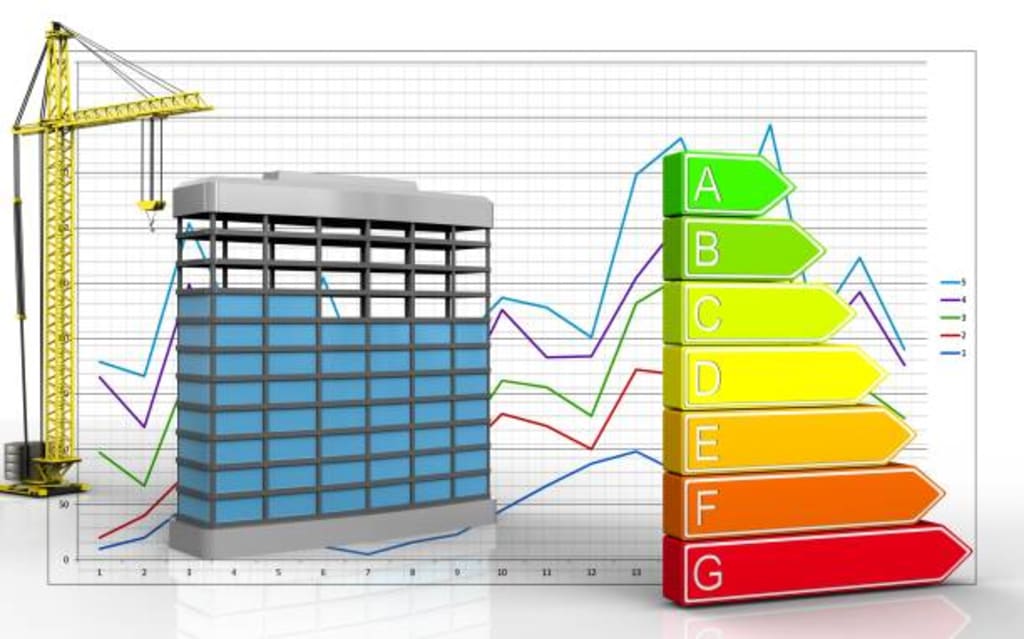
When it comes to creating a comfortable living space and reducing energy consumption, few solutions are as innovative as phase change material for cooling. This cutting-edge technology, often abbreviated as PCM, is revolutionising how we approach home insulation and temperature regulation. Whether you’re battling hot summer afternoons or seeking energy savings, understanding where to use phase change materials in your home is key to unlocking their full potential.
Understanding Phase Change Material for Cooling
Before diving into specific applications, it’s helpful to understand what makes phase change material so unique. At its core, PCM is a substance that absorbs or releases large amounts of latent heat during its phase transition—typically from solid to liquid or vice versa. When temperatures rise, phase change technology allows the material to absorb heat, thereby cooling the surrounding environment. As temperatures drop, the material releases the stored energy, offering warmth.
Unlike traditional insulation, PCMs actively regulate indoor climates by responding to ambient temperature changes. This makes them a dynamic solution for maintaining thermal comfort while reducing dependence on air conditioning or heating systems.
Ideal Locations to Use Phase Change Material in Your Home
Let’s explore the key areas in your home where phase change material for cooling can offer the greatest benefits.
Roof and Attic Spaces
Roofs are a home’s first line of defence against solar heat. Unfortunately, they’re also the most vulnerable to absorbing and transmitting heat into your living spaces. Installing phase change material within the roofing structure or attic insulation can significantly mitigate this problem.
Benefits include:
- Reducing heat ingress during the day
- Releasing stored heat at night when temperatures drop
- Enhancing the efficiency of existing insulation
In homes with converted lofts or top-floor bedrooms, this can translate to a noticeable difference in comfort without the need for additional cooling appliances.
Walls and Drywall Integration
Interior and exterior walls can also benefit from the integration of phase change material PCM. Some advanced drywall systems now include microencapsulated PCM that silently absorbs and releases heat.
Why it works:
- Walls have large surface areas exposed to sunlight or internal heat sources
- Thermal regulation at the wall level helps balance room temperatures
- Retrofitting is possible with PCM panels or inserts
Particularly in west-facing rooms that heat up during the afternoon, PCM in the walls can act as a thermal buffer.
Flooring Systems
Although unconventional, PCM integration beneath flooring—especially under tiles or laminate—can provide excellent cooling effects. Heat naturally rises, but floors still contribute to room temperature. PCM in floors can:
- Absorb radiant heat from the room
- Keep floor surfaces cool during warm periods
- Provide thermal comfort underfoot
This is particularly useful in homes with underfloor heating systems, which can be paired with PCM to manage temperature swings more efficiently.
Ceilings and False Ceiling Panels
In multi-storey homes, heat often accumulates near the ceiling. PCM in ceiling panels can help regulate this upward heat movement. Suspended or false ceilings allow for discreet installation of PCM sheets or tiles.
Advantages include:
- Even distribution of temperature across rooms
- Enhanced comfort for upper levels
- Reduction in HVAC system cycles
This method is gaining popularity in both retrofitted and new-build homes aiming for sustainable cooling solutions.
Window Treatments and Shading Systems
Windows are notorious for letting in heat during the summer. While double-glazing and films help, adding PCM to blinds, curtains, or window frames can boost their effectiveness.
What makes it effective:
- PCM absorbs solar heat before it enters the room
- Reduces glare and maintains internal temperature balance
- Ideal for large windows and conservatories
Window-based PCM solutions are typically combined with reflective coatings or thermal curtains for optimal results.
HVAC Ducts and Ventilation Systems
Incorporating PCM into HVAC ductwork might sound high-tech, but it’s a growing trend in energy-efficient building design. By lining ventilation ducts with phase change material, it’s possible to pre-cool air before it enters the living space.
This approach:
- Increases system efficiency
- Reduces energy required for mechanical cooling
- Keeps indoor air at a stable, desirable temperature
It’s especially useful in smart homes with zoned climate control.
Basement and Underground Spaces
Basements often suffer from high humidity and temperature inconsistencies. Phase change material can be installed in wall cavities, ceiling panels, or even floor insulation to regulate the underground thermal environment.
Why basements benefit:
- PCM moderates humidity swings
- Enhances the usability of basements as living spaces
- Reduces the energy needed for dehumidification and air conditioning
Thermal Storage Units or PCM Packs in Living Areas
For a less invasive solution, you can utilise PCM packs or units strategically placed in living areas. These can be integrated into furniture, shelving, or decorative panels.
How they help:
- Store excess heat during the day
- Release warmth or cool air as needed
- Offer a passive, low-maintenance solution
These portable options are ideal for renters or those wanting flexibility.
Conclusion
Integrating phase change material for cooling throughout various parts of your home is not only a step towards sustainable living but also a practical way to enhance comfort year-round. Whether you opt for ceiling tiles, wall panels, or advanced HVAC solutions, phase change material PCM adapts to your home’s thermal needs in real-time. By selecting the right locations for PCM installation, you can reduce your energy bills, lessen environmental impact, and enjoy a more consistent indoor climate.
FAQs
Can phase change material be installed in existing homes?
Yes, many PCM products are designed for retrofitting and can be added to walls, ceilings, or under flooring without major renovations.
Is phase change material safe for use in homes?
Absolutely. Most modern PCMs are non-toxic, fire-retardant, and stable over long periods.
Do I need professional installation for PCM systems?
While some PCM applications like drywall or HVAC integration may require expert help, others such as panels or window inserts can be DIY-friendly.
How long does phase change material last?
High-quality PCM products can last 20+ years with minimal performance degradation.
Does PCM work in colder climates?
Yes, PCMs can also be designed to release stored heat in colder environments, making them useful for heating and cooling.
Are there government incentives for using phase change material?
In some regions, energy-efficient upgrades like PCM may qualify for rebates or tax incentives. Check with local authorities or energy providers.
About the Creator
Therma Cool
ThermaCool provides innovative thermal management solutions using phase change materials to enhance indoor comfort and energy efficiency.
Keep reading
More stories from Therma Cool and writers in Lifehack and other communities.
10 Powerful Ways Phase Change Ceiling Tiles Improve Energy Efficiency
When it comes to modern building design and energy-saving strategies, Phase Change Ceiling Tiles are quietly revolutionising the industry. These innovative tiles harness the power of phase change materials (PCMs) to regulate indoor temperatures, reduce energy consumption, and boost sustainability—without the need for complex technology or expensive retrofits.
By Therma Cool10 months ago in Lifehack
Planning a Successful Move in Boise, Idaho: What to Look for in Professional Movers
Moving in Boise, Idaho, often feels straightforward at first glance. The city is known for its accessible neighborhoods, manageable traffic compared to larger metro areas, and steady growth. However, relocation still involves many decisions that can influence how smooth—or stressful—the experience becomes. One of the most important choices is selecting movers who are prepared, reliable, and familiar with local conditions.
By House Doctor4 days ago in Lifehack
Spirulina Benefits
In recent years, spirulina has earned a strong reputation as one of the most powerful natural superfoods available today. Used for centuries by ancient civilizations and now backed by modern scientific research, spirulina is praised for its impressive nutritional profile and wide range of health benefits. From boosting energy levels to supporting immunity and detoxification, this microscopic algae has become a favorite among health-conscious individuals worldwide.
By shakir hamid2 days ago in Lifehack



Comments
There are no comments for this story
Be the first to respond and start the conversation.