
Global Lock Standards: Top 6 Certifications Every Homeowner Should Know
Decoding the safety marks that define real-world home security

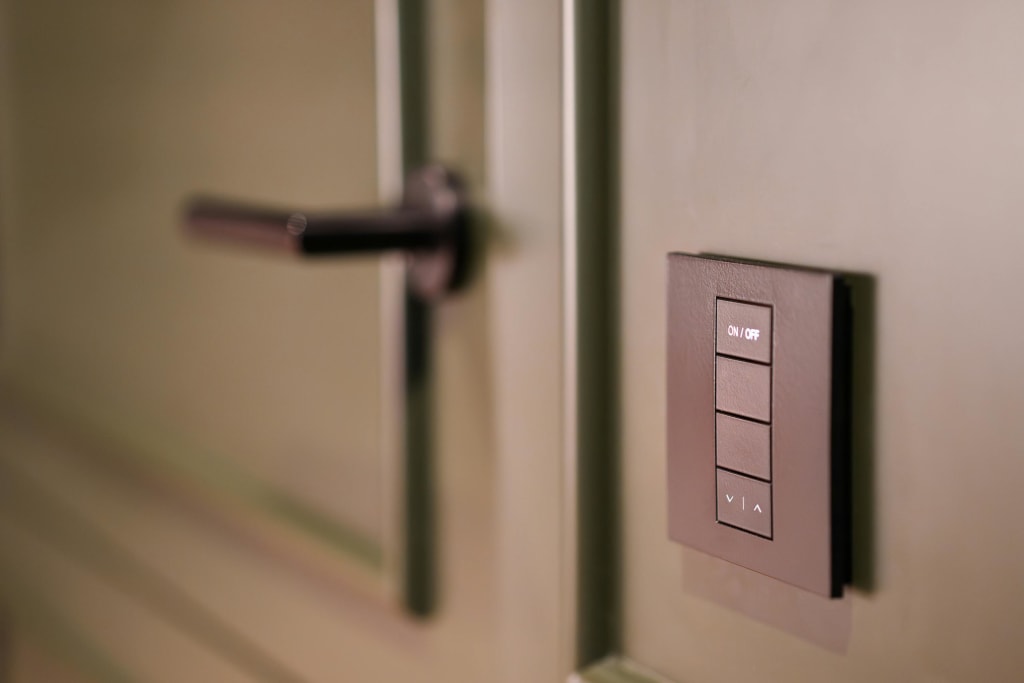
- Security certifications provide measurable peace of mind
- Different regions have different requirements
- Grading systems translate to real-world protection
- Smart lock certifications are evolving rapidly
Locks often seem durable until tested under real pressure. Some give out after heavy use or fail against impact and drilling attempts. Independent testing programs expose those weak points through rigorous evaluation, simulating years of wear and tampering.
These systems reveal which products deliver consistent reliability instead of short-term strength. The following six major programs assess durability and design. Each helps buyers confidently compare quality and longevity while balancing appearance, finish, and overall performance.
The American Standard: How ANSI/BHMA Sets the Bar for Lock Quality
Many homeowners see a lock’s faceplate and assume it performs well behind the scenes. But that’s not always true. In the U.S., a unified system measures how hardware endures repeated use, force, and abuse before failure.
ANSI and BHMA rank products as Grade 1, 2, or 3. Higher numbers indicate lighter use. Commercial applications and high-traffic residential entrances go through rigorous testing. Their benchmark is 800,000 open/close cycles and 10 strikes of 75-pound force.
Mid-level sets handle fewer cycles and impacts, while entry-level units meet minimal thresholds. Typically, builders and manufacturers voluntarily send hardware to accredited labs.
The goal? Earn certification marks that municipalities and insurers will recognize. When shopping for a keyless entry door lock or classic keyed set, that mark can guide you toward a strength that aligns with your needs.
Tested Under Pressure: Why UL 437 Means True High-Security Performance
A break-in rarely looks like what people imagine. Skilled intruders don’t kick doors. They manipulate hardware quietly and efficiently.
This certification focuses on resisting advanced attack methods that go far beyond casual tampering. Products undergo tests for drilling, picking, sawing, and pulling to evaluate true resilience.
Common professional attack methods include:
- Precision picking using specialized tools
- Drilling directly through the cylinder core
- Wrenching the plug from its housing
- Sawing structural components to weaken resistance
Passing these tests under laboratory conditions meets the UL Standards framework. Property managers and security-minded homeowners often look for this mark.
Safes, commercial doors, or any area requiring superior durability need high-level protection. It provides confidence that the hardware can resist real threats. Not just everyday wear.
Europe’s Gold Seal: What EN 1303 Certification Really Proves
Cylinder core testing reveals a lot more than what meets the eye. EN 1303 uses an eight-digit code to rate locks on factors like rust resistance, key complexity, and how many cycles they survive before wear sets in.
For instance, the “durability” digit might reflect 25,000, 50,000, or even 100,000 actuation cycles. Meanwhile, the “key-related security” digit rates how hard a lock is to duplicate or manipulate.
Some product lines combine this standard with others like the ANSI set, so they perform reliably across borders. That’s helpful when comparing units for different markets.
And since Underwriters Laboratories often factors into lock testing, spotting recognized markings helps verify claimed specs and make more informed choices during selection.
Whether you live near the coast or in a dry inland area, decoding those EN 1303 numbers can reveal how much abuse a lock can actually take.
Built for Insurance Approval: The UK’s Trusted BS 3621 Standard
Many front-door locks fail to meet the protection level insurance companies often expect. This specification changes that by setting strict mechanical and operational requirements.
A compliant model includes five levers, a 20 mm bolt projection, and hardened components that resist drilling or sawing.
To pass, it must meet the following objectives designed to reduce risk and improve consistency:
- Key operation from both sides to prevent inside-access manipulation.
- Establish a minimum bolt projection for resistance under pressure.
- Mandate attack testing to simulate real-world break-in attempts.
- A standard design to make installation and inspection easier.
Each of these factors affects both performance and policy compliance. Because the rating covers the entire lock assembly, installation quality also plays a part. Locks bearing the familiar Kitemark indicate compliance under this BS321 Locks framework.
Measuring Up: Inside the CEN Grading System Used Across Europe
Lock grading often reflects a spectrum of protective strength rather than an on/off result. The system used by the Central European Norm adopts a scale from 1 to 6. Higher numbers indicate tougher resistance to physical threats.
It evaluates attributes like how many cycles a device survives, how well it resists cutting or pulling, and its ability to withstand corrosion or temperature changes. Many locksmiths and designers link these grades with the EN system, so hardware meets multiple benchmarks at once.
For example, a Grade 3 rating might be suitable for a garden gate or shed. However, Grades 5 or 6 are reserved for commercial or high-value assets.
This standard helps you balance cost, risk, and durability without overpaying for unnecessary strength. It brings flexibility to decision-making by acknowledging that protection levels vary with use and risk tolerance.
Smarter Standards: How Digital Certifications Are Redefining Modern Locks
Today’s hardware must handle more than physical resistance. It needs to protect against digital intrusion, too. Certification programs now test encryption, software stability, and traditional build strength under one system.
Frameworks such as Z-Wave S2, Bluetooth SIG, and UL 294B verify communication security, fallback mechanisms, and tamper response.
Common evaluation criteria include:
- Encryption that prevents unauthorized access
- Reliable mechanical overrides during outages
- Alerts for tampering or forced access
- Compatibility across connected ecosystems
Each standard works toward the same goal of building trust in connected entry systems. Consumers, contractors, and property managers pay attention. These labels confirm your investment meets real-world security expectations. Smart integration needs to blend with physical resilience.
Final Thoughts
Each standard and certification reveals how dependable hardware truly is. Some focus on endurance. Others on precision. Newer ones measure digital resilience. Take note. ANSI/BHMA, UL, BS 3621, and CEN certifications appear on superior products.
These benchmarks simplify how buyers compare quality beyond appearance or finish. Thorough research and strong design deserve equal attention to beauty when considering home comforts. Invest in premium door hardware now for high security and style.
About the Creator
Tess DiNapoli
Tess DiNapoli is an artist, freelance writer, and content strategist. She has a passion for yoga and often writes about health and wellness, but also enjoys covering the fashion industry and world of fitness.
Keep reading
More stories from Tess DiNapoli and writers in Lifehack and other communities.
The Nutrient Gap No One Talks About When It Comes to Focus and Attention
Key Takeaways Taking the proper nutrients helps maintain optimal body function. The vagus nerve is a vital component in the connection between the brain and the gut. The right supplements, such as Neupril Pure Methylfolate, play a key role in helping clear brain fog.
By Tess DiNapoli14 days ago in Lifehack
The Last Train from Nowhere
At exactly 2:17 a.m., the abandoned Platform 13 was never supposed to be used. In a forgotten corner of a London underground station, behind a rusted metal gate and a faded “Out of Service” sign, there was a platform that didn’t appear on any public map. Commuters from the UK, USA, and Australia had passed through this station thousands of times, never realizing that if you stood near the far wall at precisely the right moment, the wall would… breathe.
By Iazaz hussain3 days ago in Lifehack




Comments
There are no comments for this story
Be the first to respond and start the conversation.