Latest Stories
Most recently published stories on Vocal.
New Video Emerges Showing Alex Pretti Confronting Federal Agents 11 Days Before Fatal Shooting
The Video in Question The newly surfaced video shows Alex Pretti engaging with federal agents 11 days before his fatal shooting, raising questions about the sequence of events leading to the tragedy. The footage, shared by local media outlets and circulated widely on social media, depicts Pretti in a heated confrontation, though details remain partially unclear due to the nature of the recording.
By Aarif Lashari11 days ago in Journal
Pakistan Becomes Latest Asian Country to Introduce Checks for Deadly Nipah Virus. AI-Generated.
Health authorities step up surveillance as regional concerns over virus spread grow Pakistan has become the latest Asian country to introduce health screening and monitoring measures to guard against the deadly Nipah virus. The move follows rising regional concern as neighboring countries strengthen their disease surveillance systems to prevent potential outbreaks. Health officials say the checks are precautionary but necessary. Nipah virus infections, while rare, have a high fatality rate and no specific cure, making early detection and prevention critical. What Is the Nipah Virus? Nipah virus is a zoonotic disease, meaning it can spread from animals to humans. It was first identified in the late 1990s and has since caused sporadic outbreaks in South and Southeast Asia. The virus is commonly linked to: Fruit bats, which are natural carriers Contaminated food or drink Close contact with infected individuals Symptoms can range from mild fever and headache to severe respiratory illness and brain inflammation, which can be fatal in many cases. Why Pakistan Is Taking Action Now Pakistan’s decision to introduce checks reflects growing regional awareness of the virus’s potential impact. Recent alerts from international health organizations have urged countries to remain vigilant, especially those with: Dense populations Shared borders High levels of regional travel Pakistani health authorities have emphasized that no outbreak has been confirmed in the country, but preventive measures are essential to protect public health. What the New Checks Include The newly introduced measures focus on early detection and containment. These include: Health screening at airports and border crossings Monitoring of travelers arriving from affected regions Increased hospital preparedness Awareness campaigns for healthcare workers Officials say these steps will help identify potential cases quickly and prevent local transmission. Lessons From Past Outbreaks Previous Nipah outbreaks in Asia have shown how quickly the virus can spread if not detected early. In some cases, delays in diagnosis led to: Overwhelmed healthcare systems High death rates Fear and misinformation Learning from these experiences, Pakistan aims to act before any suspected cases escalate. Public Health Preparedness Health experts stress that preparedness goes beyond screening. Hospitals and clinics across Pakistan are being advised to: Recognize early symptoms Follow strict infection control protocols Report suspected cases promptly Training sessions and updated guidelines are being shared with medical professionals to ensure a coordinated response. Regional Cooperation Matters The Nipah virus does not respect borders. Public health specialists highlight the importance of regional cooperation, including: Information sharing between countries Coordinated surveillance efforts Joint research and response planning Pakistan’s move aligns it with other Asian nations that have already increased monitoring and preparedness. Public Awareness Is Key Authorities are also urging the public to remain informed without panic. Health officials recommend: Avoiding consumption of uncovered or contaminated food Practicing good hygiene Seeking medical attention if unusual symptoms appear after travel Clear communication, experts say, helps prevent fear while encouraging responsible behavior. Challenges Ahead While the new checks are a positive step, challenges remain. These include: Limited healthcare resources in rural areas Need for consistent training across regions Managing misinformation on social media Officials acknowledge that sustained investment and public cooperation are essential for long-term success. Why Vigilance Matters Nipah virus outbreaks are rare, but their consequences can be severe. With no vaccine currently available, prevention and early response remain the strongest defenses. By introducing checks now, Pakistan aims to reduce risks and reassure the public that health authorities are taking proactive steps. Conclusion Pakistan’s decision to introduce checks for the deadly Nipah virus reflects a growing understanding of the importance of early prevention and preparedness. While no confirmed cases have been reported, the measures show a commitment to safeguarding public health amid regional concerns. As global travel and regional movement continue to increase, vigilance against emerging diseases is more important than ever. Pakistan’s proactive approach sends a clear message: when it comes to public health threats, prevention is better than reaction.
By Fiaz Ahmed 11 days ago in Longevity
The Last Message Sent at 11:59. Content Warning. AI-Generated.
At exactly 11:59 p.m., every phone in the city buzzed at the same time. No notification sound anyone recognized. No app logo. Just a single message on a black screen:“You have one minute to remember.”
By Gabriel Waltone11 days ago in Fiction
Russia Is Trying to Bomb and Freeze Ukrainians Into Submission, EU Warns. AI-Generated.
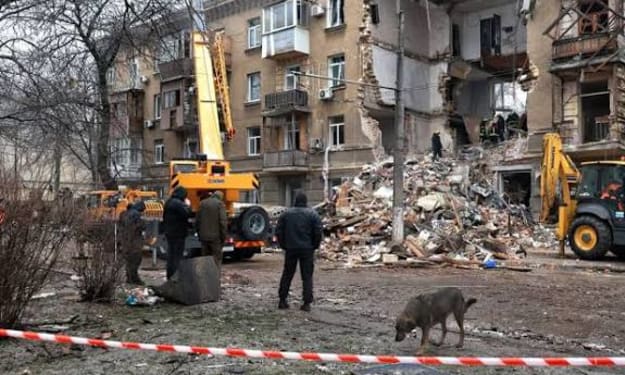
Attacks on energy infrastructure raise humanitarian and security concerns across Europe The European Union’s foreign policy chief has warned that Russia is attempting to break Ukraine’s resistance by targeting both cities and essential energy systems, leaving civilians exposed to cold, darkness, and fear. The strategy, described as an effort to “bomb and freeze” Ukrainians into submission, has renewed concerns about the humanitarian impact of the war as winter deepens. As missile and drone strikes continue to hit power plants, heating systems, and water facilities, millions of Ukrainians face daily challenges that go far beyond the battlefield. European leaders say the attacks highlight the urgent need for continued international support for Ukraine. A Strategy Beyond the Front Lines Military analysts say the focus on energy infrastructure marks a shift toward psychological and civilian pressure rather than purely military targets. By disrupting electricity and heating, Russia appears to be aiming to weaken morale and strain Ukraine’s ability to function as winter temperatures drop. Homes without heat, hospitals relying on generators, and communities facing rolling blackouts create conditions that affect every aspect of daily life. EU officials argue that such tactics are designed to exhaust the population and force political concessions. Winter as a Weapon Cold weather has become a major factor in the conflict. In many parts of Ukraine, winter temperatures fall well below freezing. Without reliable electricity and heating, families struggle to stay warm, cook food, and access clean water. Humanitarian organizations report increased risks of: Hypothermia among vulnerable groups Disrupted medical services Food supply challenges Displacement as families seek safer areas European leaders say using winter conditions as leverage raises serious ethical and legal questions under international humanitarian law. Impact on Civilians The civilian toll continues to grow. While air defense systems have intercepted many incoming attacks, enough strikes still get through to cause widespread disruption. Parents worry about keeping children warm. Elderly residents face isolation and health risks. Schools are forced to close or operate remotely. For many Ukrainians, daily survival has become as much about enduring the cold as avoiding explosions. The EU’s foreign policy chief emphasized that targeting civilian infrastructure does not weaken military forces alone—it directly harms ordinary people. Europe’s Response In response to the ongoing attacks, the European Union has: Increased humanitarian aid deliveries Supplied generators and emergency heating equipment Expanded energy infrastructure support Continued military and financial assistance to Ukraine EU officials stress that helping Ukraine restore power quickly is critical not only for comfort but for national resilience. Keeping lights on and homes heated sends a message that the country cannot be easily broken. Broader Security Concerns European leaders warn that the conflict’s effects extend beyond Ukraine’s borders. Energy instability, refugee flows, and regional security risks affect the entire continent. There is also concern that allowing attacks on civilian infrastructure to succeed could set a dangerous precedent. EU officials argue that failure to respond firmly may encourage similar tactics in future conflicts elsewhere. International Law and Accountability Human rights groups continue to document damage to civilian infrastructure, gathering evidence for potential future investigations. Attacks that deliberately target civilian populations or essential services may violate international law. The EU has repeatedly called for accountability, stating that those responsible for targeting civilians must face consequences. While legal processes take time, documentation remains a priority. Ukraine’s Resilience Despite the pressure, Ukrainian officials highlight the country’s resilience. Engineers work around the clock to repair power lines. Communities share generators. Volunteers deliver supplies to the most vulnerable. This resilience, European leaders say, is one reason the strategy of freezing civilians into submission has not achieved its intended effect. The Road Ahead As winter continues, the situation remains fragile. The EU warns that continued attacks on energy infrastructure could worsen humanitarian conditions if support slows or repairs fall behind. European leaders insist that sustained assistance is essential. They argue that helping Ukraine endure winter conditions is not just about survival, but about defending the principle that civilians should never be used as tools of war. Conclusion The EU’s warning that Russia is trying to bomb and freeze Ukrainians into submission underscores the changing nature of modern conflict. By targeting energy systems and civilian infrastructure, the war has expanded far beyond the front lines. As winter tightens its grip, the humanitarian stakes continue to rise. European leaders maintain that supporting Ukraine through this period is critical—not only for the country’s survival, but for upholding international norms that protect civilians during war.
By Fiaz Ahmed 11 days ago in The Swamp
Thursday 29 January 2026, 10:06 UK. AI-Generated.
On Thursday 29 January 2026, 10:06 GMT, the United Kingdom experienced a moment that captured attention across the nation. While the precise significance of this timestamp may seem trivial at first glance, it aligns with a broader series of events shaping the political, economic, and social landscape of the UK. In this article, we explore what was happening at that exact moment, why it matters, and the implications for citizens and policymakers alike.
By Aarif Lashari11 days ago in Journal
Catherine Joins Wellbeing Walk in the Peak District. AI-Generated.
A public moment that highlights the power of nature, recovery, and mental health Catherine’s recent wellbeing walk in the Peak District has drawn widespread attention, not just because of who she is, but because of what the moment represents. Taking part in a gentle walk through one of Britain’s most scenic national parks, Catherine highlighted the growing importance of mental health, recovery, and the healing role of nature in everyday life. The event was calm and understated, yet deeply symbolic. It showed how time outdoors, simple movement, and connection with others can support wellbeing—messages that resonate strongly with people across the UK and beyond. A Walk With a Purpose The wellbeing walk was designed to promote the benefits of physical activity and time in nature for mental and emotional health. Rather than focusing on performance or distance, the walk emphasized mindfulness, reflection, and shared experience. Catherine’s participation added visibility to the initiative, encouraging people of all ages to consider how small, manageable activities can make a meaningful difference to overall wellbeing. Her presence reinforced the idea that wellness is not about perfection, but about balance and consistency. Why the Peak District Matters The Peak District, known for its rolling hills, open landscapes, and quiet trails, provided an ideal setting for the event. As the UK’s first national park, it has long been associated with: Accessibility to nature Mental clarity and stress reduction Physical activity for all ability levels Studies have shown that spending time in green spaces can reduce anxiety, improve mood, and support long-term mental health. By choosing the Peak District, the walk highlighted how local natural spaces can be powerful tools for wellbeing. The Link Between Nature and Mental Health Mental health professionals often emphasize the value of nature-based activities. Walking outdoors offers several benefits: Gentle exercise that supports heart and joint health Reduced stress through fresh air and natural surroundings Improved focus and emotional balance Opportunities for social connection Catherine’s involvement helped bring these benefits into public conversation, encouraging people to prioritize their mental health in simple, practical ways. A Message of Balance and Recovery While the walk itself was modest, its message was significant. Catherine’s participation reflected a broader shift toward open conversations about health, recovery, and self-care. Public figures increasingly use their platforms to normalize rest, reflection, and gradual healing. By choosing a low-pressure, nature-focused event, Catherine demonstrated that wellbeing does not require dramatic gestures. Sometimes, progress comes through small steps, taken consistently and with intention. Public Response and Awareness The public response to the wellbeing walk was largely positive. Many people praised the focus on mental health and the reminder that: Wellness looks different for everyone Recovery is not linear Taking time for oneself is not a weakness Social media discussions reflected appreciation for the walk’s simplicity and authenticity. For many, it served as a reminder to slow down and reconnect with both nature and personal wellbeing. Encouraging Community Participation Beyond the symbolic value, the event also encouraged community engagement. Wellbeing walks are accessible, low-cost activities that can be organized by: Local councils Health organizations Community groups Schools and workplaces Catherine’s involvement helped raise awareness of how communities can support mental health through inclusive outdoor activities. The Role of Public Figures in Mental Health Advocacy Public figures have a unique ability to shape conversations around health. When they participate in events like wellbeing walks, they help: Reduce stigma around mental health Encourage early self-care Promote healthier lifestyle choices Catherine’s presence sent a clear message that mental health deserves attention and care, regardless of status or background. Looking Ahead The wellbeing walk in the Peak District may seem like a small moment, but its impact extends beyond a single day. It reinforces the importance of: Staying active in gentle, sustainable ways Using nature as a source of healing Supporting open dialogue about mental health As more people seek balance in a fast-paced world, events like this offer a reminder that wellbeing often begins with simple actions and mindful choices. Conclusion Catherine joining a wellbeing walk in the Peak District was more than a public appearance—it was a statement about the value of nature, movement, and mental health. The event highlighted how small, intentional activities can support recovery and emotional wellbeing. By choosing a peaceful walk in one of the UK’s most beautiful landscapes, Catherine helped amplify a message that resonates widely: taking care of mental health starts with slowing down, stepping outside, and taking one step at a time.
By Fiaz Ahmed 11 days ago in Longevity